    Brand Profile

    Nemat International is a family-owned perfumery house specializing in traditional Indian attars and contemporary fragrance oils. Headquarter…More

    United States·Site

    2

    Fragrances

    4.5

    Rating

    25
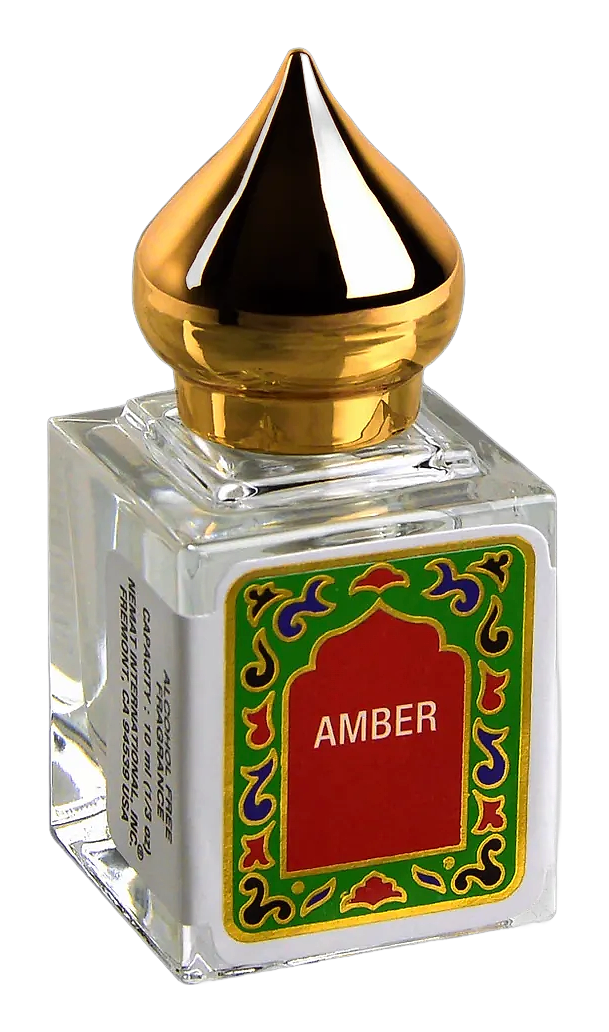
    Amber Fragrance Oil by Nemat International – Fragrance Oil
    Best Seller
    4.5

    Amber Fragrance Oil

    Fragrance Oil

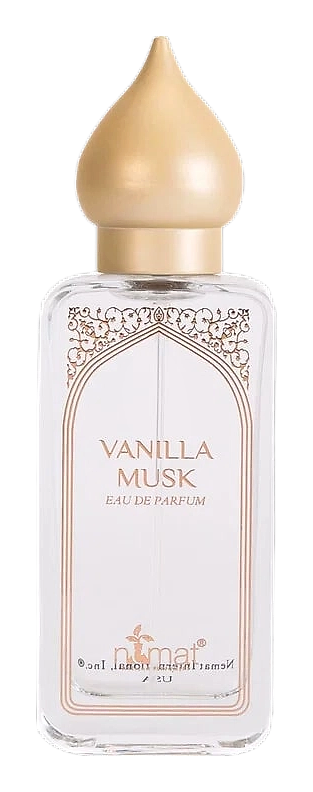
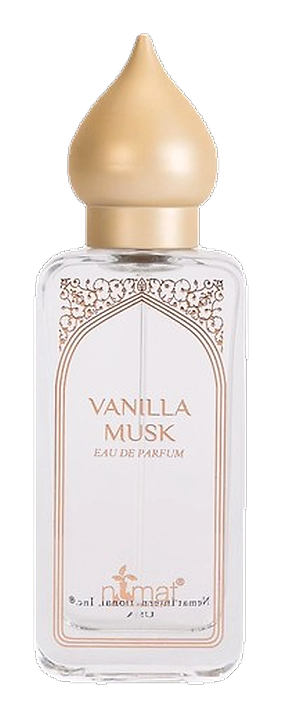
    Vanilla Musk by Nemat International – Parfum
    4.4

    Vanilla Musk

    Parfum

    Vanilla Musk Eau de Parfum by Nemat International
    Best Seller
    4.5

    Vanilla Musk Eau de Parfum

    Amber Eau de Parfum by Nemat International
    Best Seller
    4.5

    Amber Eau de Parfum

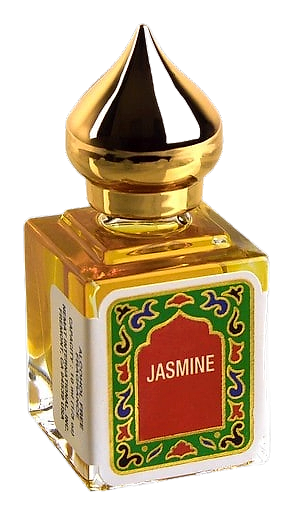
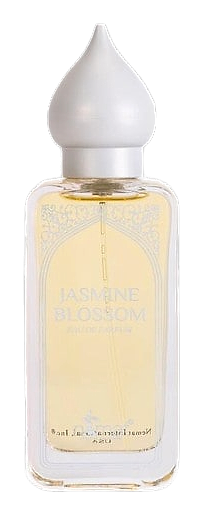
    Jasmine Blossom by Nemat International
    4.2

    Jasmine Blossom

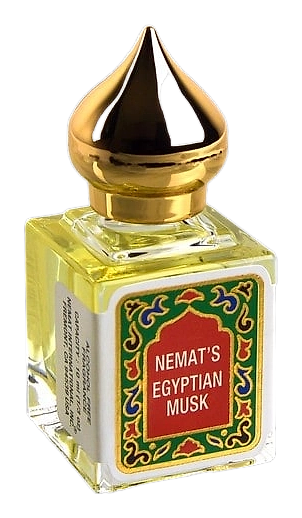
    Egyptian Musk by Nemat International
    4.2

    Egyptian Musk

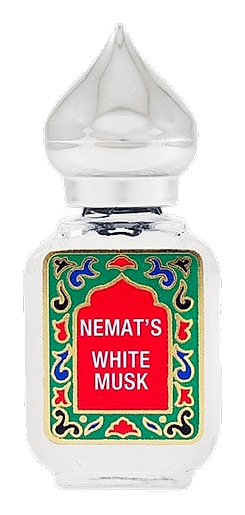
    White Musk by Nemat International
    4.2

    White Musk

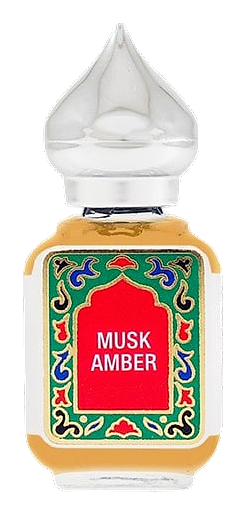
    Musk Amber by Nemat International
    4.1

    Musk Amber

    Jannatul Firdaus by Nemat International
    4.1

    Jannatul Firdaus

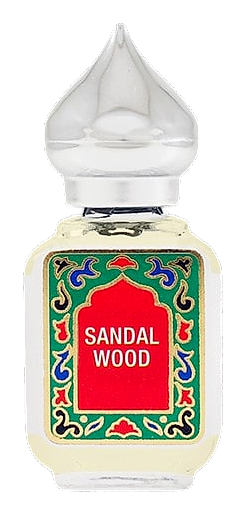
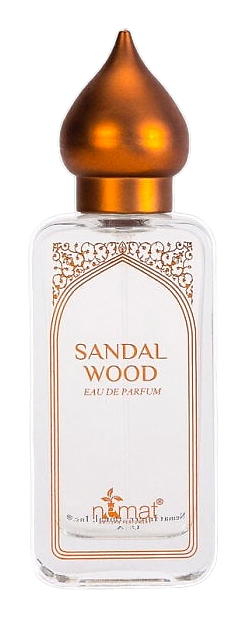
    Sandal Wood by Nemat International
    4.1

    Sandal Wood

    Arabian Wood by Nemat International
    4.1

    Arabian Wood

    Himalayan Musk by Nemat International
    4.1

    Himalayan Musk

    1 of 3

    The Heritage

    The Story of Nemat International

    Nemat International is a family-owned perfumery house specializing in traditional Indian attars and contemporary fragrance oils. Headquartered in Union City, California, the company carries forward over 160 years of fragrance expertise passed through the Attarwala family. Nemat produces an extensive range of perfume oils, attars, essential oils, absolutes, and incense products, catering to consumers seeking alcohol-free, vegan, and cruelty-free fragrance options. The brand maintains strong ties to traditional Indian perfumery methods while adapting formulations for modern preferences, with many products featuring high concentrations of aromatic compounds in carrier oils.

    Heritage

    The Nemat story begins with the Attarwala family, whose involvement in Indian perfumery reportedly spans more than 160 years across multiple generations. According to company narratives, Mr. Ismail M. Attarwala, the eldest son of Mr. Mohammadali Attarwala, established Nemat Enterprises as a formal continuation of his family's fragrance legacy. The family's perfumery roots are believed to have originated in India, with connections to the rose cultivation regions of Udaipur, where attar-making traditions have flourished for centuries. Attars, the traditional Indian aromatic oils made by distilling botanical materials into carrier oils, formed the foundation of the Attarwala family's craft. As generations refined their techniques, the family developed signature oil blends that emphasized natural, concentrated fragrance materials over synthetic compounds. The brand name Nemat reportedly derives from a Persian term suggesting divine favor or spiritual essence, reflecting the family's philosophical approach to fragrance creation. While specific founding dates for the original family perfumery remain unclear in available sources, company materials indicate that children in the Attarwala family were brought into the workshop from an early age, learning to stir and blend fragrance batches by hand. This intergenerational knowledge transfer established Nemat's commitment to preserving artisanal methods while scaling operations internationally. The transition from Indian origins to American markets resulted in a hybrid identity that honors traditional Indian perfumery while responding to contemporary Western preferences for ethical and accessible fragrances.

    Craftsmanship

    Nemat's production methods draw from traditional Indian attar-making techniques adapted for modern manufacturing requirements. The process begins with sourcing aromatic raw materials, which may include botanical extracts, essential oils, and synthetic aroma compounds combined according to established formulas. Unlike alcohol-based perfumes that use ethanol as a carrier, Nemat's fragrance oils employ neutral carrier oils to dissolve and deliver aromatic compounds, resulting in concentrated products applied directly to skin in small amounts. The absence of alcohol contributes to longevity on skin, as oil-based fragrances interact differently with the skin's natural oils compared to alcohol formulations that evaporate quickly. Nemat's product range encompasses single-note oils like pure Jasmine Blossom and complex blends that layer multiple aromatic materials, with musk variants representing a significant portion of the catalog. The company produces both traditional attars following classical Indian methods and contemporary fragrance oils that may incorporate modern aromatic molecules alongside natural materials. Quality considerations include fragrance concentration levels, with oils typically offering higher perfume content than diluted alcohol-based alternatives. The production environment in California adheres to regulatory standards for cosmetic manufacturing while maintaining processes that honor the hands-on character of traditional perfumery. Batch preparation reportedly involves careful measurement and blending, with quality checks throughout the production cycle to ensure consistency across different production runs of the same fragrance formula.

    Design Language

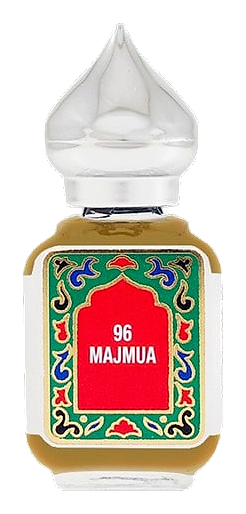
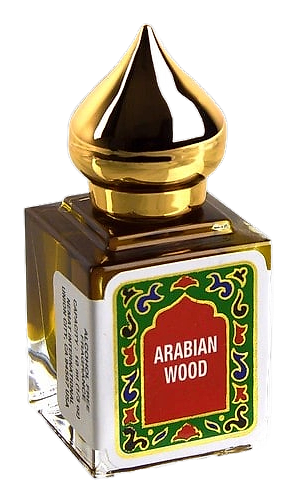
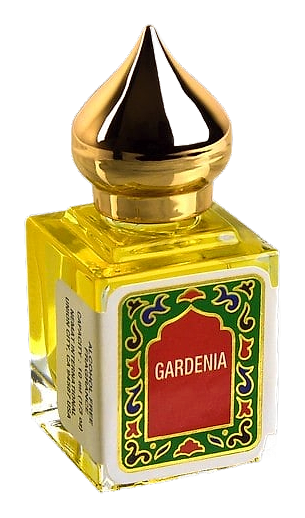
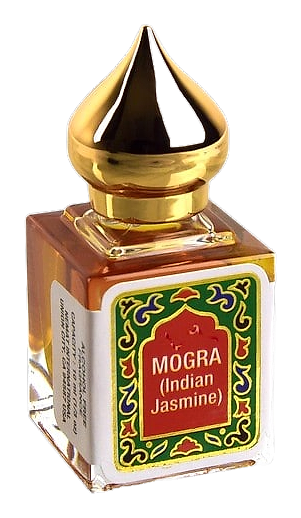
    Nemat's visual identity presents a clean, straightforward approach to packaging and branding that prioritizes clarity over elaborate design statements. Product presentation typically features simple rectangular bottles with minimal labeling, using clear glass or plastic containers that allow customers to observe the oil's color and consistency. The brand's color palette often employs warm amber and gold tones that reference traditional perfume imagery, with packaging text kept to essential information including product name, volume, and key ingredient highlights. Logo design uses elegant serif typography that suggests heritage without invoking specific cultural symbols, allowing the brand to appeal across diverse consumer demographics. The overall aesthetic communicates straightforward value propositions centered on product quality and ethical formulation rather than luxury positioning or status signaling. For retail environments, Nemat products often display in organized wall-mounted or countertop configurations that facilitate browsing and comparison, with consistent packaging dimensions enabling tidy retail presentations. The brand's social media presence, particularly on Instagram, features product photography with clean backgrounds and lifestyle imagery that emphasizes personal fragrance enjoyment over aspirational contexts. This visual restraint distinguishes Nemat from brands that treat packaging as a primary carrier of brand meaning, instead allowing the fragrance oils themselves to represent the core product experience.

    Philosophy

    Nemat's approach to fragrance creation centers on accessibility and tradition, positioning oil-based perfumes as an inviting entry point for those new to fragrance wearing or seeking alternatives to alcohol-based compositions. The brand philosophy emphasizes simplicity in ingredient selection, focusing on recognizable aromatic profiles like musk, amber, jasmine, and rose that have defined Indian perfumery for generations. Rather than pursuing novelty for its own sake, Nemat prioritizes consistency and familiarity, allowing customers to build long-term relationships with specific scent profiles. The company frames its offerings as extensions of everyday identity rather than luxury occasions, aligning with the practical orientation of traditional attar usage in South Asian cultures. Nemat's ethical commitments, including vegan formulations, cruelty-free testing, and paraben avoidance, reflect contemporary consumer expectations while remaining consistent with historical attar-making practices that relied on plant-derived materials. The brand maintains that fragrance should function as a personal signature rather than an imposing presence, which explains the oil-based concentration that delivers intimacy rather than projection. This philosophy extends to product development, where the company revisits and reissues classic formulas across decades rather than continuously launching new compositions, suggesting a belief that enduring scents hold inherent value beyond market trends.

    Key Milestones

    Approximately 1850s

    The Attarwala family reportedly establishes its first perfumery workshop in India, beginning generations of fragrance-making traditions that would eventually formalize as Nemat.

    1991

    Nemat launches multiple foundational fragrance oils including Vanilla Musk, Amber, Egyptian Musk, White Musk, Musk Amber, Jannatul Firdaus, and Arabian Wood, establishing the brand's signature catalog.

    2012

    The company introduces Jasmine Blossom fragrance oil, expanding its floral offerings beyond the musk-dominant early catalog.

    2019

    Nemat releases Eau de Parfum concentrations for Vanilla Musk and Amber, marking an expansion into traditional alcohol-based perfume formats alongside its core oil-based products.

    At a Glance

    Brand profile snapshot

    Origin

    United States

    Collection

    2

    Fragrances released

    Avg Rating

    4.5

    Community sentiment

    Release Rhythm

    2019
    3
    2012
    1
    1991
    20
    nematperfumes.com

    Did You Know?

    Interesting Facts

    Distinctive details and defining moments that shape the house personality.

    01

    Nemat's entire fragrance lineup consists of oil-based formulations rather than alcohol-based perfumes, a rarity among mainstream fragrance brands in Western markets.

    02

    The company's origins trace to the rose cultivation regions of Udaipur, a city in Rajasthan, India, historically known for its attar distillation traditions and rose oil production.

    03

    All Nemat products are certified vegan and cruelty-free, with the brand explicitly stating the absence of animal-derived ingredients and mandatory finished-product testing requirements.

    04

    Unlike most perfume houses that guard perfumer identities as creative assets, Nemat does not publicly identify individual perfumers associated with its formulations.