Ismail Mohammadali Attarwala
Ismail Mohammadali Attarwala carries the weight of 160 years of familial expertise in every formulation he creates. As the eldest son of Mohammadali Hiptullaji Attarwala, he inherited not just a surname but a calling. The family name itself tells the story: Attarwala translates to 'possessors of perfumes,' a title earned through generations of dedication to the art and science of attar-making in India. Ismail spent 18 years refining his foundational fragrance, treating those years as an apprenticeship to his own legacy. That patience defined his approach. He founded Nemat Enterprises, building it into a significant presence in perfume oils and traditional attars. Today, as founder and CEO of Nemat Inc., he bridges centuries-old Indian perfumery traditions with contemporary accessibility, rooted in the heritage city of Udaipur where his family first established their craft.
The hits
Notable creations
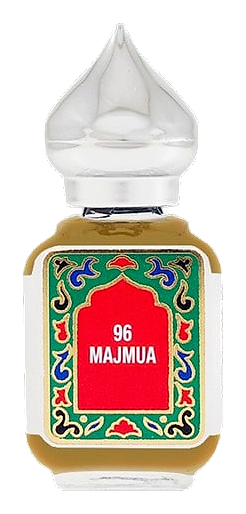
The signature
How Ismail composes
Ismail's work centers on attars and perfume oils, traditional Indian forms that rely on natural, often precious botanical materials. His signature lies in honoring the depth and complexity that slow, careful production allows. Rather than pursuing novelty, he returns to the fundamentals his family perfected over generations: the extraction of fragrance through methods that capture the full essence of ingredients. His style favors authenticity and continuity, with formulations that reflect the family's long study of how scent behaves when allowed to develop naturally, without shortcuts.
Philosophy
What drives Ismail
For Ismail, perfumery is inheritance made tangible. He approaches creation as a steward rather than an inventor, understanding that his role is to honor what his family built while making it relevant to new generations. The patience required to spend nearly two decades on a single foundational work reveals his belief that true fragrance cannot be rushed. His driving force stems from a commitment to preserving traditional attar-making while demonstrating its enduring relevance. He does not chase trends; he draws from a well of knowledge that predates modern synthetic perfumery entirely.
The houses