The Story
Why it exists.
The beginning
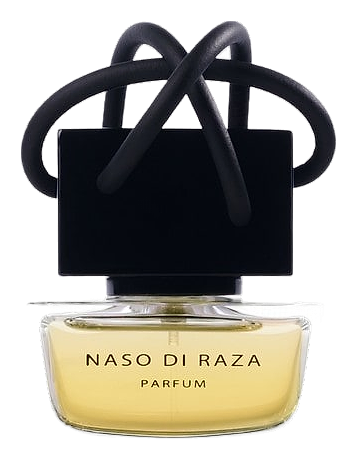
Aqua Maris takes its name from the Latin for sea water, not a poetic metaphor, a declaration. Naso di Raza launched the fragrance in 2015, at the height of the aquatic trend, but the composition refuses the genre's typical shortcuts. Where most aquatics lean on salt and ozone as a background effect, Aqua Maris treats marine notes as the primary material. Seawater, not the idea of it.
The Italian melon anchors the composition in something genuine and unexpected, sweet in a way that grounds the mineral sharpness. Lily-of-the-valley and white florals add structure typically absent from aquatic fragrances, which tend to open bright and dissipate quickly. The ambergris and metallic notes create a base that extends the wear, a mineral warmth that lifts rather than fades. It's a marine built for attention, not ambient presence.
The evolution
The opening arrives cold and bright, seawater and Italian melon interlaced, metallic threads catching light like sun on wet stone. Within minutes, the lily-of-the-valley surfaces, its green-floral character tempering the mineral sharpness. The melon deepens as the marine fades, becoming riper, almost honeyed. The white musk and amber arrive as the top notes recede, softening the structure into something wearable. The drydown is where Aqua Maris earns its name: ambergris and salt-tinged skin, the warmth of a body that just left the water. It stays close, intimate, the kind of sillage that someone standing near you will notice before someone across the room.
Cultural impact
Niche Italian aquatics occupied a specific space in 2015, appreciated by collectors who valued novelty over mass appeal. Aqua Maris landed in that pocket. The marine-metallic combination distinguished it from the citrus-aquatic mainstream of the era. Its reception has remained divided, which suits the fragrance: it was never designed to please everyone.