
Heritage
A house, in its own words
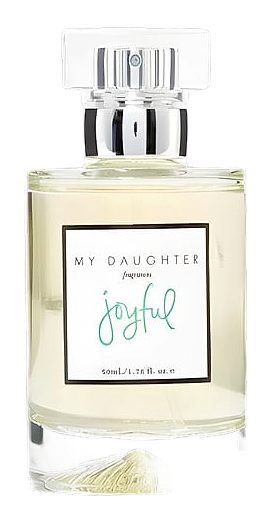
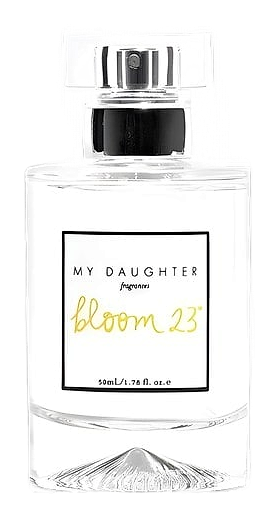
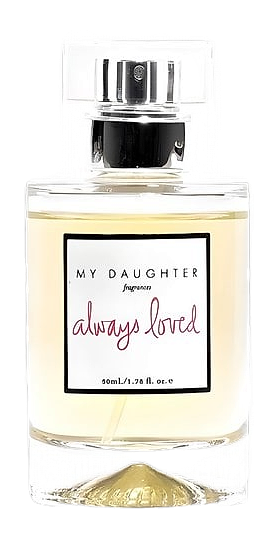
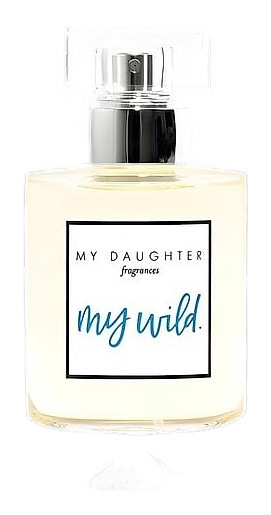
My Daughter Fragrances grew from a personal gesture. Founder Janey Ganson created a scent for her daughter, Anna, and the name that followed made the project about more than a private formula. According to the brand’s own account, the fragrance began as “Child,” a scent Ganson made for herself before sharing it with others. The story identifies Anna as the inspiration for the company name, a choice that places family at the center of the house’s identity. After developing a following, Ganson established the brand’s head office in a building known as the “Perfume Barn” in Alberta, Canada. The early catalogue developed quickly, with Joyful and My Wild appearing in 2017, followed by Always Loved, Bloom 23, and Mandarin and Frankincense in 2018. This early sequence shows a house interested in varied scent moods, from bright citrus and woods to floral and aromatic compositions. The broader history of perfumery provides a useful cultural backdrop, although it is separate from the brand’s own story. The Fragrance Foundation, founded in 1949, has documented milestones in the history of perfumery, while Fragrance Foundation UK has hosted events centered on fragrance history and the craft of scent-making. My Daughter Fragrances belongs to a contemporary Canadian niche scene shaped by independent formulas, personal storytelling, and direct relationships with fragrance enthusiasts. My Daughter Fragrances treats fragrance as a record of people, relationships, and meaningful moments. The company name reflects Janey Ganson’s bond with her daughter, Anna, and the brand’s social presence describes its work as celebrating life’s moments through connection and botanical influence. This philosophy gives its fragrances an intimate frame. Names such as Joyful, Always Loved, and My Wild invite an emotional reading before they describe a formal olfactive structure, while Bloom 23 and Mandarin and Frankincense point more directly toward flowers, citrus, resin, and woods. The house does not present perfumery as a purely abstract artistic discipline. Its scents are imagined as things one can remember, offer, or associate with a particular chapter of family life. That emphasis also extends into fragrance oils, which create another way for customers to experience and share the compositions. Botanical language is central to the brand’s expression, but the supplied research does not identify specific growers, ingredient farms, extraction methods, or formulation standards. Any narrower claims about sourcing and production would therefore require direct confirmation. What is clear is the brand’s point of view: fragrance can hold the feeling of a bond, and a personal creation can become a distinct collection built around memory, affection, and connection.