
The Story
Why it exists.
The beginning
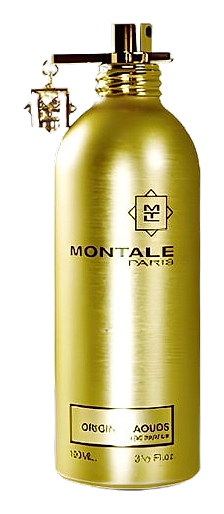
Original Aoud arrived in 2007 as Pierre Montale's definitive statement on agarwood. After years crafting bespoke scents for Saudi royalty, he returned to Paris with an intimate knowledge of oud that few Western noses possessed. This fragrance was his translation, taking the material he knew intimately and presenting it to a Western audience just beginning to understand its power. Not a reinterpretation. Not a compromise. The original.
Three notes. Oud, woods, tobacco. No flourishes, no softening agents, no safe choices. The structure is almost confrontational in its simplicity, an opening that's all resinous dark wood, a heart that refuses to fade quietly, and a base that lingers like smoke in a closed room. This is oud stripped of artifice. What makes it work is the tobacco, it doesn't sweeten the oud, it smoke-marks it, keeping everything grounded in that ashy, dry register that Montale would become famous for.
The evolution
The opening hits hard. Oud, smoke, a sharp spiciness that grabs attention immediately. This phase is loud, almost aggressive in its honesty. Within minutes, the woody notes settle and the tobacco reveals itself, dry, warm, like the air in a room where someone has just stubbed out a cigarette. The heart carries for hours. Long hours. The drydown is when the oud truly shines, darker, deeper, the resinous quality finally allowed to breathe without competition. On the next day, there's still something there. Dark wood. Memory.
Cultural impact
Original Aoud helped define Western perception of oud when it launched in 2007. At a time when Middle Eastern perfumery was still relatively unknown to many European and American consumers, this fragrance served as an introduction to the material's power and complexity. It's been cited as a gateway scent for oud enthusiasts who later sought deeper, more complex expressions.