The Story
Why it exists.
The beginning
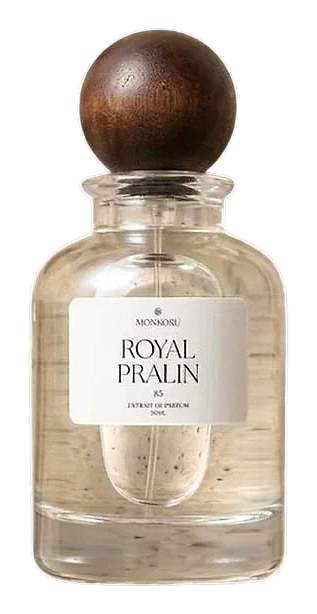
Royal Pralin arrived in 2026 as part of Monkoku's expanding collection, a house that prefers its fragrances quiet and its revelations slow. The composition opens with a confident sweetness that reads as indulgence from the first spray, yet it never crosses into the territory of heavy gourmand territory where everything turns syrupy and obvious. What separates it from the usual dessert-coded releases is the restraint baked into the formula. The vanilla arrives clean and architectural, more like fresh cream than candy, and the orange blossom introduces just enough bitter-floral tension to keep the sweetness honest. Myrrh and sandalwood anchor the base with a resinous calm that pulls the whole composition toward something meditative rather than purely indulgent.
What makes Royal Pralin structurally interesting is where the vanilla sits within the formula. It takes the top note position, which means the sweetness arrives unaccompanied, clean, almost architectural in its directness. Orange blossom then enters the heart to introduce a bitter-floral edge that prevents the vanilla from reading as pure confection, lending instead a subtle soapy brightness that feels more apothecary than bakery.
The evolution
The first thirty minutes belong entirely to vanilla, but this is not the loud, synthetic sweetness that has given the note a bad reputation in mainstream releases. Royal Pralin's vanilla reads as whipped, almost cool, like the inside of a tin of high-grade pods. Orange blossom arrives slowly over the next hour, introducing a soft, soapy brightness that some wearers describe as herbal rather than floral, a quality that keeps the opening from collapsing into pure sugar. The transition into the heart phase is gentle. Nothing snaps. Instead, the creaminess folds into itself as myrrh begins to surface, bringing a resinous warmth that recalls church incense without the smoke, a dry and meditative quality that softens the sweetness without burying it.
Cultural impact
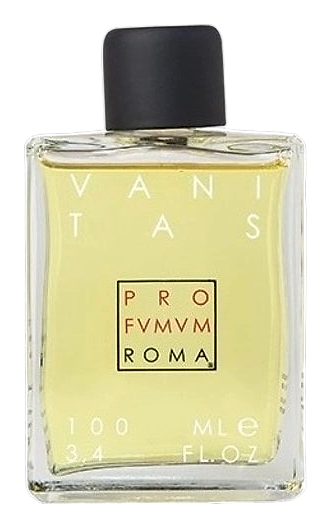
Royal Pralin finds its place within Monkoku's growing catalogue, a collection that explores the territory between gourmand warmth and resinous depth. The fragrance has drawn some comparison to Profumum Roma's Vanitas among wearers familiar with both, given the shared creamy-sweet architecture that defines their respective compositions. Its reception has been strongest among those who appreciate the interplay between edible sweetness and more meditative base notes, particularly the way myrrh and sandalwood ground what could otherwise read as a straightforward gourmand.