
Heritage
A house, in its own words
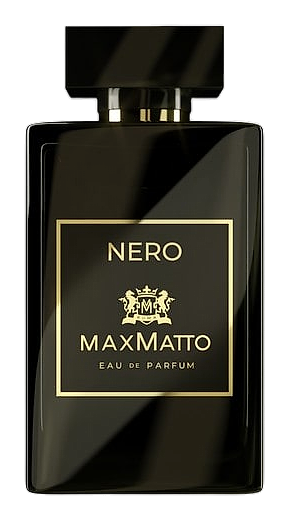
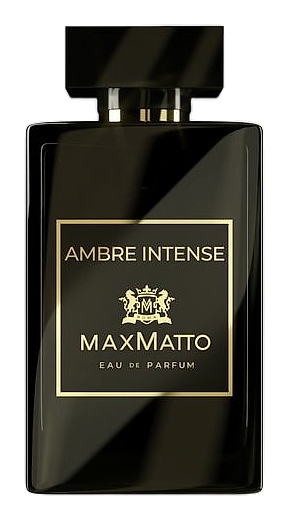
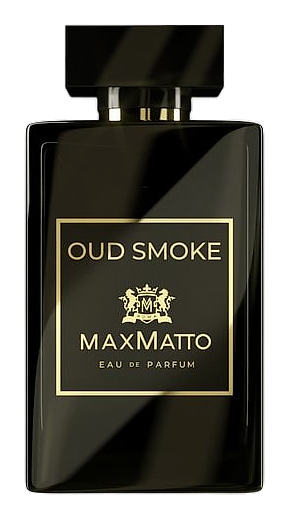
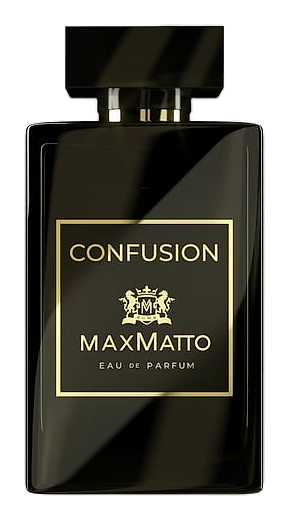
MaxMatto was founded in 2020 by Max Di Nardo, also referenced in some retail listings as Massimo Di Nardo, an Italian creative with a personal passion for fragrance. Born out of a desire to translate olfactory sensibility into a tangible artistic practice, the house began as an independent project rooted in Italy's longstanding perfume culture, a country where artisanal scent-making has long sat alongside fashion, leatherwork, and design as part of a broader craft heritage. Unlike historic Italian houses such as Acqua di Parma or Santa Maria Novella, which trace their origins back generations, MaxMatto represents a new wave of independent Italian perfumery built on direct-to-consumer distribution and niche retail partnerships rather than legacy infrastructure. Within its founding year, Di Nardo assembled a debut portfolio of five fragrances, each built on a distinct raw material narrative. The house operates from Rome, and its presence has expanded through international stockists, bringing MaxMatto into conversations about contemporary Italian niche perfumery alongside both established and emerging labels. At its core, MaxMatto is a creator-led house, where the founder's individual sensibility drives every creative decision. Di Nardo has spoken about fragrance as a means of inspiration, a way to channel emotion and atmosphere into something others can wear and inhabit. The brand's approach is rooted in storytelling through scent, with each composition designed to evoke a specific mood or scene rather than to follow mainstream commercial trends. This emphasis on personal expression over market positioning defines the house's creative ethos. The compact nature of the debut lineup, just five fragrances, suggests a deliberate commitment to focus and curation rather than volume. MaxMatto's philosophy privileges intensity and character, favoring compositions that make a statement through materials like smoky oud, dense amber, and deep rose rather than subtle or crowd-pleasing formulas. The house exists as an extension of its founder's artistic identity, treating perfume less as a commercial product and more as a wearable form of personal communication.