
The Story
Why it exists.
The beginning
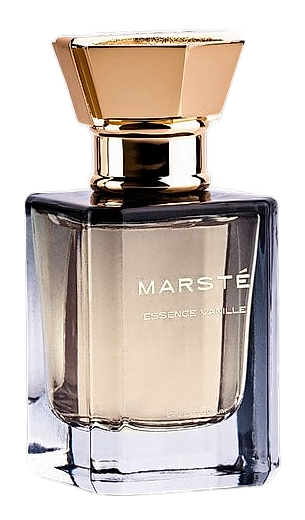
Michael Nordstrand built Essence Vanille around a single, stubborn idea: vanilla deserves better than sweetness as its only argument. The constraint was clear: make a vanilla that could stand beside food, beside other people, without disappearing or overwhelming. Nordstrand reached for a vanilla extract, then asked what could make that richness feel alive rather than settled. The answer was key lime: bright, tart, the kind of citrus that cuts rather than floats. Coriander followed to bridge the gap, a woody, slightly peppery anchor that keeps the composition from tilting toward dessert entirely. The result exists in the space between a garnish and a main course: aromatic, citrus-forward, warm without being sweet.
What makes this combination work is the timing. Key lime arrives first and announces itself with the kind of clarity that reads almost astringent, not unpleasant, just immediate. Then vanilla steps in, but it's not the vanillin-and-sugar version that fills cheap candles. This is the extract kind: rich, with an undertone that most people don't associate with vanilla until they smell it. Coriander does the quiet work, creating a bridge that makes the handoff from citrus to vanilla feel inevitable rather than abrupt. The three materials don't compete; they negotiate.
The evolution
The opening salvo is all citrus. Key lime arrives sharp and almost aggressive, the kind of tartness that can feel like a slap if you're not expecting it. Within five minutes, though, the coriander peeks through, green, slightly peppery, doing the invisible work of softening the lime's edges. Then the vanilla enters. Not all at once. It builds slowly, starting as a warmth rather than a note, spreading across the skin like afternoon light through a window. By the 30-minute mark, the lime has receded to a memory, and the composition reads as warm, powdery, with the coriander still humming underneath. This is where it lives for the next several hours: a vanilla that smells like itself, not like frosting. The drydown is quieter still, powder, wood, a faint echo of citrus that refuses to completely disappear.
Cultural impact
Vanilla has anchored perfumery for centuries, from early medicinal uses to the gourmand explosion that made warm, edible fragrances mainstream. Today, consumers look for something different from vanilla: bold citrus openings that cut through sweetness, followed by clean vanilla backbones that feel modern rather than old-fashioned. Essence Vanille enters this landscape with its key lime and coriander combination, offering a fresh take on a classic note. The fragrance appeals to those who want their vanilla to feel alive and dynamic, not static and predictable.
The House
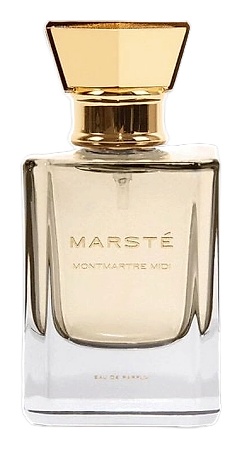
MarstéHouse of Marsté entered the fragrance scene in 2024, offering a concise portfolio that feels like a private collection rather than a mass‑market line. Founded by Marlena Stell, the former owner of MakeupGeek Cosmetics, the house presents scents that echo Parisian streets, garden promenades and quiet evenings. Each bottle arrives with a story, inviting the wearer to explore a moment of quiet indulgence without the noise of typical launch hype.
The Creator
Michael NordstrandNordstrand builds his scents in layers, starting with a precise opening that frames the composition before unfolding into a complex heart and a lingering base. He favors bright citrus sparks, rich resins such as labdanum, and nuanced woods like sandalwood and oud.