The Story
Why it exists.
The beginning
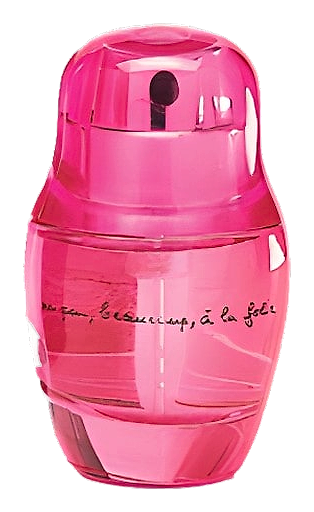
Some fragrances name themselves after places. Others, after moods. Un Peu, Beaucoup, A La Folie... borrows its title from the French children's rhyme about degrees of love: a little, a lot, passionately. The title does the heavy lifting that most fragrance names avoid. It tells you the emotional scale before you've smelled a thing. What follows is a floral built around that confession: rose at the center, litchi for the sweetness, vanilla and sandalwood underneath to keep it from floating away. A scent that says it out loud, then blushes. The rhyme, for anyone who forgot, counts down the petals one by one. Each falling flower marks a deepening of feeling, from casual affection to something closer to vertigo.
Litchi brings something juicier and slightly more exotic, a note that recalls travel without naming a destination. Cassia, related to cinnamon, gives the heart a quiet spiced edge that keeps the litchi from reading as candy. Meanwhile, bergamot at the top does what bergamot always does: it lifts everything. The structure is deliberate. Floral, yes. But not naive about it. The fruit and spice combination creates a tension that makes the rose feel less predictable. Without cassia, the litchi might collapse into syrupy sweetness, a dessert course masquerading as perfume.
The evolution
The name, drawn from the childhood rhyme about picking petals, set the tone from the first release: a fragrance built on small, deliberate choices rather than scale. The heart features a rose-led composition cushioned by peony, freesia, and musk. The brief was modest, the materials considered, and the wear personal. Over the years it has remained one of the house's quiet fixtures, holding its place through steady devotion rather than any marketing push. The peony lends a soft, rounded quality to the rose, smoothing any sharp petal edges and giving the heart a pillowy generosity. Freesia cuts in with its cool green stems, a vegetal brightness that prevents the floral accord from going too dense. Musk arrives at the base like a whispered afterthought, warming the composition from underneath and lending it that second-skin quality, close to the body rather than projecting outward.
Cultural impact
Worn by people who want their scent to feel like a private conversation rather than a public statement. The rose-and-litchi pairing gives the fragrance a particular kind of intimacy, the kind that doesn't need to fill a room to register. There's a powdery, restrained quality to the drydown that rewards the wearer more than anyone standing nearby. The litchi in the opening reads almost conversational, a burst of sweetness that fades before it can become theatrical, leaving the rose to carry the weight of the composition.