
The Story
Why it exists.
The beginning
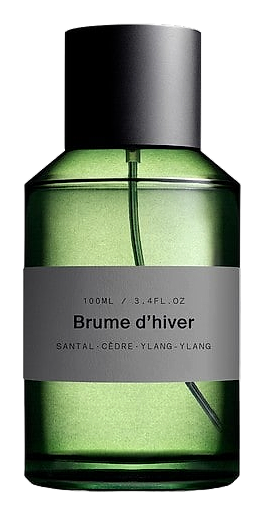
Brume d'Hiver translates, simply, to winter mist. Not the dramatic kind, the quiet kind. The kind that hangs low over a forest in January, softening everything without asking for attention. Marie Jeanne built this as a hair and body mist, a 6% concentration of natural essential oils designed to live close to the skin. The perfumer Sidonie Lancesseur worked with the contrast that makes winter interesting: the sharpness of cold air against the warmth of wood. Cedar, patchouli, sandalwood. Four notes. A restrained palette that trusts itself.
The pyramid reads the same at the top as it does in the heart, American cedar, Indonesian patchouli, New Caledonian sandalwood, Comorian ylang-ylang. That symmetry isn't laziness. It means Lancesseur was building toward a single, consistent idea rather than a story arc. The ylang-ylang is the tell. It's what separates this from any other cedar-patchouli composition, a buttered, sultry warmth that doesn't sweeten the woods but softens them from the inside. Reviewers confirm: you won't pick it out as a separate note. It works in the background, giving the whole structure its cream.
The evolution
First spray: pencil shavings. Sharp, mineral, clean. Cedar announcing itself without apology. The alcohol clears within a few minutes and what emerges is the green, not sharp herbal green but the damp earthiness of soil after rain, that buttered woodland quality reviewers keep returning to. The ylang-ylang is doing its work here, adding a smooth, flirty warmth that keeps the cedar from reading as austere. It doesn't evolve so much as settle. The drydown is sandalwood and cedar together, intimate and skin-close, lasting a full workday on most skin types. The next morning? A faint warmth on the collar. Nothing loud. Just there.
Cultural impact
Marie Jeanne occupies a particular space in contemporary niche perfumery, the house that doesn't compete for attention. Brume d'Hiver fits that positioning precisely. Since its 2022 launch, it has found its audience among wearers who prefer their fragrances to live close to the skin rather than announce themselves across a room. The reception has been consistent: admired for its elegance, appreciated for its restraint. Not a statement fragrance. A preference fragrance. The kind of scent that earns devotion from the people who find it rather than the ones who hear about it first.