The Story
Why it exists.
The beginning
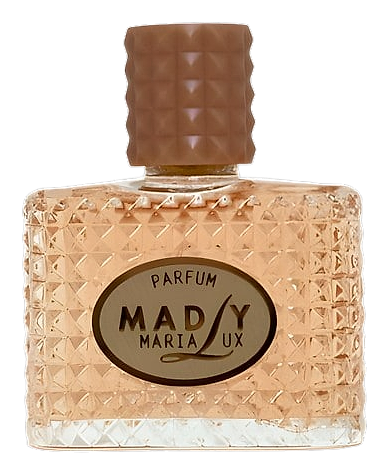
Madly exists because some emotions resist being expressed any other way. In 2012, Alessandro Gualtieri and Lilian Driessen launched MariaLux with three fragrances mapped to states of being, Truly, Madly, Deeply. Madly was positioned as the one for hidden love, for desire that couldn't quite be spoken aloud. Gualtieri chose tuberose as the emotional vehicle: a flower already notorious for its headiness, its almost aggressive sweetness. But the brief wasn't sweetness. It was sensuality with teeth.
What makes Madly structurally unusual is how Gualtieri refuses to separate the floral from the resinous. Where most compositions layer white florals cleanly over a base, Madly lets the resin and tuberose exist in tension from the start. The woody notes aren't a foundation, they're an equal partner. And that ambrette-like skin musk threaded through the drydown isn't hidden as a surprise, it's the whole point. A scent that moves from public beauty to private intimacy without ever changing clothes.
The evolution
The opening hits immediately: tuberose in its most unvarnished form. Not green, not creamy, just the white floral intensity, almost medicinal in its clarity, fused with a resinous warmth that keeps it from being merely sweet. This phase doesn't whisper. For the first thirty minutes, Madly announces itself. Then the handoff. The tuberose doesn't disappear, it softens, darkens, becomes less flower and more warmth. The woody notes rise to meet it. The powdery quality that collectors reviewers note as "old school" emerges here, but it's not dusty in a dated way. It's warm. Intimate. The kind of powder that belongs to skin, not to vintage bathroom shelves. The drydown is where Gualtieri's intent becomes clear. That ambrette-like musk note surfaces, skin-close, slightly animalic, dry. The resin lingers.
Cultural impact
Madly arrived as part of a three-fragrance debut from MariaLux, alongside Truly and Deeply, functioning as a triptych of emotional states. Madly occupies the most ambiguous territory of the three: desire not yet spoken. Gualtieri's approach to white florals here rejects convention, presenting tuberose with an unapologetic intensity that refuses to soften into mere prettiness. The composition channels something raw and immediate, the kind of scent that captures a moment before it gets named.