The Story
Why it exists.
The beginning
Splash Gardenia landed in 2008, the same year the Marc Jacobs fragrance machine was picking up speed. The brand had just launched Daisy in 2007, a fragrance that would go on to become one of the defining hits of the decade. But Splash Gardenia took a different path. Instead of playful irreverence, it pursued something quieter. Perfumer Jean-Claude Delville worked with a deceptively simple brief: take gardenia, that most heady of white florals, and pull it back to something translucent. The result was a limited release that never got the Daisy treatment of flankers and extensions. It came, it quietly charmed, and then it was gone.
What makes Splash Gardenia's structure interesting is what it leaves out. Gardenia is one of the most assertive materials in perfumery, known for its indolic intensity, its creamy narcotic presence. Delville used gardenia but subtracted the usual density. Instead, green notes carry equal weight, giving the composition an aquatic quality that feels less like a bouquet and more like the air after rain. The musk base is clean, almost transparent, keeping everything close to skin. Three materials. That's it. Sparse by design. The tension isn't between notes but within gardenia itself: how much of it can you use before it stops being gardenia and starts being something else?
The evolution
The opening hits green and dewy. Not the sharp cut of freshly mown grass, but the softer green of stems just below a water line, where moisture keeps everything supple. There's an aquatic quality here, almost like the scent of a gardenia floating in a shallow bowl. Gardenia appears in the heart but holds back, never fully blooming, its creamy character tempered by the green accord that surrounds it. The transition to drydown takes about an hour, and this is where the fragrance earns its keep. The musk base doesn't arrive so much as settle, bringing a clean, skin-close warmth that feels intimate rather than projecting. Enthusiasts appreciate that it never overwhelms, staying close and personal throughout its wear. By the end, what lingers is the ghost of white petals and the faintest trace of something aquatic, like wet stone in a garden at dawn.
Cultural impact
Splash Gardenia never got the Daisy treatment. No flankers, no limited editions, no celebrity campaigns. It was a single 2008 release that quietly disappeared from counters. What remains is a small cult of wearers who remember it as one of the more restrained white floral fragrances of its era. In the context of Marc Jacobs' broader portfolio, it stands apart: no playful branding, no oversized cap, just the scent itself.
The House
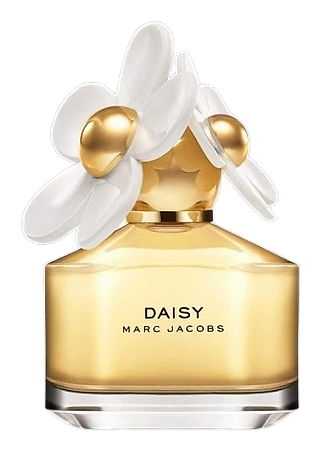
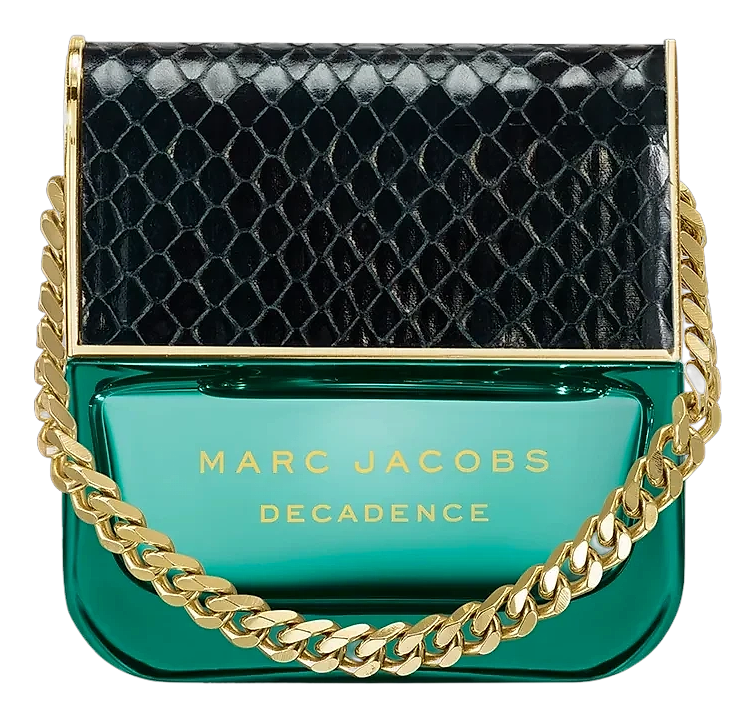
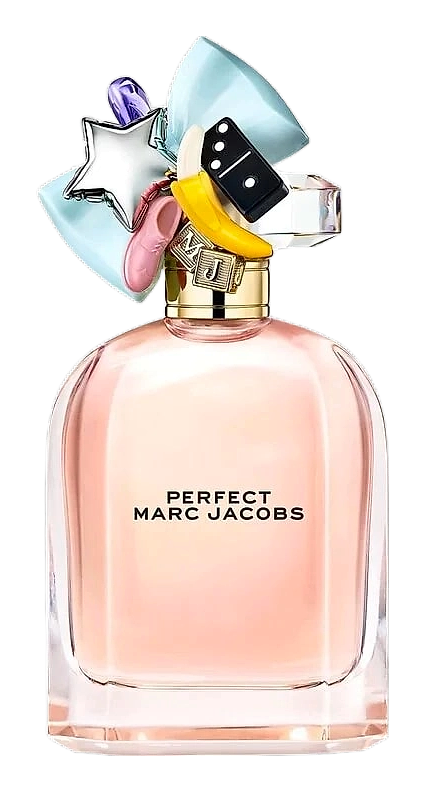
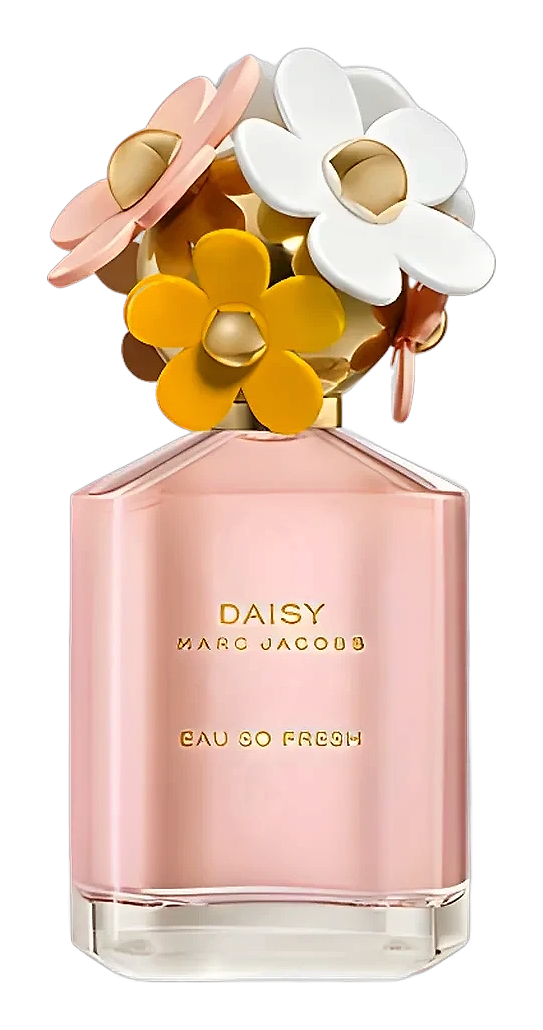
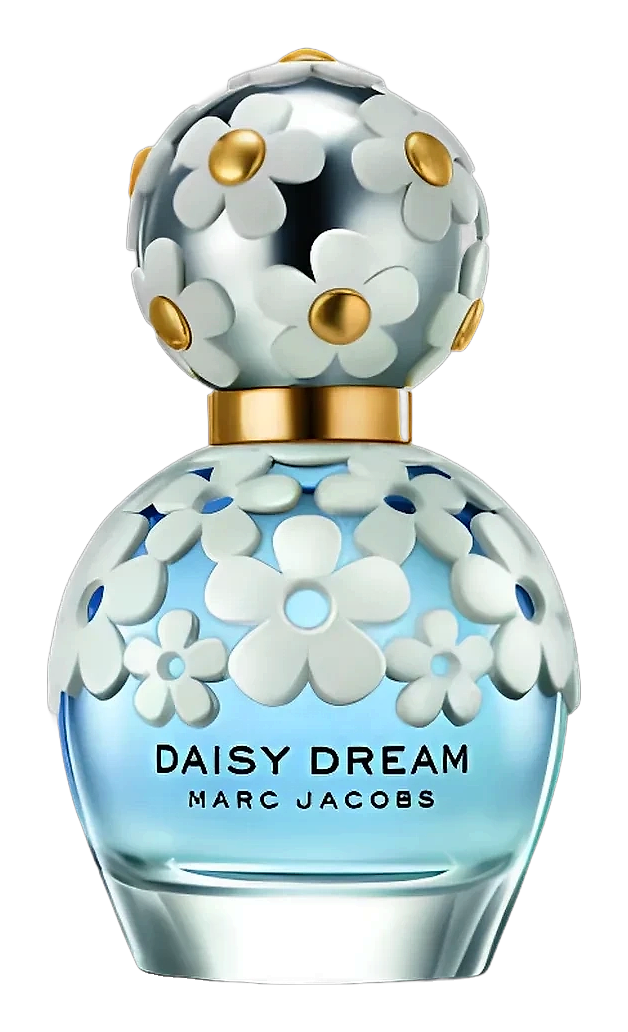
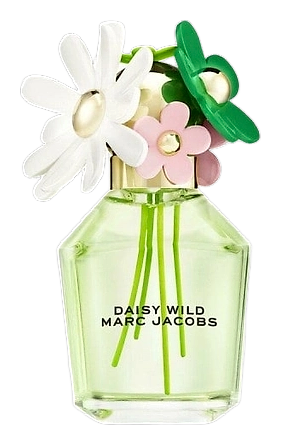
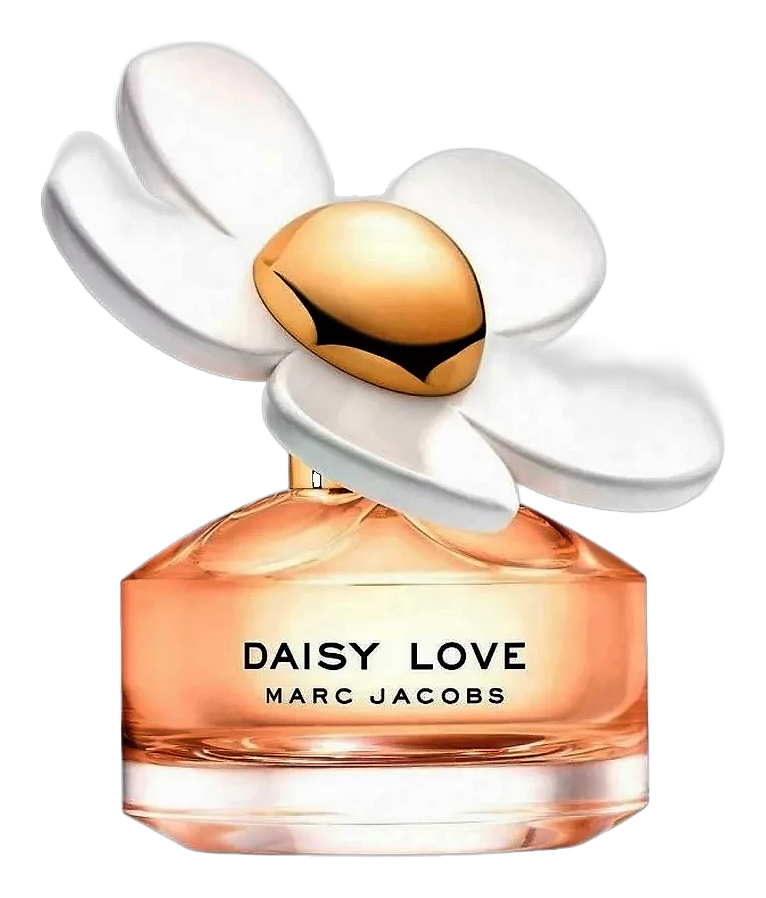
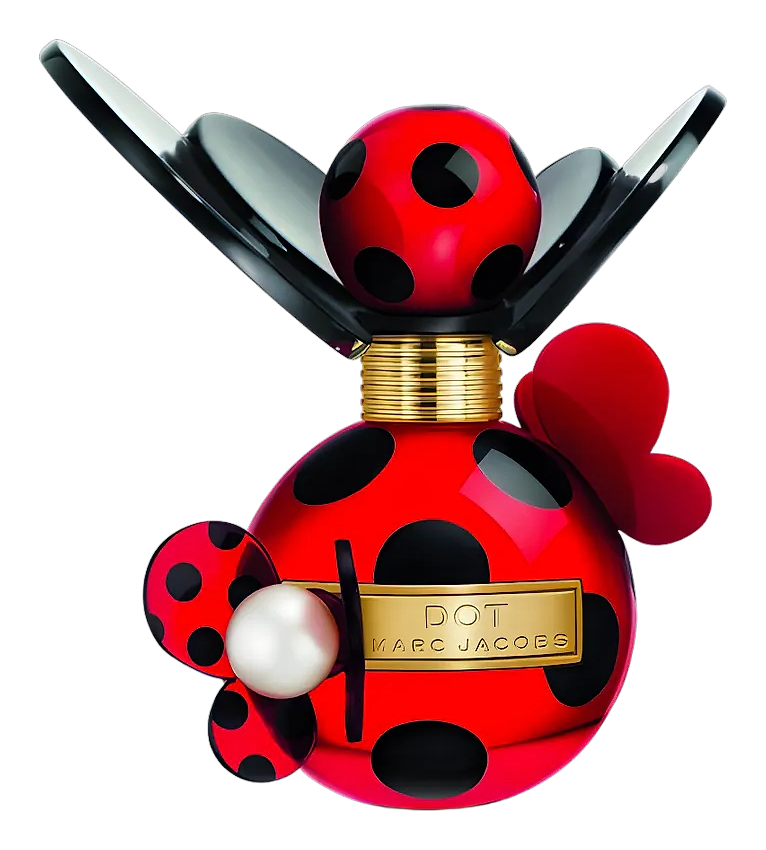
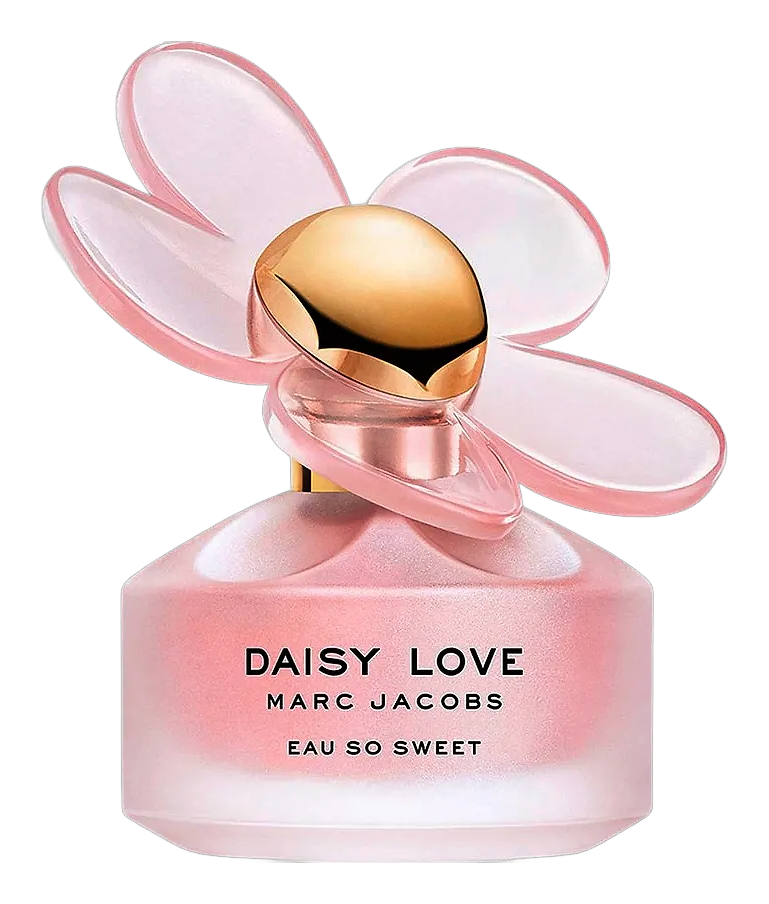
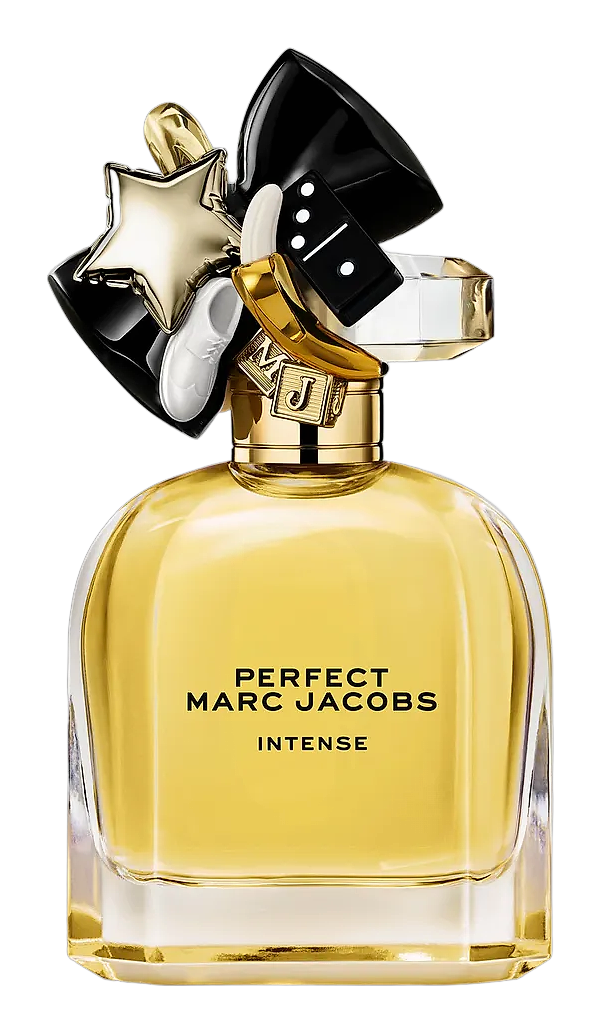
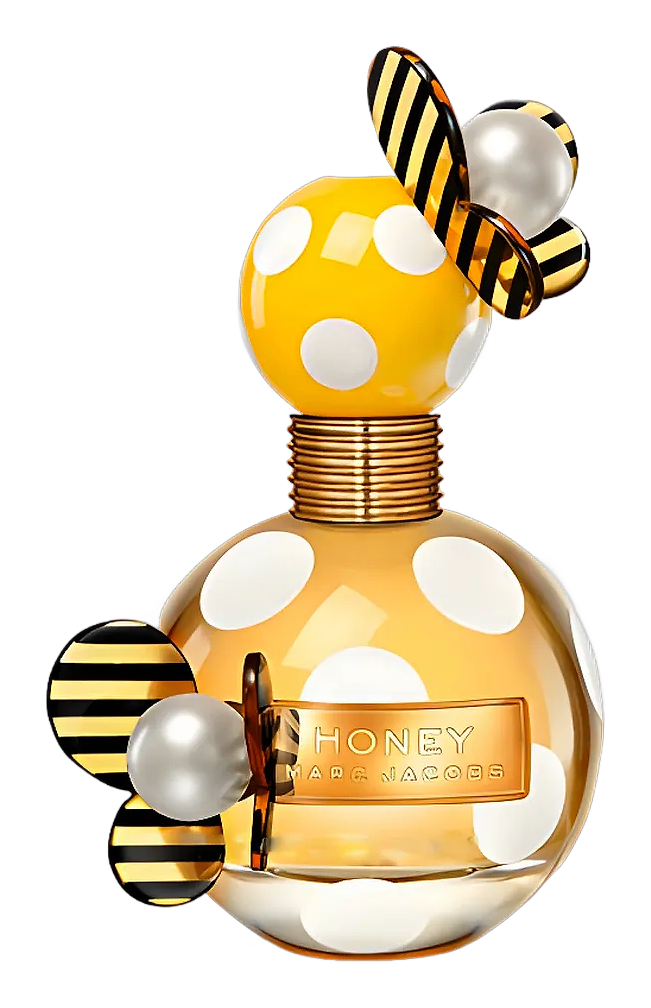
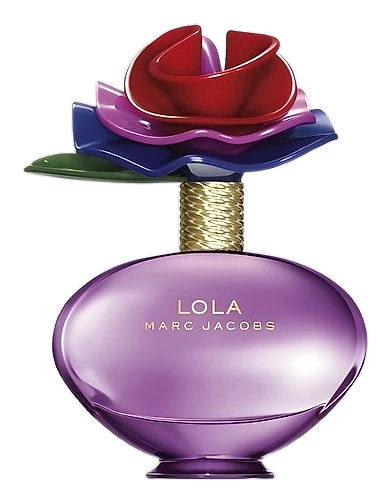
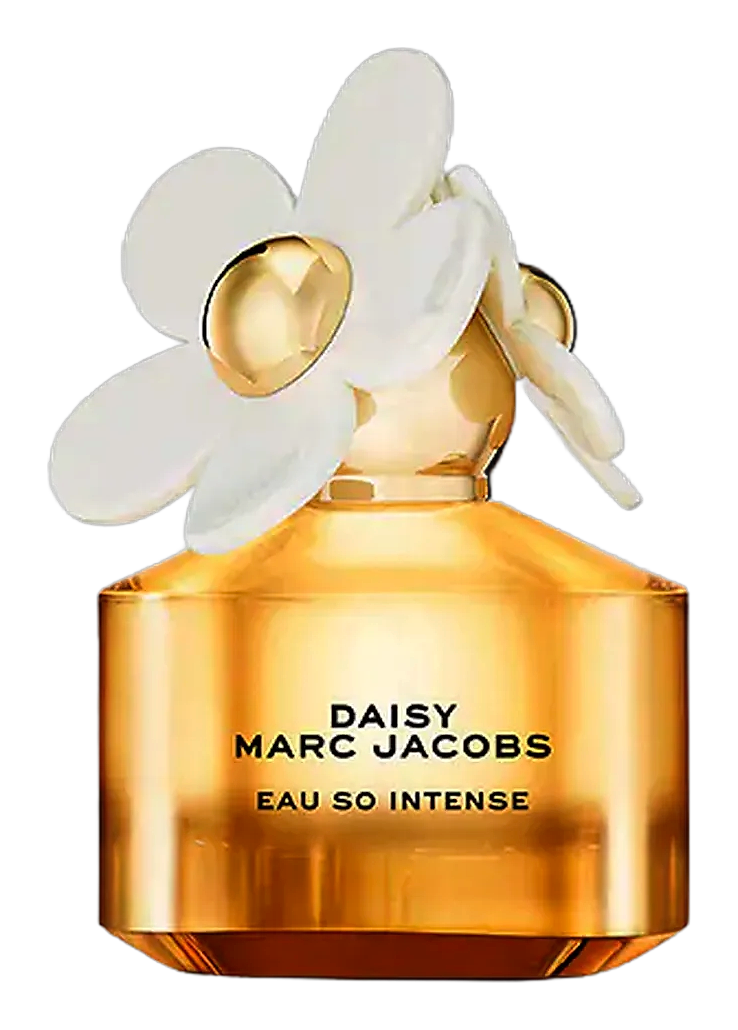
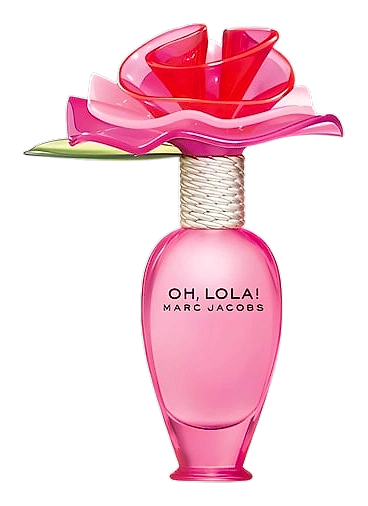
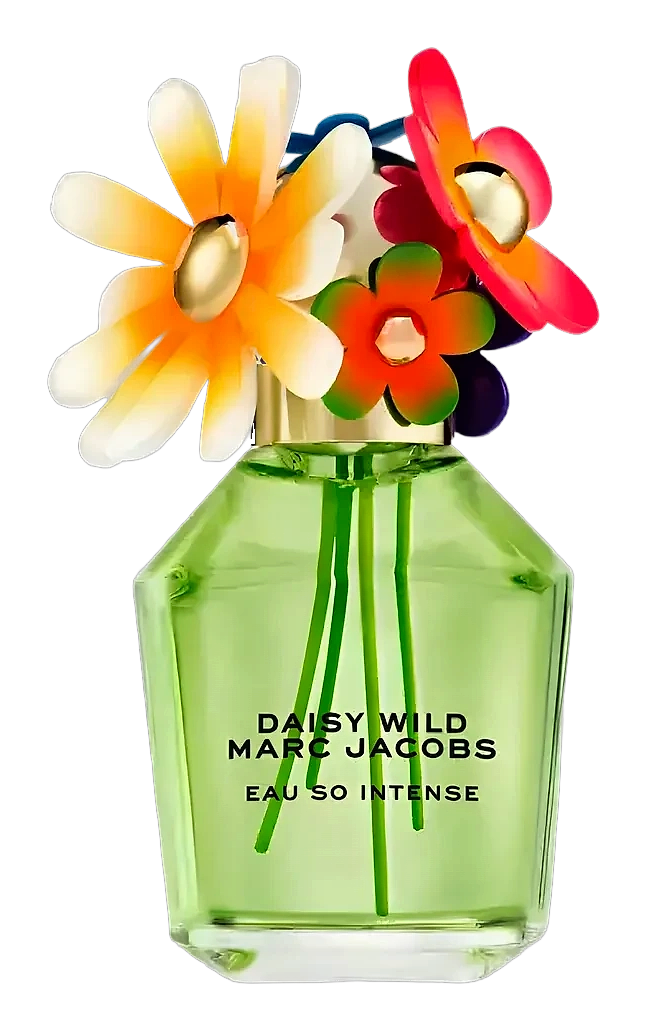
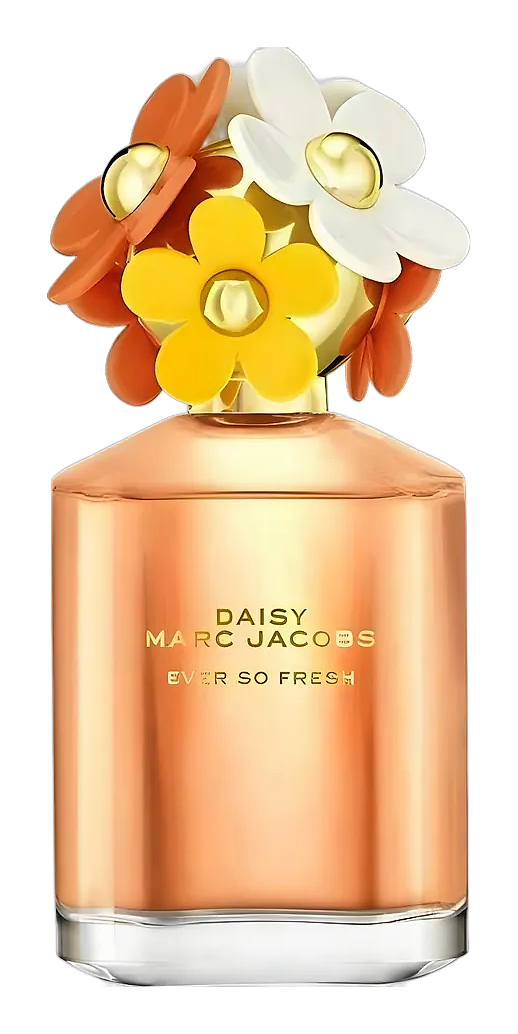
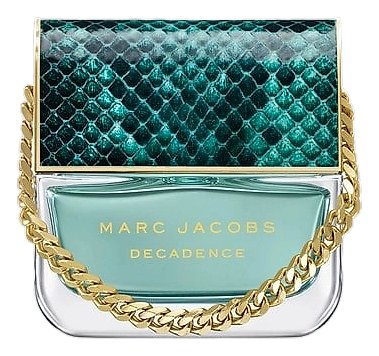
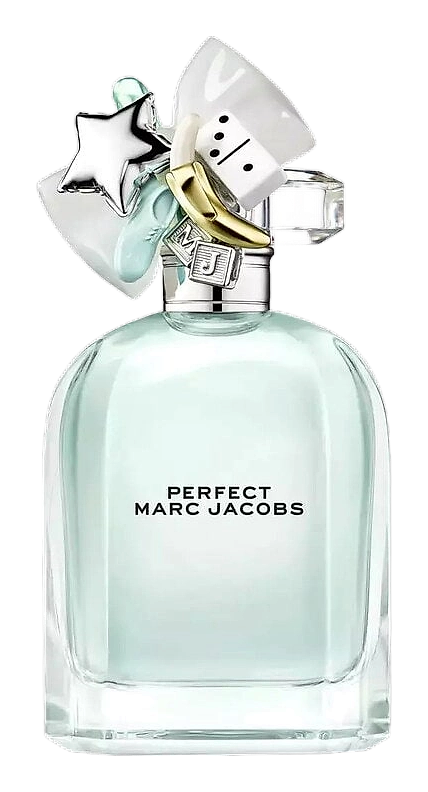
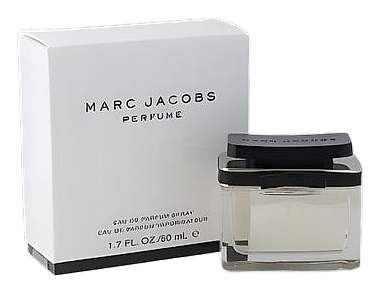
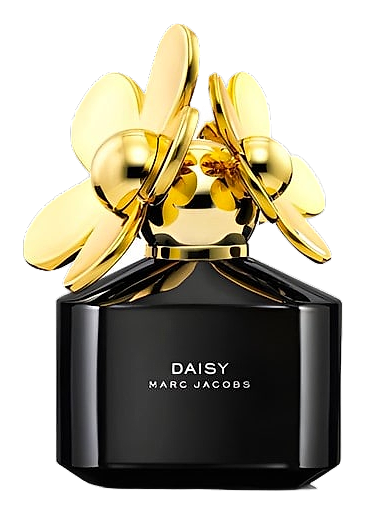
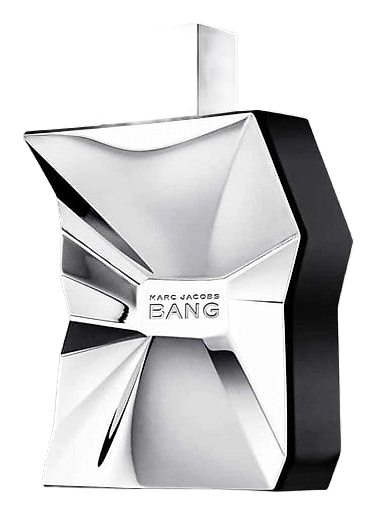
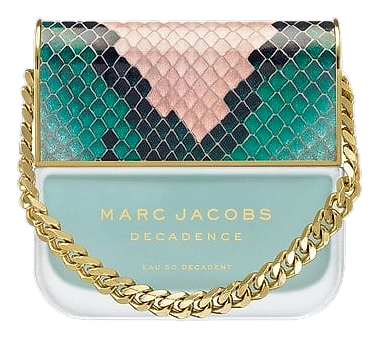
Marc JacobsMarc Jacobs fragrances, produced under license by Coty, launched in 2001 with Marc Jacobs for Women, followed by a companion men's scent in 2002. The brand has since built an extensive portfolio of fragrances anchored by signature lines including Daisy (2007), Lola (2009), Decadence (2015), and Perfect (2020). Daisy, named after Daisy Buchanan from F. Scott Fitzgerald's The Great Gatsby, quickly became a defining success for the brand, spawning numerous flankers and variations across multiple collections. The line's visual identity, with its oversized daisy cap atop a clean bottle, became one of the most recognizable silhouettes in contemporary perfumery. Decadence introduced a handbag-shaped bottle on a gold tasselled chain, a notably unconventional vessel for fragrance at the time of its launch. The brand has collaborated with a broad roster of perfumers over the years, including Annie Buzantian, Ann Gottlieb, Steve DeMercado, Loc Dong, Alberto Morillas, and Calice Becker, among many others. Marc Jacobs fragrances are available at major department stores worldwide and online.
The Creator
Jean-Claude DelvilleDelville's style resists easy summary, which is perhaps the point. He moves between floralorientals, fresh citruses, and powdery aldehydic compositions with apparent ease.