The Story
Why it exists.
The beginning
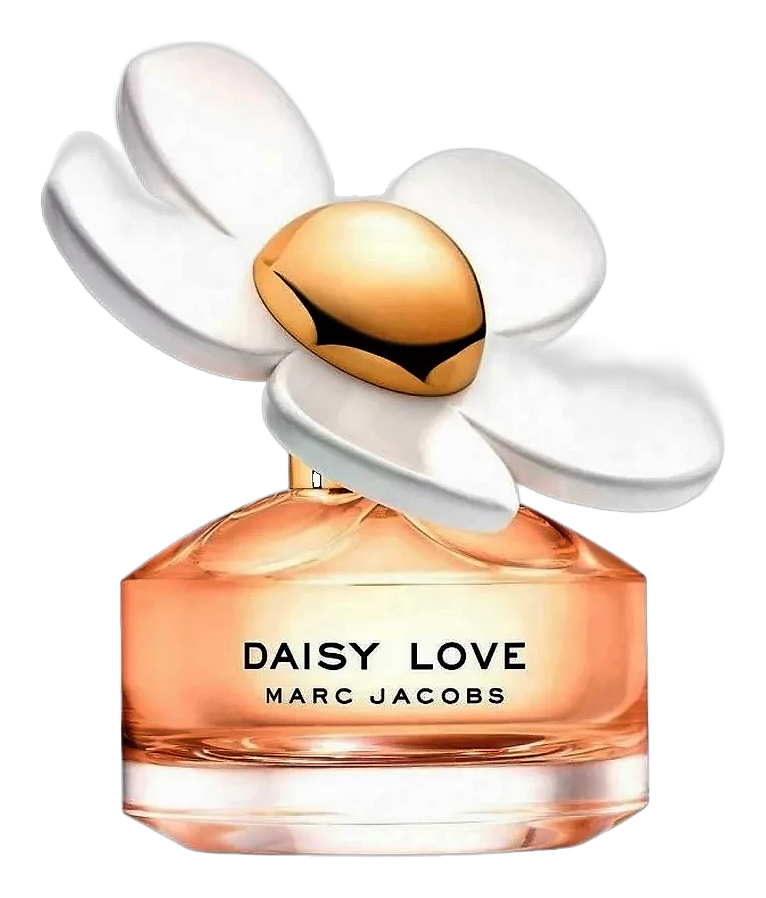
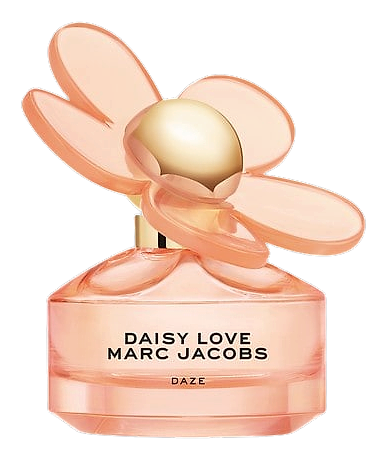
Alberto Morillas built Daisy Love Daze in 2019 as a flanker to the original Daisy Love, an already sweet, successful fragrance that had found its audience. Where the original Daisy Love led with floralcy, this one leads with fruit, specifically, apricot at its ripest. The osmanthus at the heart was a deliberate choice, a floral material whose apricot-adjacent quality makes the transition from fruit to floral feel natural. Amber in the base keeps everything warm and close, finishing the composition without adding weight. The apricot opening is unapologetically sweet, but the osmanthus steps in to smooth what could become cloying, lending a creamy floral undertone that rounds the edges without weighing things down.
Osmanthus is the quiet star here. It's a floral material most people haven't learned to name, with a distinctive apricot-honey quality that most consumers can't identify but immediately recognize as pleasant. That ambiguity is the point. When you smell Daisy Love Daze, the osmanthus doesn't announce itself as a note. It just makes the apricot feel richer, the amber feel warmer, and the whole composition feel less like a fruit salad and more like a coherent idea. Three notes, but they're doing real work together.
The evolution
The apricot doesn't whisper. It arrives bright and tart, the smell of stone fruit at peak ripeness, and it doesn't apologize for being sweet. Within minutes, the osmanthus moves in, smoothing the edges, adding that creamy floral quality that rounds everything out without making it heavy. The hand-off is natural, not a jarring shift. The osmanthus doesn't overpower the apricot so much as it integrates with it, creating a blended impression that feels both fruity and floral at once. A few hours in, the top notes fade and the amber takes over, warm and resinous, keeping everything close to the skin rather than projecting outward. The drydown is quiet. Not disappearing, just settling. The amber lingers softly, maintaining warmth without becoming prominent.
Cultural impact
The Daisy franchise has been a significant part of Marc Jacobs' portfolio since 2007, and Daisy Love Daze (2019) continues that lineage. The apricot note sets this flanker apart in a category where sweeter fruity-floral scents often rely on more common fruits. The osmanthus-amber pairing grounds what could read as overly sweet in something with more complexity, creating a fragrance that feels both inviting and nuanced. This approach reflects a broader sensibility within the Daisy line: accessible enough to appeal broadly, yet crafted with enough care to feel distinctive.
The House
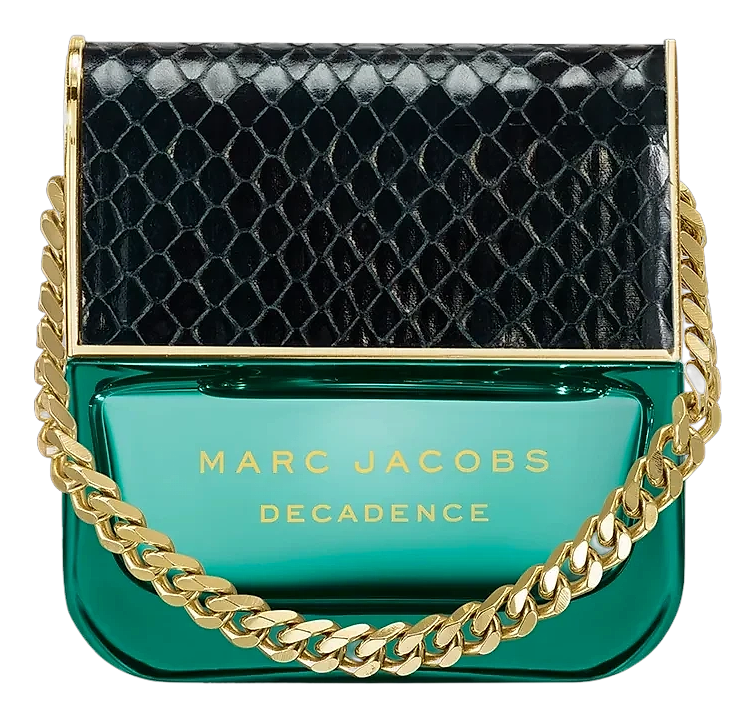
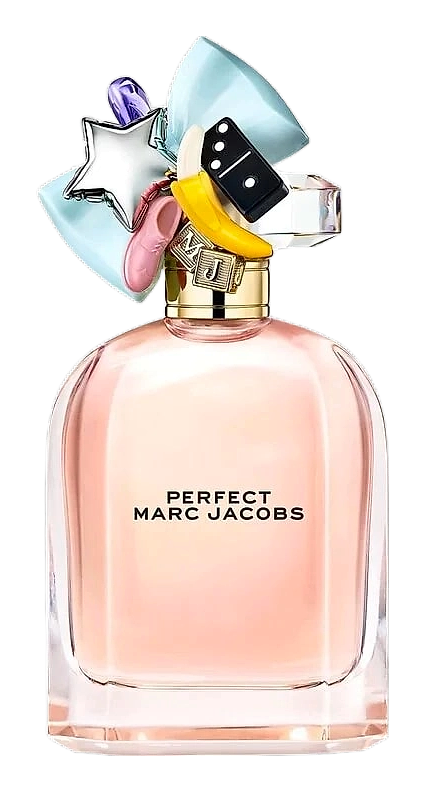
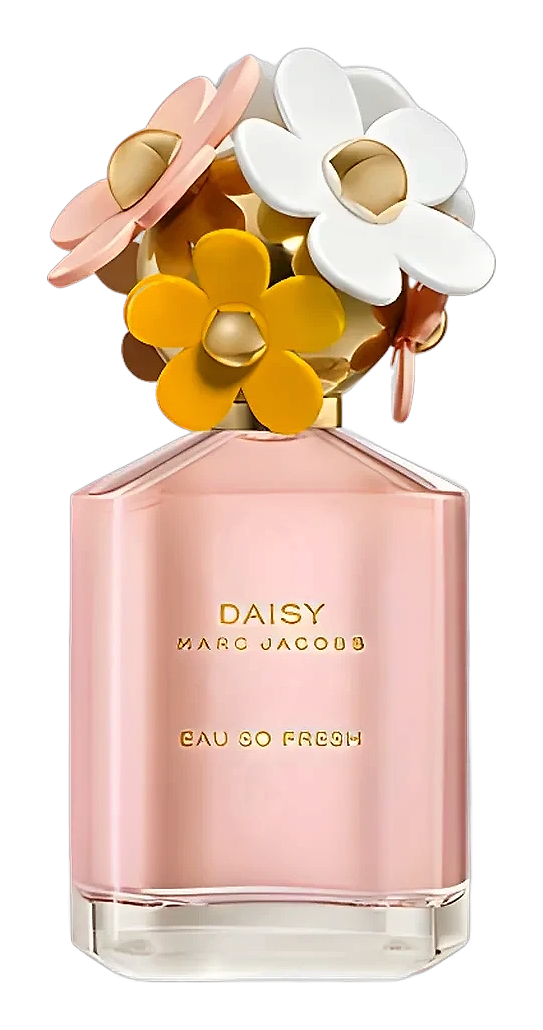
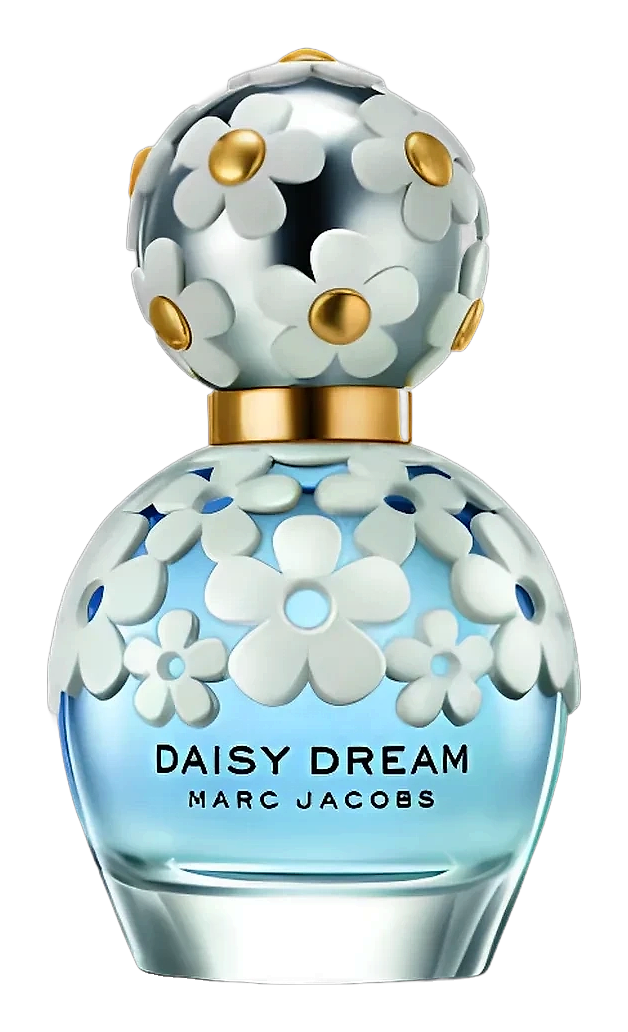
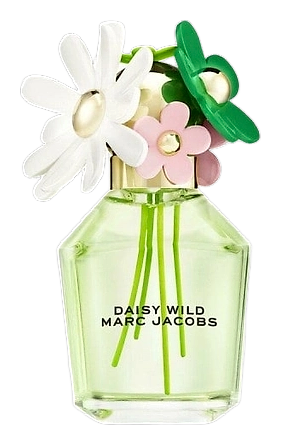
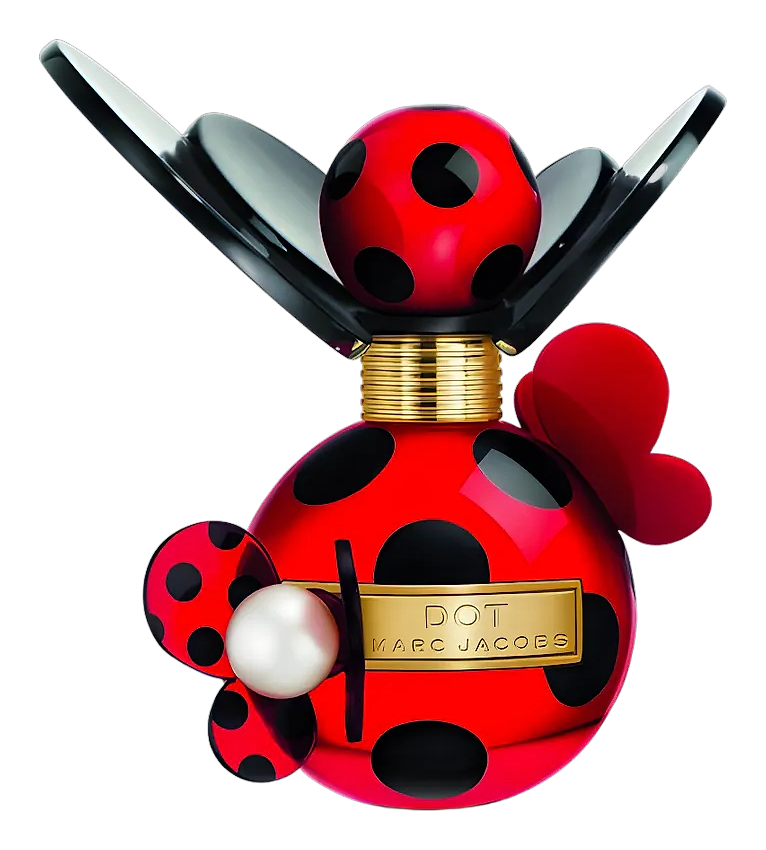
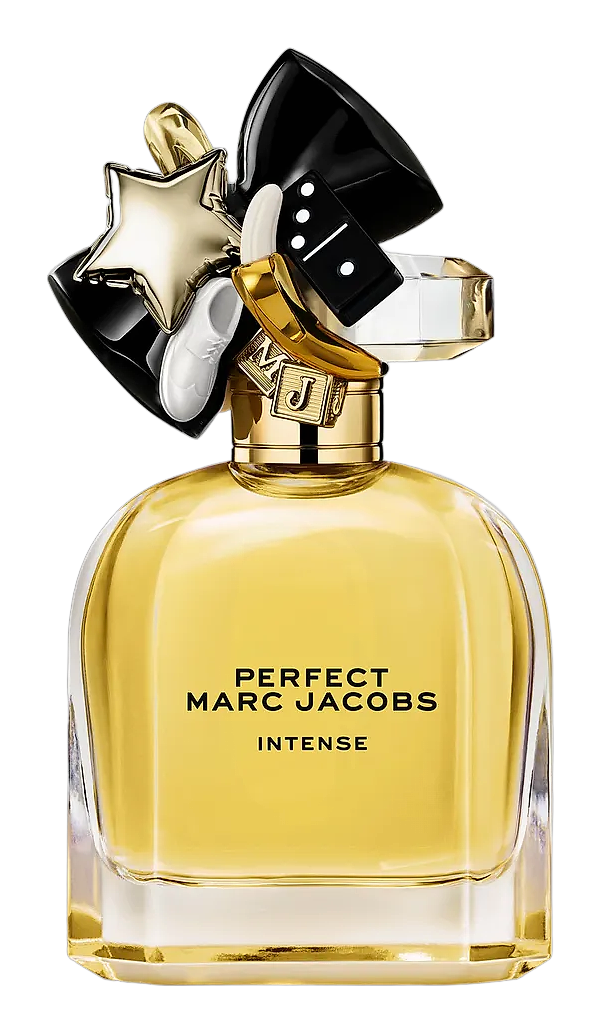
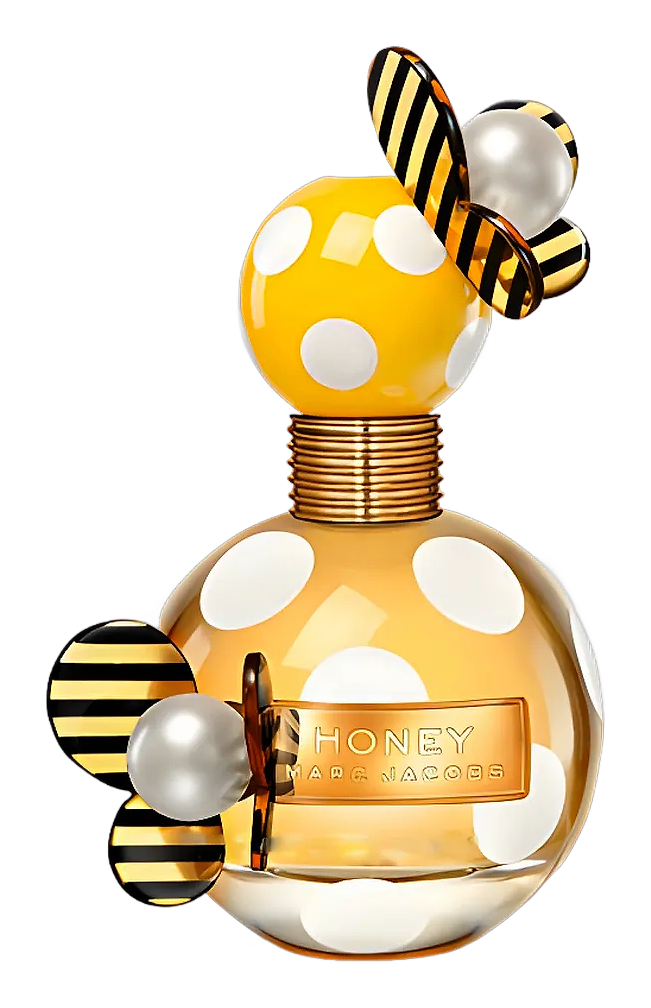
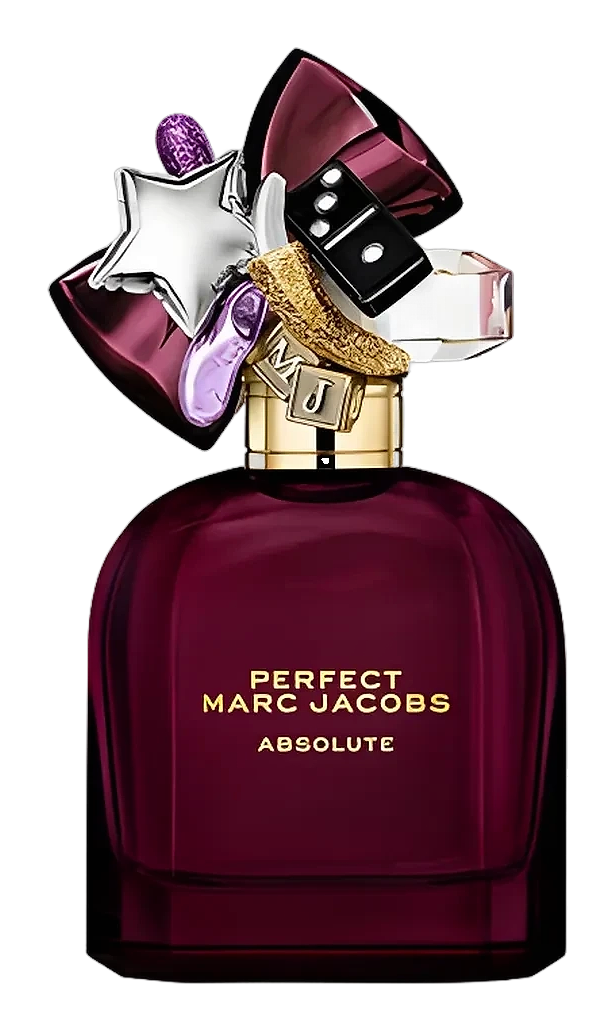
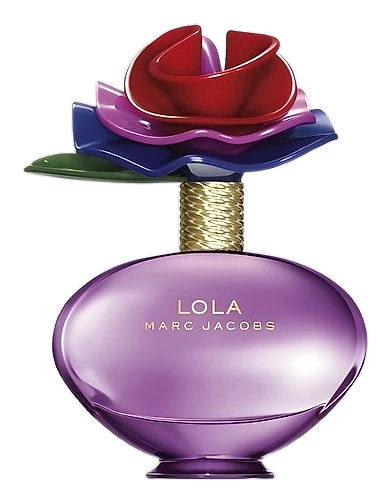
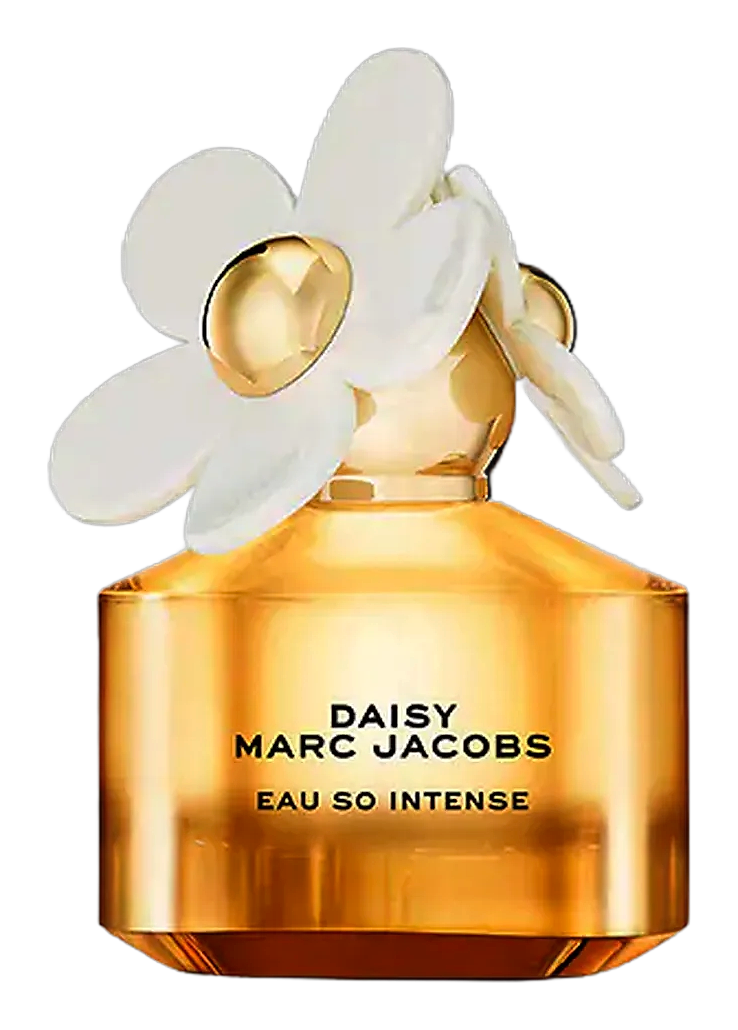
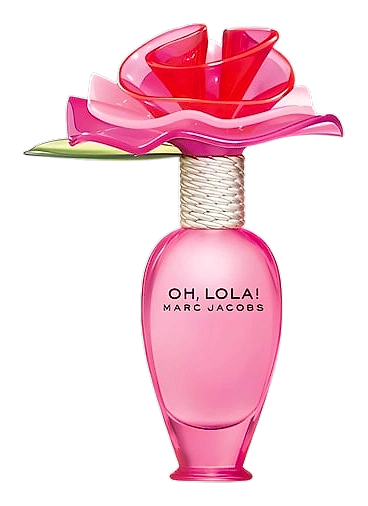
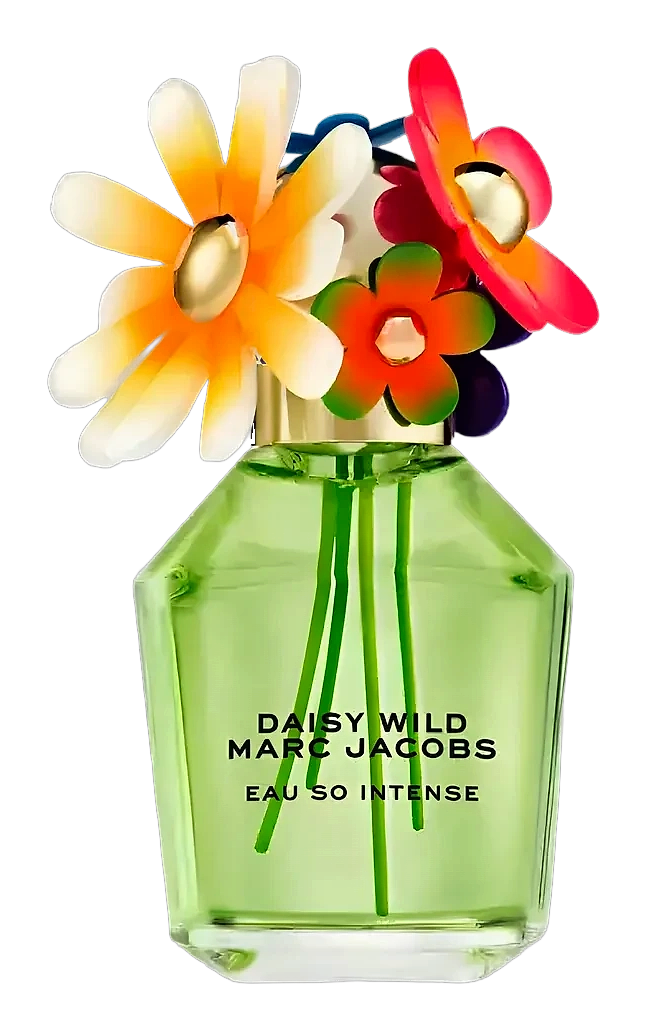
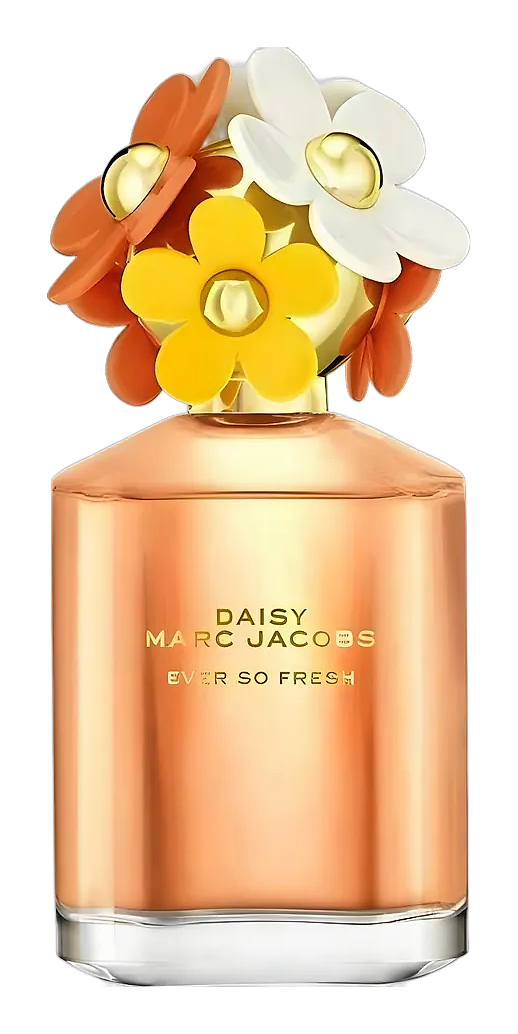
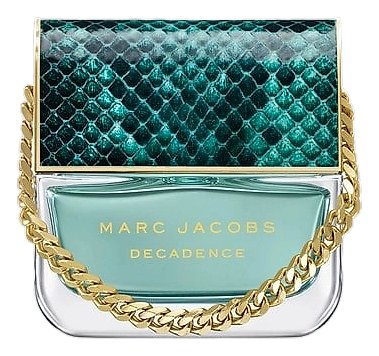
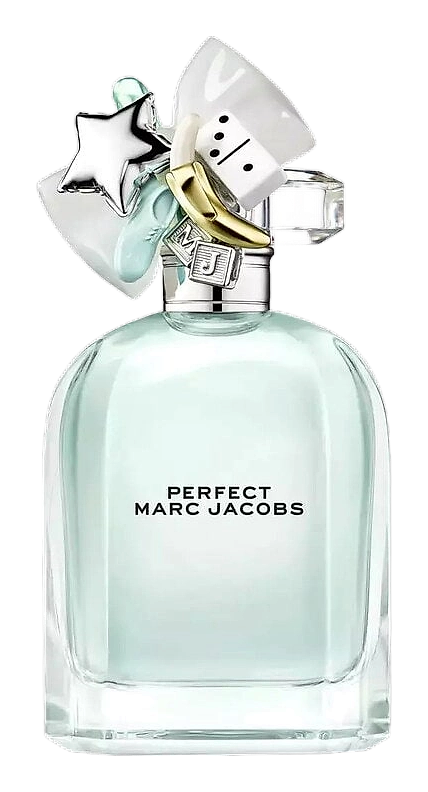
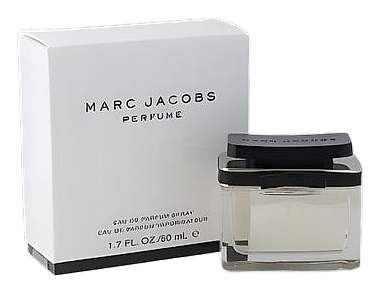
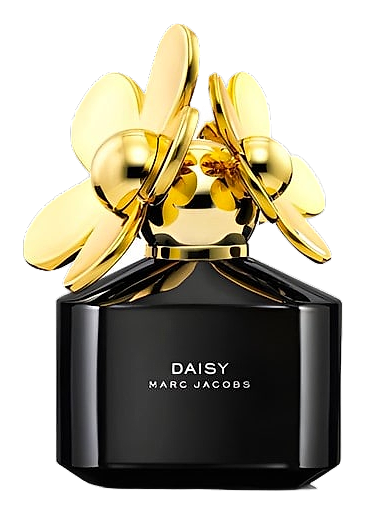
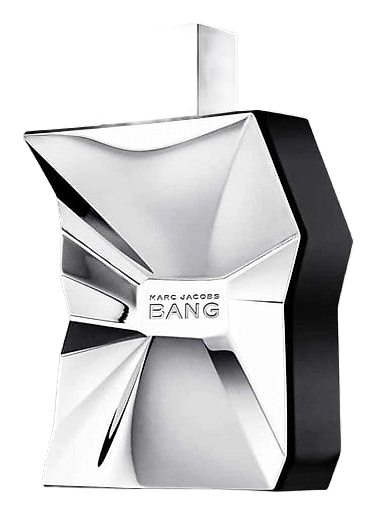
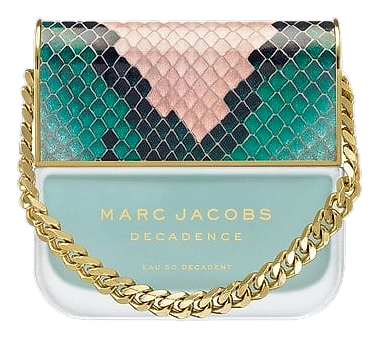
Marc JacobsMarc Jacobs fragrances, produced under license by Coty, launched in 2001 with Marc Jacobs for Women, followed by a companion men's scent in 2002. The brand has since built an extensive portfolio of fragrances anchored by signature lines including Daisy (2007), Lola (2009), Decadence (2015), and Perfect (2020). Daisy, named after Daisy Buchanan from F. Scott Fitzgerald's The Great Gatsby, quickly became a defining success for the brand, spawning numerous flankers and variations across multiple collections. The line's visual identity, with its oversized daisy cap atop a clean bottle, became one of the most recognizable silhouettes in contemporary perfumery. Decadence introduced a handbag-shaped bottle on a gold tasselled chain, a notably unconventional vessel for fragrance at the time of its launch. The brand has collaborated with a broad roster of perfumers over the years, including Annie Buzantian, Ann Gottlieb, Steve DeMercado, Loc Dong, Alberto Morillas, and Calice Becker, among many others. Marc Jacobs fragrances are available at major department stores worldwide and online.
The Creator
Alberto MorillasMorillas' style is characterized by a luminous transparency and a masterful use of musks. He often incorporates citrus notes to create a bright, uplifting effect.