
The Story
Why it exists.
The beginning
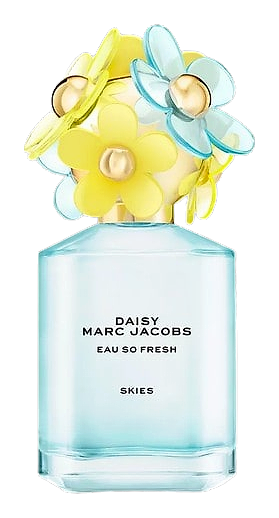
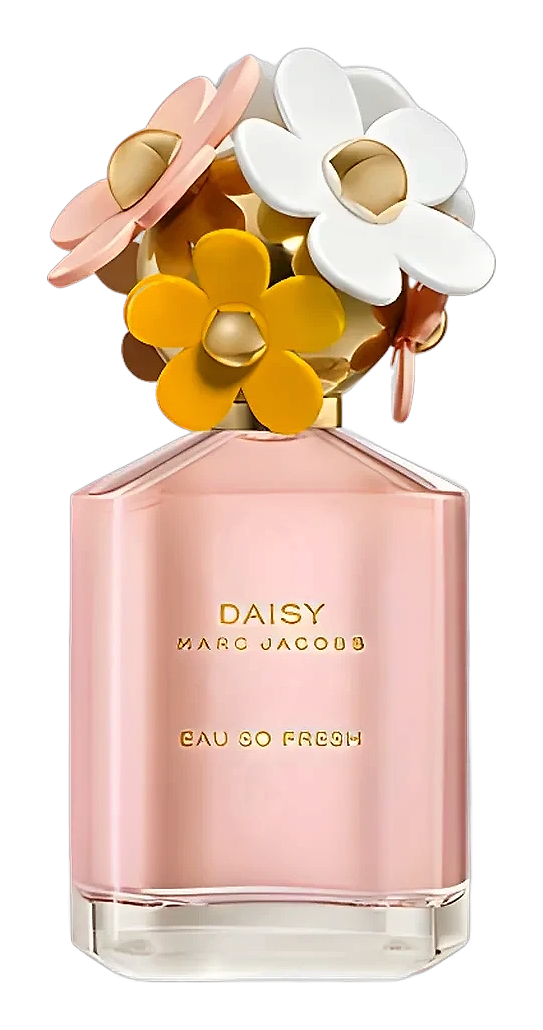
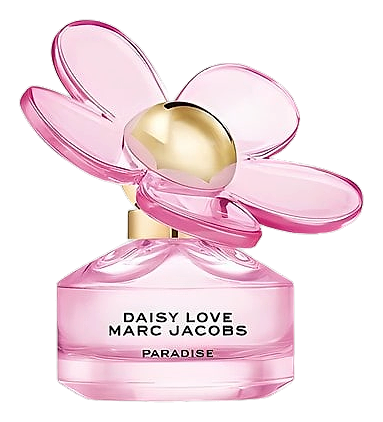
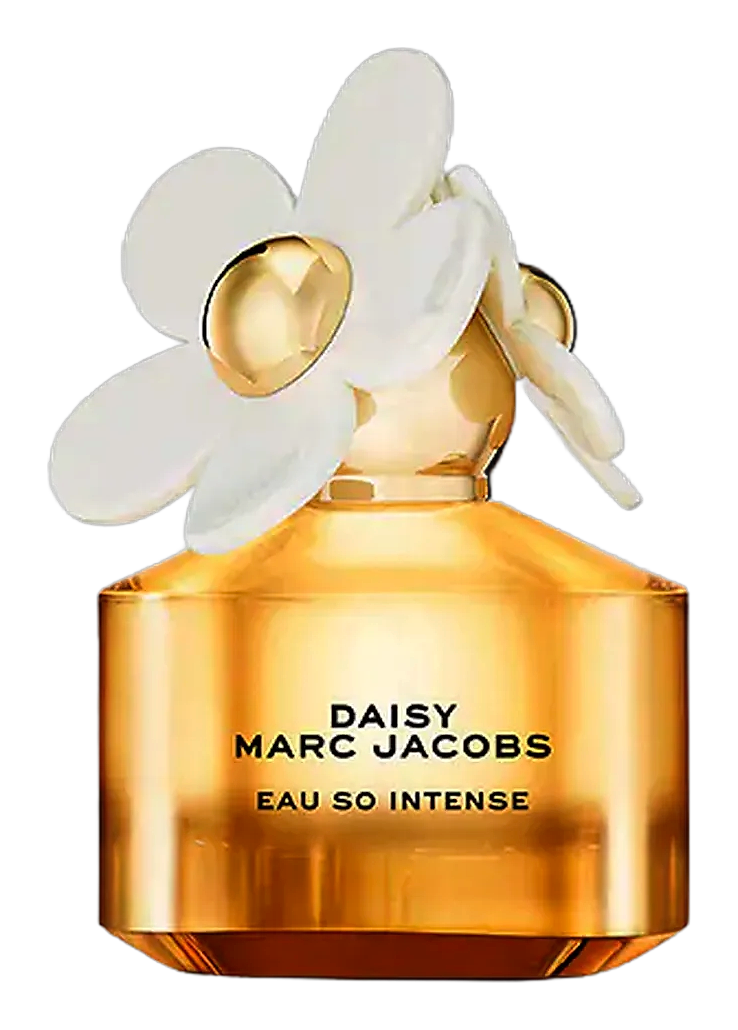
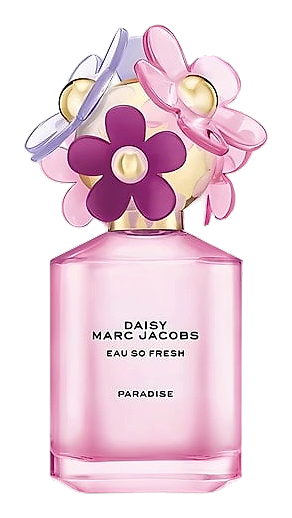
Alberto Morillas designed Daisy Eau So Fresh Paradise as a departure from the fruitier, lighter iterations in the Daisy line. Released as a limited edition in 2022, the composition leans into the unexpected: a lavender-dominant heart anchored by mitti attar, an ingredient rarely found in mass-market Western fragrances. The result is a flanker that reads as both familiar and strange, unmistakably Daisy in spirit, but refusing the expected sweetness.
What makes this composition unusual is the pairing of lavender with mitti attar. Lavender is common enough in perfumery, but used as a dominant heart note rather than a supporting player is a deliberate choice. Mitti attar, attar distilled from sun-baked earth and petrichor, grounds the florals in something mineral, almost atmospheric. The pink pepper opening provides just enough brightness to keep the whole thing from settling into something too austere. It's a fragrance that rewards attention: what initially reads as simple becomes more textured the longer you wear it.
The evolution
The pink pepper opens bright and sharp, that clean spice that reads as almost citrus-adjacent. Within minutes, the lavender sweeps in and takes over, pushing the composition into herbal territory. The florals in the heart layer are subtle, more implied than announced. Then the mitti attar arrives. It doesn't storm the composition, it rises slowly, bringing warmth and an earthy, almost rainy quality that changes the texture entirely. By hour three, you're wearing something that smells less like perfume and more like skin that's been in the sun. The drydown lasts another two to three hours on most skin types, staying close and intimate.
Cultural impact
The 2022 limited edition represents a notable departure from the Daisy line's established fruity-feminine identity. By introducing lavender and mitti attar, Marc Jacobs signaled a willingness to experiment with more complex, attar-inspired compositions in a mass-market designer context. Mitti attar, derived from baked earth and mineral notes, remains rare in Western designer perfumery, making this flanker a conversation piece among enthusiasts who track niche-designer crossover trends.
The House
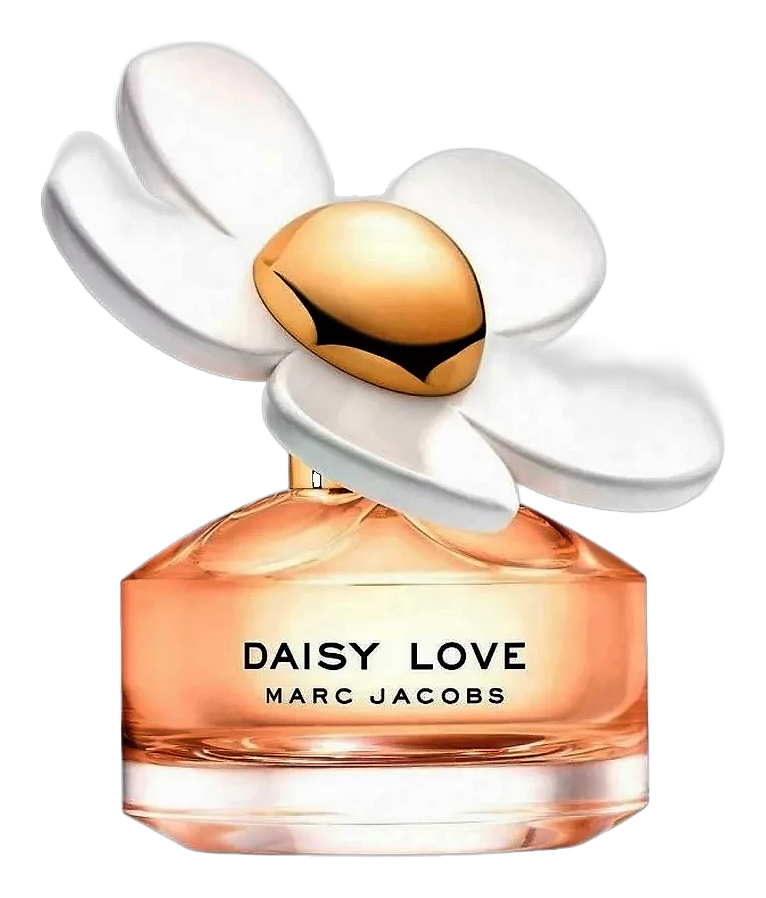
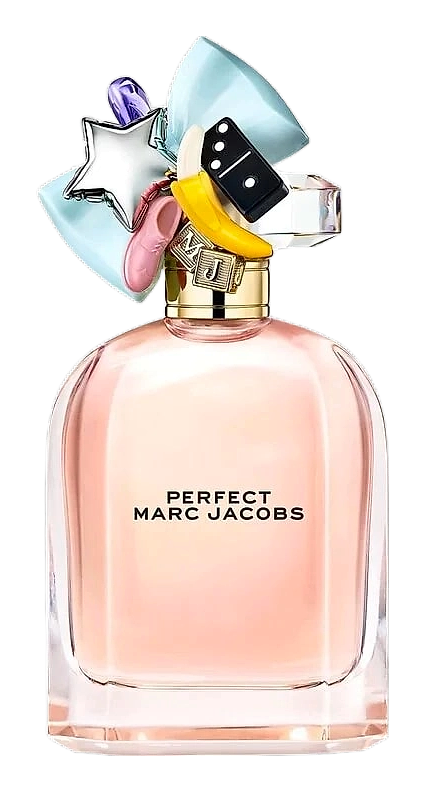
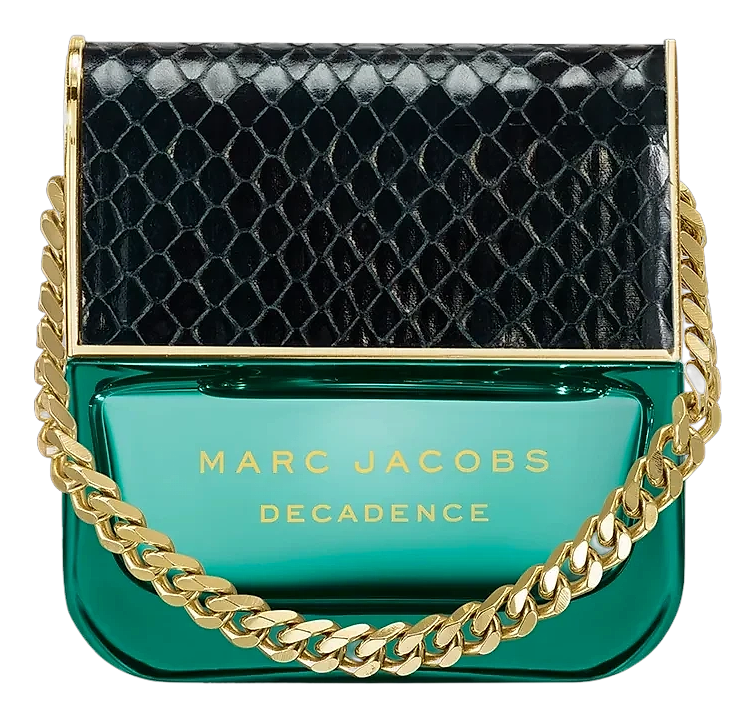
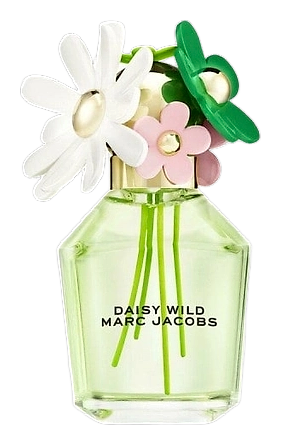
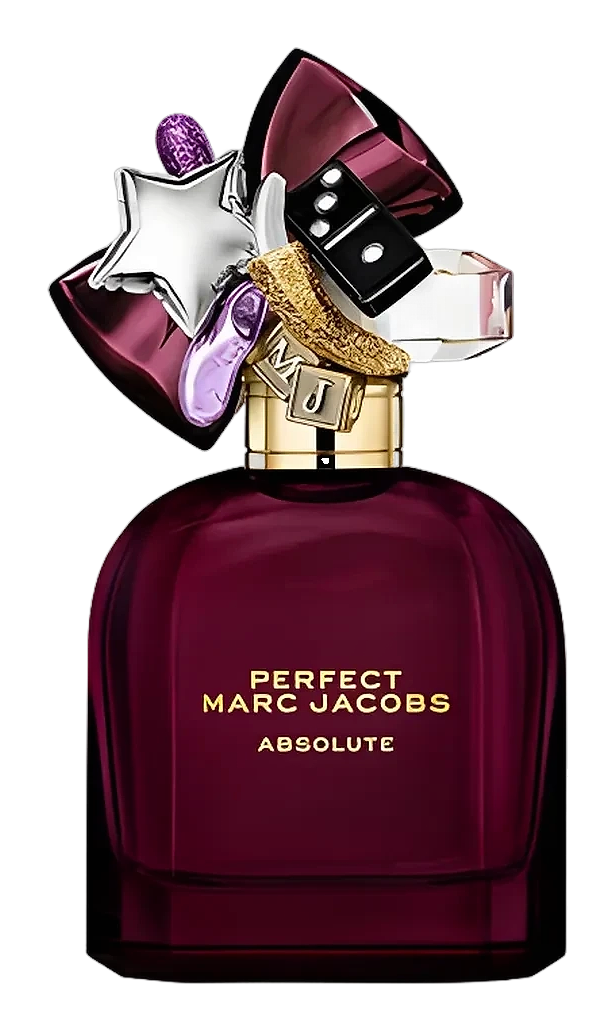
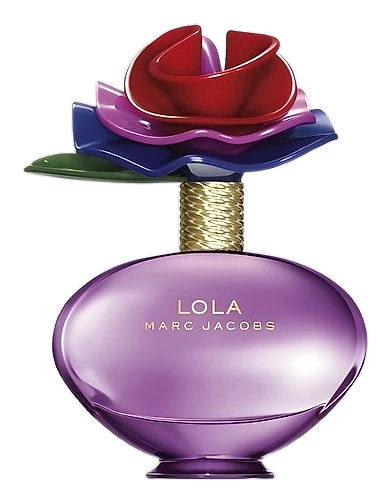
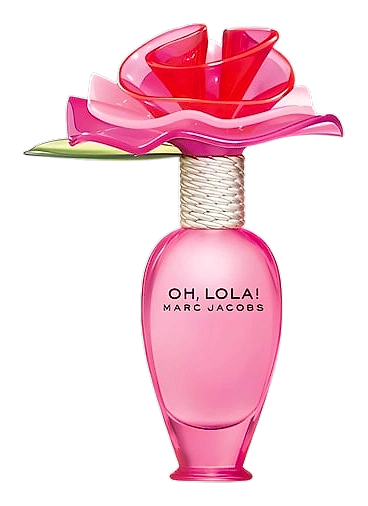
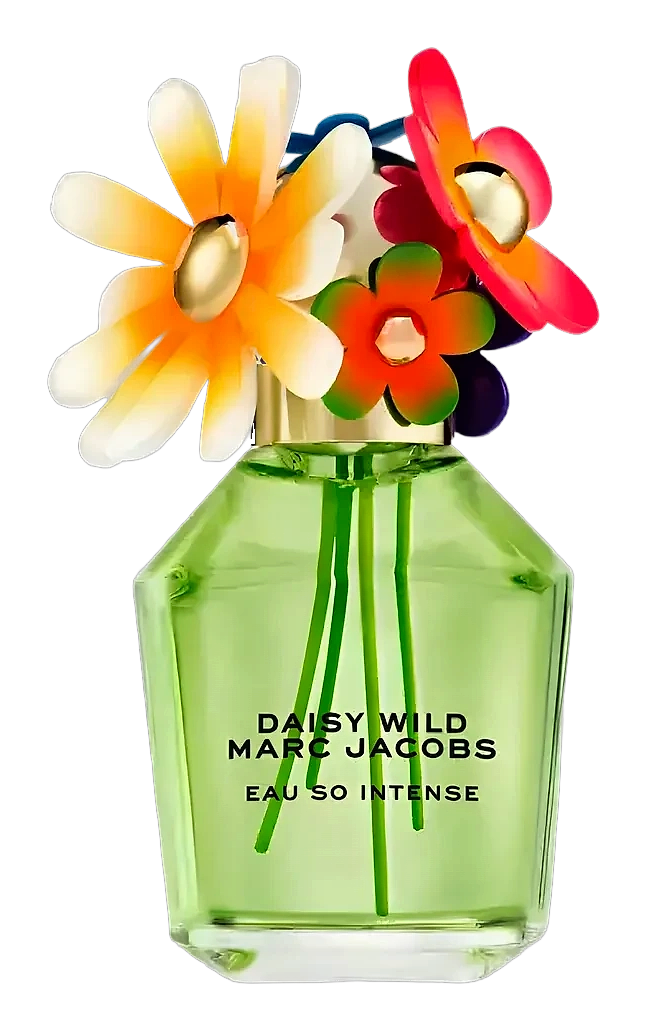
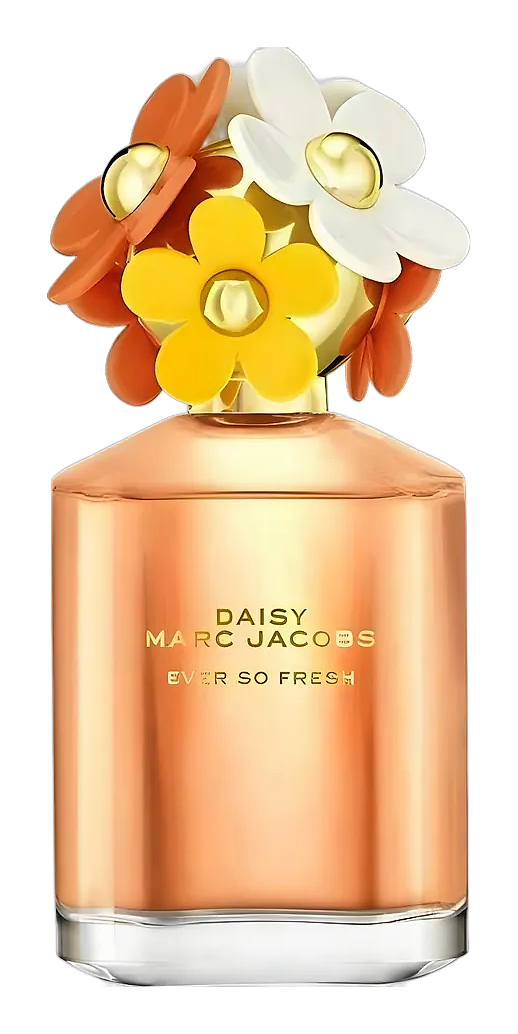
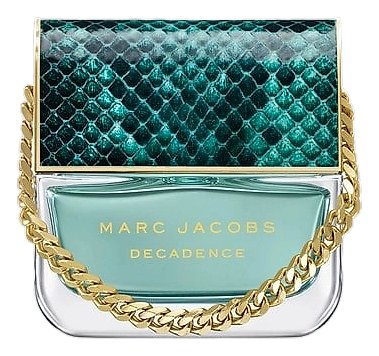
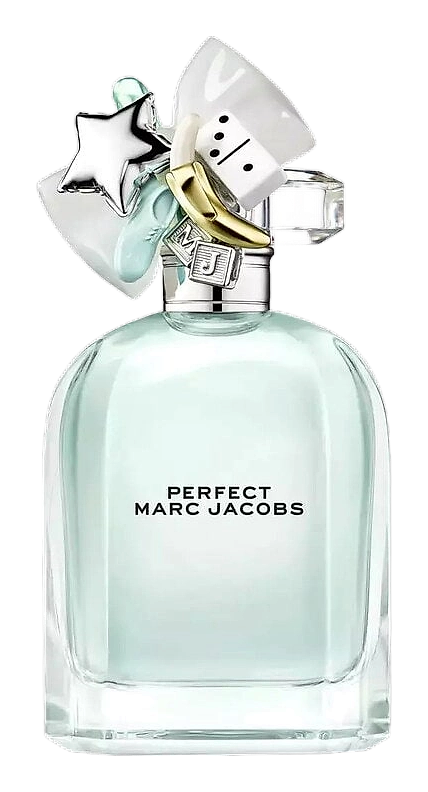
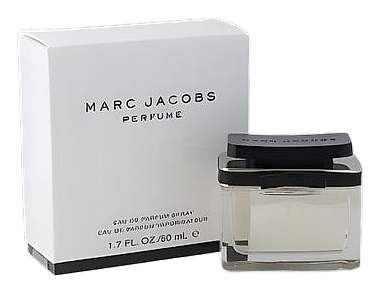
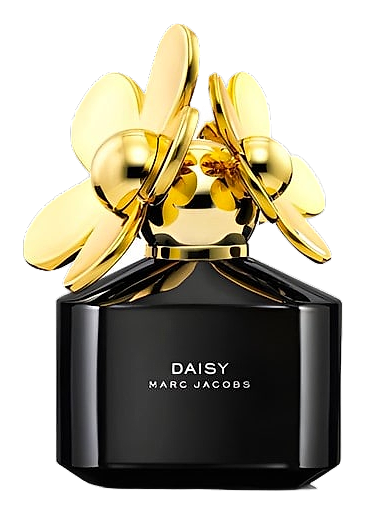
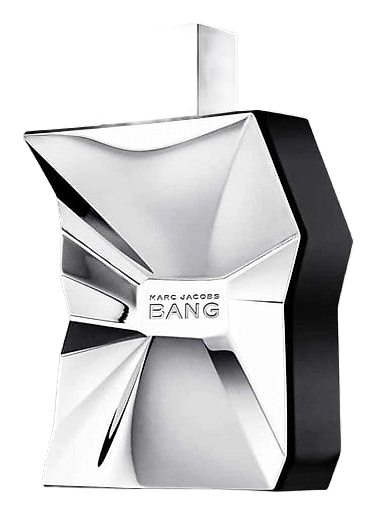
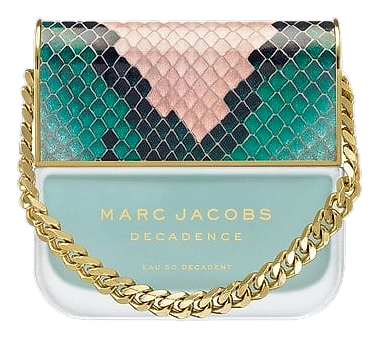
Marc JacobsMarc Jacobs fragrances, produced under license by Coty, launched in 2001 with Marc Jacobs for Women, followed by a companion men's scent in 2002. The brand has since built an extensive portfolio of fragrances anchored by signature lines including Daisy (2007), Lola (2009), Decadence (2015), and Perfect (2020). Daisy, named after Daisy Buchanan from F. Scott Fitzgerald's The Great Gatsby, quickly became a defining success for the brand, spawning numerous flankers and variations across multiple collections. The line's visual identity, with its oversized daisy cap atop a clean bottle, became one of the most recognizable silhouettes in contemporary perfumery. Decadence introduced a handbag-shaped bottle on a gold tasselled chain, a notably unconventional vessel for fragrance at the time of its launch. The brand has collaborated with a broad roster of perfumers over the years, including Annie Buzantian, Ann Gottlieb, Steve DeMercado, Loc Dong, Alberto Morillas, and Calice Becker, among many others. Marc Jacobs fragrances are available at major department stores worldwide and online.
The Creator
Alberto MorillasMorillas' style is characterized by a luminous transparency and a masterful use of musks. He often incorporates citrus notes to create a bright, uplifting effect.