
The Story
Why it exists.
The beginning
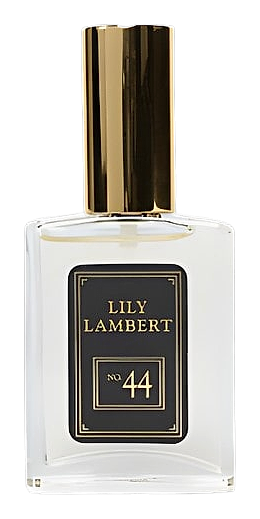
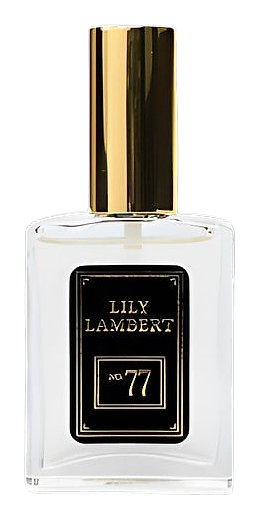
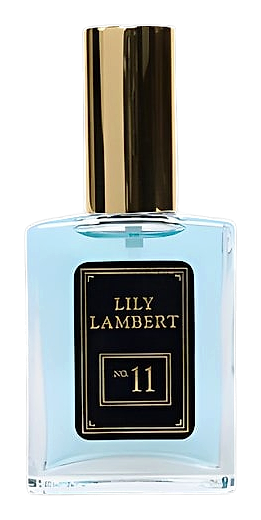
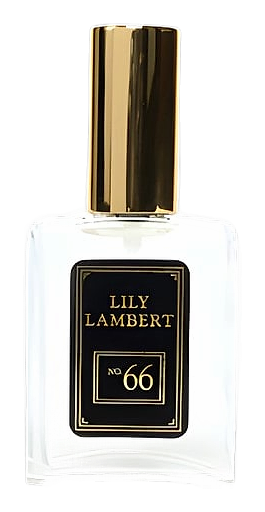
Master Number No. 66 arrived in 2007 as part of Lily Lambert's Master Number collection, a concept built around numbers rather than conventional romantic naming. Sarah Horowitz-Thran is credited as the perfumer behind the composition. The documented scent idea is deliberately spare: Cotton Flower and Sage. No extra origin story is needed here. That pair already tells the story clearly, pairing a clean, tactile floral softness with a greener, more aromatic herbal note.
The unusual part is the repetition. Cotton Flower and Sage appear both in the top notes and the heart, making the fragrance feel like a focused study rather than a long procession of changing ingredients. That restraint gives the composition its powdery, aromatic, herbal, soft, spicy, floral, and musky character. It's a neat trick: one floral texture and one green note carry more weight because neither gets lost in a crowded pyramid.
The evolution
Master Number No. 66 begins with the clean lift of Sage and the soft brightness of Cotton Flower. Those notes do their work quickly, setting a polished, lightly powdered mood. As the heart settles, the same pairing grows softer and more intimate. The floral side becomes cushioned, while the herbal note keeps a faint green edge, like a cool stem pressed between folded fabric. Later, the musky and powdery aspects take over, leaving a quiet, musky floral trace rather than a dramatic change of direction. Expect a moderate presence that stays close through much of the wear, with the scent reading like clean laundry and dried herbs the next day.
Cultural impact
Master Number No. 66 sits within Lily Lambert's art-first studio world, where fragrance is presented as one expression among several rather than a conventional perfume-house legacy. Its numbered name and restrained cotton-and-sage pairing suit wearers drawn to concept-driven design, clean textures, and quiet personal signatures.
The House
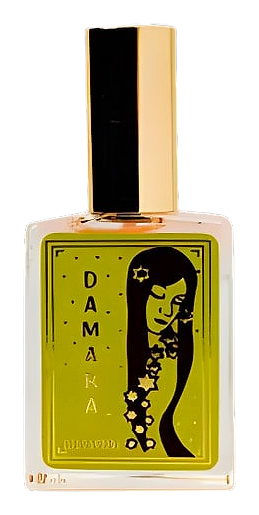
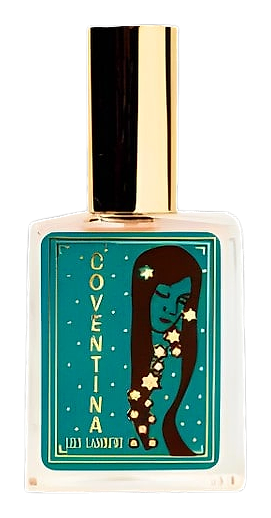
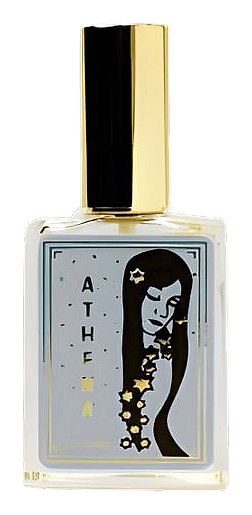
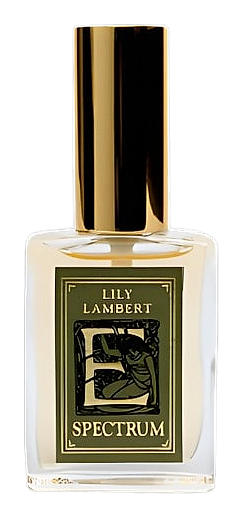
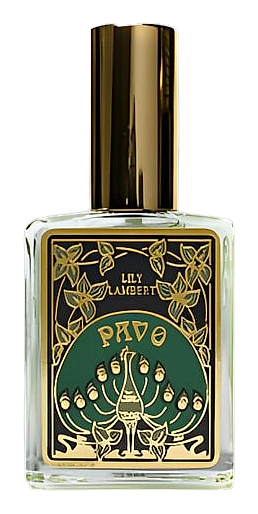
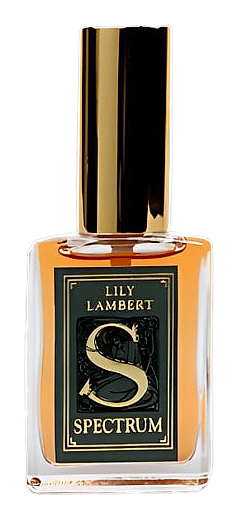
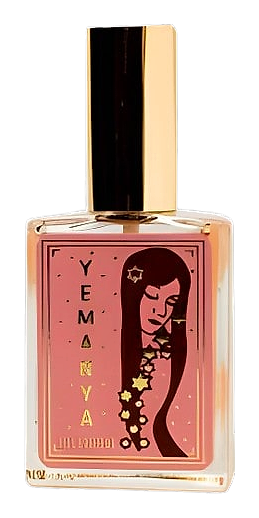
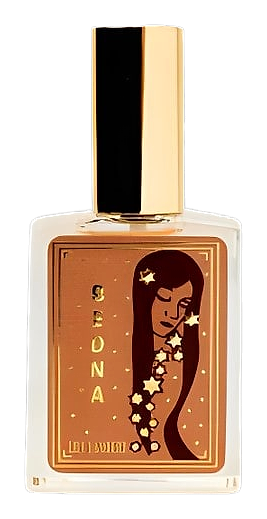
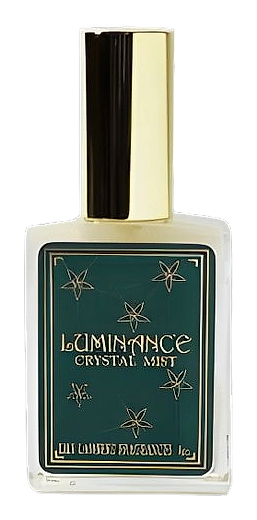
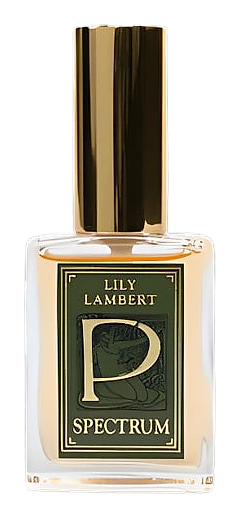
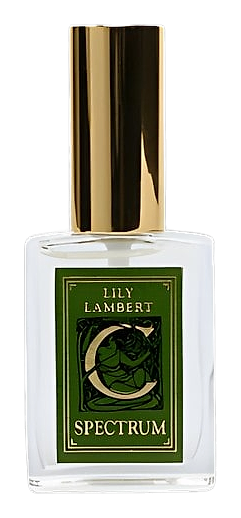
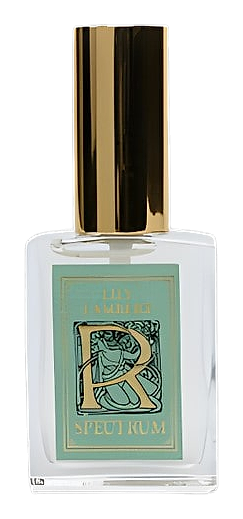
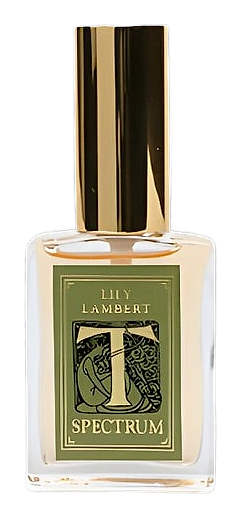
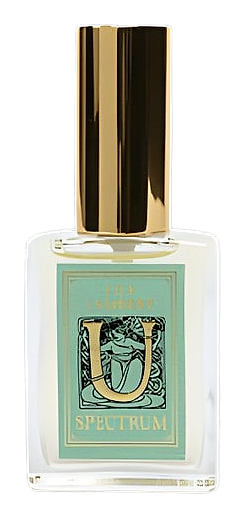
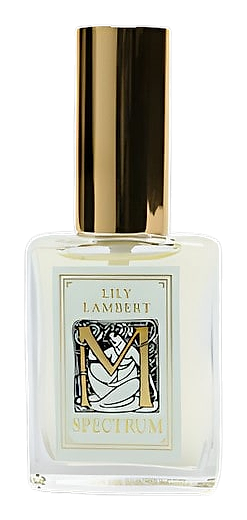
Lily LambertLily Lambert operates as a multidisciplinary creative studio spanning fragrance, art, jewelry, and printmaking. The brand emerged in 2007 with a collection of perfumes organized into thematic series, including the numerologically-inspired Master Number line and the celestial-themed Goddess collection. Rather than adhering to traditional fragrance house conventions, Lily Lambert positions itself at the intersection of olfactory art and visual expression. The fragrance offerings explore unconventional material combinations, as evidenced by the Pavo composition which layers carnation, mandarin oranges, and cinnamon against a vanilla-musk base. The Master Number series suggests an approach rooted in symbolism, while the Spectrum collection points toward a more conceptual framework. With 22 fragrance entries spanning 2007 to 2009, the brand maintained an active development period before apparent dormancy. The studio structure, encompassing multiple creative disciplines beyond perfumery, distinguishes the operation from conventional perfume houses.
The Creator
Sarah Horowitz-ThranSarah builds each perfume around a core accord that clings to skin for hours. She favors natural absolutes, especially vanilla bean, patchouli leaf and amber resin, and she often adds a whisper of saffron or a touch of cedar to add depth.