








Heritage
A house, in its own words
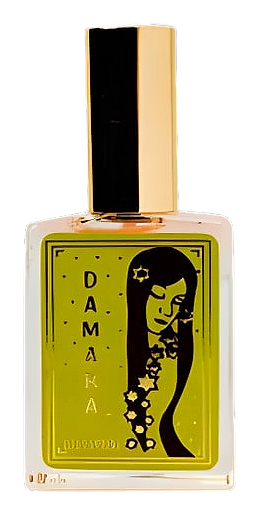
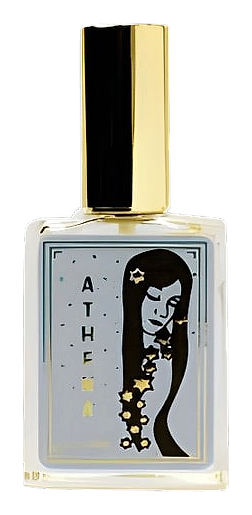
The founding of Lily Lambert in 2007 marked the emergence of a studio model that rejected the typical perfume house trajectory of gradual brand building and heritage marketing. Rather than invoking historical lineages or family traditions, the brand presented itself as a contemporary creative practice from inception. The earliest documented fragrances appeared simultaneously in 2007, suggesting a concept-first approach where multiple compositions were developed in parallel rather than sequentially. The Goddess series arrived in 2009, representing the only documented extension beyond the initial launch collection. This structure implies either a small team working intensively on a unified vision or potentially a single designer developing multiple fragrance concepts within a broader creative framework. The name Lily Lambert combines a floral common name with a surname of British origin, though no confirmed biographical information about the designer has emerged through independent fragrance journalism. The 2007-2009 active period produced 22 distinct fragrance entries, averaging roughly seven releases annually, a pace suggesting either careful curation or rapid concept testing. The subsequent quiet period, with no documented releases after 2009, leaves questions about the brand's current operational status and whether future collections remain under development. The Lily Lambert approach to fragrance centers on systematic exploration rather than emotional storytelling. The Master Number nomenclature, featuring specific integers like 22, 33, and 66, suggests a framework drawing from numerological traditions or mathematical aesthetics. This contrasts sharply with conventional fragrance naming that emphasizes romantic, natural, or aspirational imagery. The Spectrum series reinforces an analytical orientation, treating fragrance development as a spectrum of possibilities to be mapped and categorized. The Goddess collection introduces mythological reference but maintains the systematic naming convention, suggesting these represent archetypal explorations rather than narrative compositions. The inclusion of categories beyond perfumery, including art gallery, jewelry, and alchemy, indicates a studio philosophy where fragrance occupies one expression among several creative disciplines. The alchemy reference particularly suggests interest in transformation and elemental processes, potentially informing an approach to raw material combination that treats fragrance construction as a transmutation practice. Without documented statements from the founder, these philosophical dimensions remain interpretive rather than confirmed.