Heritage
A house, in its own words
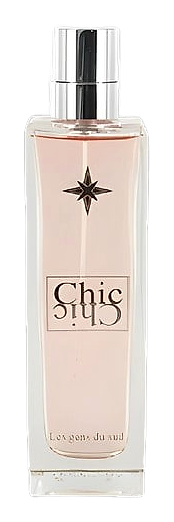
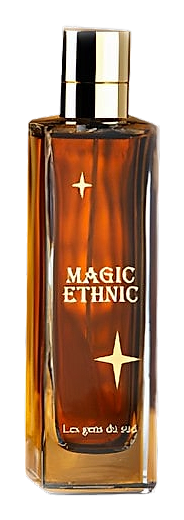
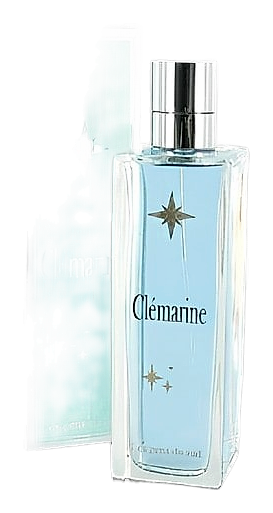
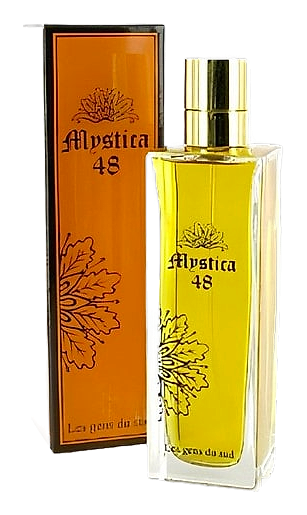
Les Gens du Sud was founded by Jean-Pierre Paul and Yannick Tartrou in Perpignan, a city in the Occitanie region of southern France. The house began as a French jewelry business, placing its identity within the artistic and Mediterranean culture of the region around Roussillon. Its perfume collection emerged from that setting. In 2007, the house introduced Mystica 48, Magic Ethnic, Chic Chic, and Clemarine, four fragrances that established its olfactory vocabulary in a single year. Across those names, the collection reflects the brand’s interest in personality, ornament, color, and evocative imagery. Mystica 48 carries a sense of mystery, while Magic Ethnic and Chic Chic point toward cultural character and elegance. Clemarine gives expression to a familiar citrus fruit through its name. The available source material does not establish an earlier fragrance history, formal perfumery partnerships, or dates for specific production developments. It does, however, provide a clear starting point: Les Gens du Sud grew from jewelry into perfume while remaining rooted in Perpignan and the visual sensibility of southern France. The precision of the 2007 launches offers a useful first chapter in the house’s history, even though a fuller account of later milestones remains outside the supplied record. Les Gens du Sud approaches perfume through the same expressive world that shaped its identity as a jewelry house. Scent is presented not as a separate ritual, but as another form of adornment capable of carrying color, memory, and character. The names of its debut fragrances reveal the collection’s instinct for contrasts. Mystica 48 suggests secrecy and discovery, Magic Ethnic foregrounds cultural identity, Chic Chic introduces a playful form of elegance, and Clemarine draws on the vividness of citrus. Their shared release in 2007 gives the range an exploratory quality, with several distinct moods offered under one house. Perpignan and the wider south of France provide the geographical context for this creative vision. The Mediterranean environment is associated with light, vivid color, aromatic plants, and the meeting of inland and coastal cultures, all themes that suit a house working in both jewelry and fragrance. The available research does not identify a named perfumer for these scents or document a formal sourcing charter. Accordingly, the philosophy is best understood through the brand’s established practice: building fragrance as a form of personal styling, using evocative names and imagery to invite an emotional response rather than define one universal way of wearing scent.