
The Story
Why it exists.
The beginning
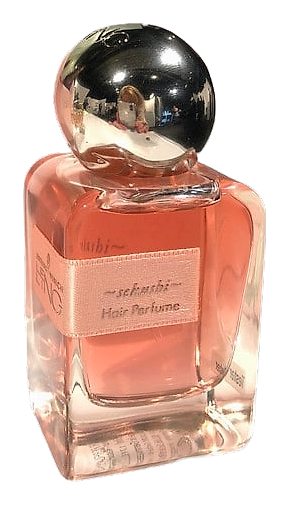
Sekushi takes its name from the Japanese word for seductive, and the fragrance doesn't apologize for it. Where most fruity-leather compositions hedge their bets, this one leans into the contradiction: candyfloss and sweet little fruits provocatively playing with dark leather, as the brand's own copy puts it. The LENG/LING concept at Lengling's core means every fragrance holds opposing forces in tension, and Sekushi is no exception, innocence arguing with something with more teeth. The question the founders seemed to ask wasn't whether these notes could coexist, but what their argument would smell like when it got interesting.
Cotton candy in fine fragrance is a risk. It skews girlish, one-dimensional, disposable, unless something anchors it. Here, that anchor is leather: not polished saddle leather but warm suede, the kind that holds body heat. Frankincense threads through the middle, not to complicate things but to deepen them, adding a resinous whisper that keeps the sweetness from floating away entirely. The apricot and raspberry sit up top like the opening bars of a song you haven't heard yet, bright, promising, slightly knowing. It's the kind of structure that makes you lean in.
The evolution
The opening announces itself immediately: cotton candy dissolving on a tongue that already tastes raspberry. For the first twenty minutes, it's almost aggressively sweet. Then the leather arrives, not a bang but a settling, suede warmth sliding underneath the confection like a bass note you didn't notice until it left. The frankincense follows, smoky and quiet, turning the cotton candy a shade darker. By hour three, the sweetness has receded enough that you smell skin-warm suede, apricot lingering at the edges, musk soft and powdery against the drydown. Long after the initial burst fades, a faint amber-musky warmth remains, clinging to fabric and skin alike. On paper, it leaves a trace worth following back, evidence of a fragrance that refuses to disappear quietly.
Cultural impact
Sekushi arrived with a cotton candy and leather pairing that refused easy categorization. Rather than relegating confectionery notes to predictable contexts, this composition placed them alongside leather and frankincense, inviting wearers to reconsider where sweet accords belong in perfumery. The Extraits de Sentiments collection frames each fragrance as an exploration of emotional territory rather than a response to market trends. Sekushi's approach suggests that sweetness need not be confined to seasonal limitations or conventional expectations.