The Story
Why it exists.
The beginning
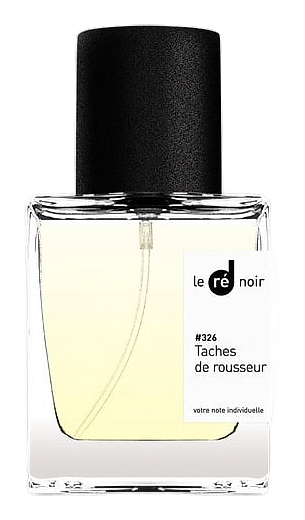
Le Ré Noir's #326 Taches de rousseur arrived in 2019, the work of perfumer Valery Sokolov. The name translates as freckles, and the composition circles that image: something sun-touched, scattered, intimate. Tuberose, water notes, vetiver, tonka bean. Four ingredients. The kind of restraint that looks simple until you smell what's actually happening. The simplicity here is deceptive. Each note takes on weight, the tuberose opening with a fleshy, almost narcotic quality that hints at the indolic warmth tuberose is known for, then cooling as the watery top notes settle in. The vetiver grounds everything with a green, earthy pull, while tonka bean weaves through the base, lending a soft, almost edible sweetness that rounds the composition off.
The unusual move here is letting aquatic notes share a composition with animalic-leaning tuberose. Most aquatics go clean and synthetic; this one carries something warmer underneath, like rain on sun-warmed skin. Vetiver and tonka bean do the anchoring work, giving the water a shadow it wouldn't have otherwise. The vetiver in particular does a lot of heavy lifting, providing a smoky, slightly bitter edge that prevents the floral heart from turning too sweet. Tonka smooths things out, adding a creamy, vanillic warmth that lingers quietly in the background.
The evolution
The first ten minutes read almost entirely aquatic, a thin, cool mist that could pass for a mainstream fresh floral if you weren't paying attention. Then the tuberose surfaces, and it arrives heavy, almost fleshy, with that signature indolic breath that turns sweet into something more complicated. The vetiver eventually moves forward as the top notes fade, and the composition darkens, greens out, as the tonka bean starts warming from underneath. Eventually, the aquatic top becomes a memory. What's left is tuberose and vetiver woven together, with tonka giving it a faint, skin-like sweetness. The composition gradually settles into something denser and more rooted, the green and floral elements taking turns at the surface. The drydown reads warmer and more animalic than the opening ever suggested, the tuberose's indolic facets becoming more prominent once the cool water notes have lifted.
Cultural impact
The aquatic-tuberose pairing places Taches de rousseur in unusual territory. Most fragrances that lean aquatic tend toward clean, uncomplicated compositions, while tuberose often anchors denser, more opulent florals. Finding both notes in the same bottle, supported by vetiver and tonka, creates a tension that gives the scent its particular identity. The result appeals to wearers drawn to combinations that don't fit neatly into established categories, and the four-note formula suggests a deliberate minimalism that stands out in a market saturated with sprawling ingredient lists.