The Story
Why it exists.
The beginning
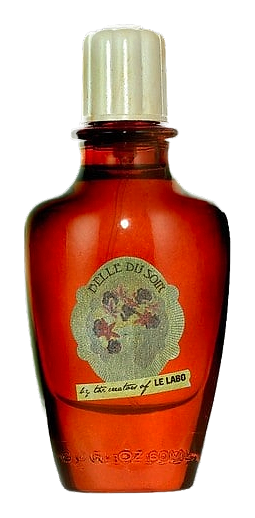
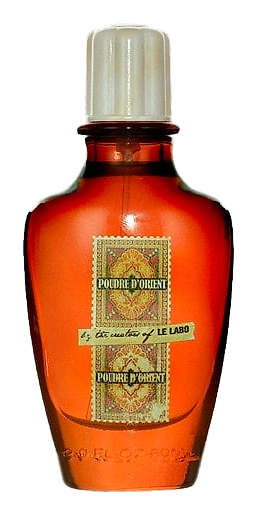
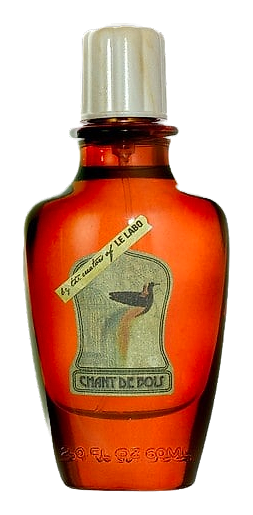
In 2010, Le Labo partnered with Anthropologie to release a collection of five fragrances, each inspired by a different era of perfumery. Chant de Bois, French for 'song of wood,' was the woody-spicy entry. Bergamot and grapefruit opened bright against pink pepper's spice, while Virginia cedar and patchouli anchored the composition in warmth. It arrived in amber pharmacy bottles, hand-blended, made-to-order, like everything Le Labo. The line eventually ended. Chant de Bois, somehow, survived.
What makes this one work is the tension between synthetic and natural. The aldehydes give it that retro metallic lift, a waxy brightness that makes the citrus feel effervescent rather than sweet. Hedione adds a touch of jasmine-floral without announcing itself. Then the cedars and patchouli arrive and do what they do best: ground everything in dry, earthy warmth. It's Le Labo's take on modern woods, clean but not sterile, warm but not heavy. The ambroxan keeps it from getting too dense, adding a skin-like quality that makes the drydown feel close and intimate.
The evolution
The aldehydes announce themselves immediately, sharp, waxy, almost like the smell of a lit match before the flame catches. Bergamot and grapefruit arrive together, their brightness amplified by that aldehydic lift. For the first twenty minutes, this is all citrus and sparkle, the pink pepper just barely threading through with a spice that whispers rather than shouts. Then the hand-off happens. The citrus fades, the woods arrive. Virginia cedar and patchouli settle close to the skin, dry and warm, while the ambroxan adds a clean, almost skin-like finish that lingers without projecting. By the third hour, it's intimate, the kind of scent another person discovers only when they're close enough to notice.
Cultural impact
Chant de Bois was part of a five-fragrance Anthropologie collaboration, each inspired by a different era of perfumery history. It was the woody-spicy entry, a feminine composition that pushed boundaries in its category. The line eventually ended, but this one survived, discontinued yet still sought after by collectors who remember it from those early Anthropologie shelves. It's become a quiet grail: the Le Labo that most people never knew existed.