
    Brand Profile

    Le Frag is a niche perfume house that blends personal memory with contemporary scent craft. Founded by Polish creator Agnieszka Lewandowska,…More

    Poland·Est. 2009·Site

    2.6

    Rating

    6
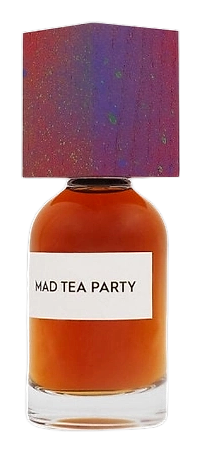
    Mad Tea Party by Le Frag
    2.6

    Mad Tea Party

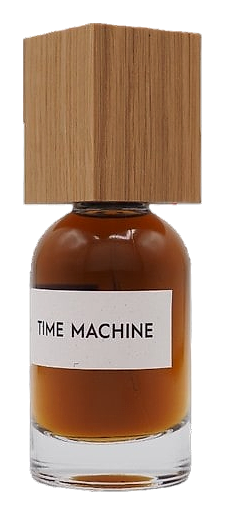
    Time Machine by Le Frag
    Best Seller
    4.0

    Time Machine

    Meluzyna by Le Frag
    Best Seller
    3.7

    Meluzyna

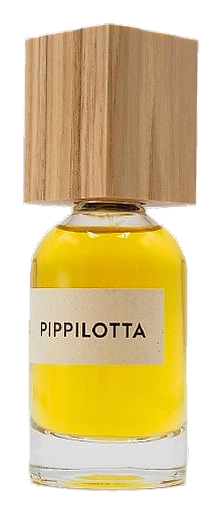
    Pippilotta by Le Frag
    Best Seller
    3.5

    Pippilotta

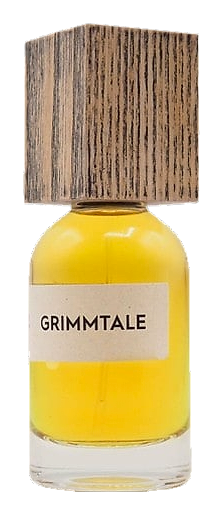
    Grimmtale by Le Frag
    3.5

    Grimmtale

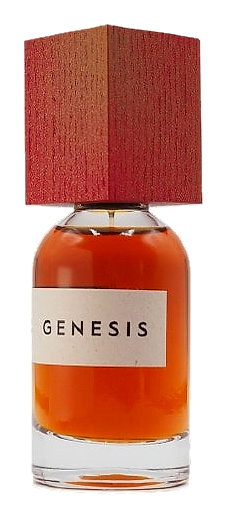
    Genesis by Le Frag
    3.2

    Genesis

    The Heritage

    The Story of Le Frag

    Le Frag is a niche perfume house that blends personal memory with contemporary scent craft. Founded by Polish creator Agnieszka Lewandowska, the brand translates stories from Warsaw’s Saska Kępa district into aromatic narratives that unfold on the skin. Each launch – from Genesis in 2021 to Time Machine in 2024 – offers a distinct olfactory chapter, inviting collectors to explore a world where scent meets storytelling.

    Heritage

    Agnieszka Lewandowska grew up in the Saska Kępa neighbourhood of Warsaw during the 1980s, a period marked by cultural shifts and vibrant street life. She recalls wandering the city’s markets, absorbing the mix of incense, fresh pastries and rain‑kissed cobblestones. In 2009 she relocated to Barcelona, a city whose artistic pulse and access to Mediterranean raw materials sparked a deeper curiosity about fragrance composition. While living in Spain, Lewandowska began experimenting in a modest home studio, blending essential oils and natural extracts she sourced from local farms and specialty suppliers. By 2010 she had assembled a small portfolio of scents that reflected her dual heritage – the nostalgic tones of Eastern Europe and the sun‑lit clarity of the Mediterranean. The first public release, Genesis (2021), arrived after several years of private testing and word‑of‑mouth interest among boutique retailers. The brand’s early years were defined by a commitment to limited production runs, ensuring each bottle retained the intimacy of a handcrafted piece. Over the next few years, Le Frag expanded its catalogue with releases such as Pippilotta (2021), Meluzyna (2022), Grimmtale (2022), Mad Tea Party (2023) and Time Machine (2024). Each fragrance marks a milestone in the house’s evolving narrative, illustrating a trajectory that moves from personal recollection to broader cultural commentary. Though the brand remains relatively young, its founder’s background in Warsaw and Barcelona continues to shape its identity, anchoring Le Frag in a cross‑cultural dialogue that celebrates both memory and innovation.

    Craftsmanship

    Production at Le Frag occurs in small batches, a practice that the founder believes preserves the integrity of each formula. Ingredients are sourced from a network of European growers, many of whom practice organic or biodynamic methods. For example, the citrus notes in Mad Tea Party are reportedly derived from Sicilian lemons harvested in the early morning to capture peak aromatic potency. The brand works with independent laboratories that specialize in natural extraction, ensuring that processes such as steam distillation and cold‑pressing retain the original character of the raw material. Quality control involves multiple sensory evaluations by the founder and a select panel of perfumery professionals before a fragrance reaches market. Bottles are hand‑filled in a workshop located in Barcelona, where temperature and humidity are monitored to prevent premature oxidation. The packaging employs recycled glass and minimalist caps made from responsibly sourced wood, reflecting the house’s commitment to environmental stewardship. While the brand does not disclose exact production volumes, it consistently limits each release to a few thousand units, reinforcing the notion of exclusivity through scarcity rather than marketing hype.

    Design Language

    Visually, Le Frag embraces a minimalist aesthetic that mirrors its scent philosophy. Bottles feature clear glass with slender, tapered silhouettes, allowing the perfume’s colour to become the focal point. Labels are printed on matte white paper, bearing only the fragrance name in a simple sans‑serif typeface and the year of release. The brand’s logo, a subtle stylized feather, appears embossed on the cap, hinting at the notion of lightness and memory. Promotional imagery often depicts urban landscapes juxtaposed with natural elements, echoing the founder’s upbringing in Warsaw and later immersion in Barcelona’s coastal environment. Color palettes for each launch are chosen to reflect the fragrance’s character – for instance, Time Machine uses a muted teal hue to suggest futurism, while Pippilotta employs a soft pastel pink that evokes childhood nostalgia. Store displays are curated with reclaimed wood shelves and soft, diffused lighting, creating an intimate setting where visitors can explore the scents without distraction. The overall visual language is restrained yet purposeful, reinforcing the idea that the perfume itself should speak louder than any decorative excess.

    Philosophy

    Le Frag approaches perfumery as a form of personal storytelling. The founder emphasizes authenticity, stating that each scent should act as a memory trigger rather than a generic trend. The brand values transparency in ingredient selection, preferring natural extracts that can be traced to their origin. Sustainability is a guiding principle; sourcing decisions aim to support small producers and minimize ecological impact. Creative freedom is encouraged through collaborations with independent artisans, allowing the house to experiment with unconventional accords while maintaining a coherent narrative voice. The label also seeks to foster a community of scent enthusiasts who appreciate the dialogue between past and present, encouraging collectors to share their own interpretations of each fragrance. This philosophy reflects a broader belief that perfume can serve as a bridge between individual experience and collective culture.

    Key Milestones

    2009

    Agnieszka Lewandowska moves to Barcelona and begins home‑studio experiments

    2021

    Launch of Genesis, the brand’s first public fragrance

    2022

    Release of Meluzyna and Grimmtale, expanding the narrative collection

    2023

    Mad Tea Party debuts, showcasing a Mediterranean citrus profile

    2024

    Time Machine arrives, marking the latest evolution of the house’s storytelling approach

    At a Glance

    Brand profile snapshot

    Origin

    Poland

    Founded

    2009

    Heritage

    17

    Years active

    Collection

    1

    Fragrances released

    Avg Rating

    2.6

    Community sentiment

    Release Rhythm

    2024
    1
    2023
    1
    2022
    2
    2021
    2
    lefrag.com

    Did You Know?

    Interesting Facts

    Distinctive details and defining moments that shape the house personality.

    01

    The founder’s childhood neighborhood, Saska Kępa, is known for its artistic community, a influence that appears in many fragrance concepts.

    02

    Le Frag’s bottles are hand‑filled in a Barcelona workshop that maintains a constant temperature of 18 °C to protect volatile notes.

    03

    The citrus component in Mad Tea Party is sourced from a family‑owned orchard in Sicily that has been cultivating lemons for three generations.

    04

    Each fragrance name is chosen to reference a specific memory or literary source, a practice that the founder describes as ‘scented storytelling.’

    The Artisans

    The Perfumers