
The Story
Why it exists.
The beginning
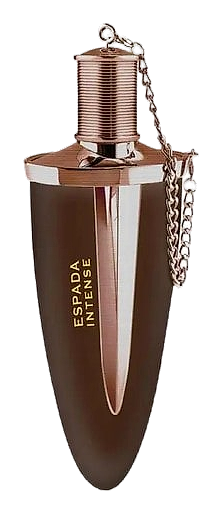
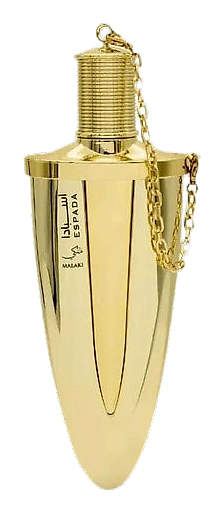
Espada Malaki arrived in 2023, and the name carries weight: 'Espada' for the blade, 'Malaki' for what belongs to royalty, a pairing that frames the fragrance as both weapon and heirloom. The composition itself reads as a study in contrasts, saffron and jasmine opening the door before hardwood structure takes over underneath. The saffron lands hot, almost metallic, the kind of note you feel on the collar before you smell it on the wrist. Jasmine threads through the opening, white and slightly cool, lifting the saffron without smothering it, keeping the first impression from tipping into aggression. Beneath those top notes sits an architecture of resin and cedar, the kind of base that gives the drydown its weight and keeps everything upright as the hours pass.
What makes this composition worth noticing is its restraint with oud. Rather than reaching for the heavy Arabian oud template, Espada Malaki builds its center on amberwood, a drier, more architectural choice that reads warmer than smoky. The saffron is a statement, not a whisper, and it announces itself within the first few minutes of wear. The jasmine doesn't go indolic or syrupy; it stays clean and lifts the saffron rather than smothering it, creating an opening that feels bright despite the warmth underneath.
The evolution
The first 20 minutes belong to saffron. Not the dusty, threadlike saffron of subtle compositions, but a hot, almost metallic saffron that announces itself from the collar up. Jasmine threads through it, white and slightly indolic, softening the metallic edge without erasing it, and the combination reads as deliberate rather than accidental. That opening is the loudest the fragrance gets, and it fades with intention, stepping back to let the warmer notes take over. By the 45-minute mark, amberwood takes the lead. It reads as warm hardwood, not the syrupy amber of Middle Eastern gourmands, and there's a dryness to it that keeps the composition from going sweet. The resin hasn't fully arrived yet, but you can feel it building underneath, a low hum beneath the amberwood's warmth. By hour two, the saffron has stepped back to a supporting role.
Cultural impact
Espada Malaki has drawn comparisons to Creed Royal Oud within fragrance communities, and the comparison is worth unpacking. Both compositions work in a similar register, warm woods, a measured dose of sweetness, and a saffron-tinged opening, but Espada Malaki's drydown runs drier, more architectural, less reliant on the creamy lactonic qualities that round out the Creed. The resin here reads closer to clean cedar than to church incense, and the amberwood gives the base a warmth that feels structural rather than syrupy.