The Story
Why it exists.
The beginning
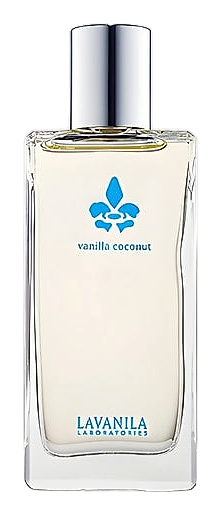
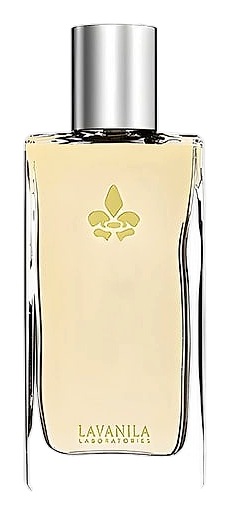
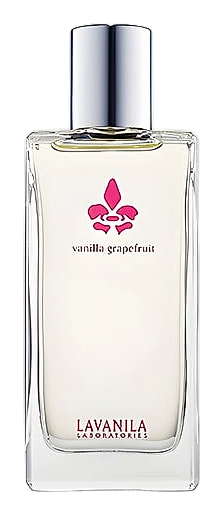
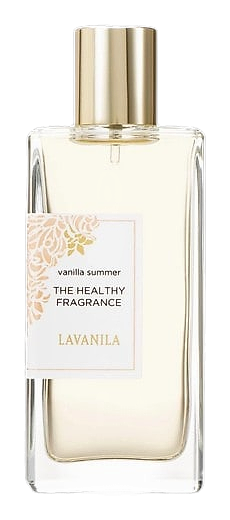
Vanilla Summer arrived in 2012 as part of Lavanila Laboratories' ongoing exploration of what vanilla could be when freed from its predictable sweet-tooth reputation. Rather than positioning vanilla as dessert, the house paired it with the lush, sun-heavy notes of mango, pineapple, and coconut milk, ingredients that evoke a specific kind of tropical heat without tipping into synthetic territory. The fragrance wasn't trying to recreate a memory of summer so much as bottle the sensation of it: the sticky-sweet humidity of a place where fruit grows year-round and evenings smell like warm skin. It joined a collection that already included citrus-vanilla, floral-vanilla, and fresh-green vanilla interpretations, but Tropical-vanilla was its own distinct territory, one that most fragrance houses approach with either too much restraint or too much syrup.
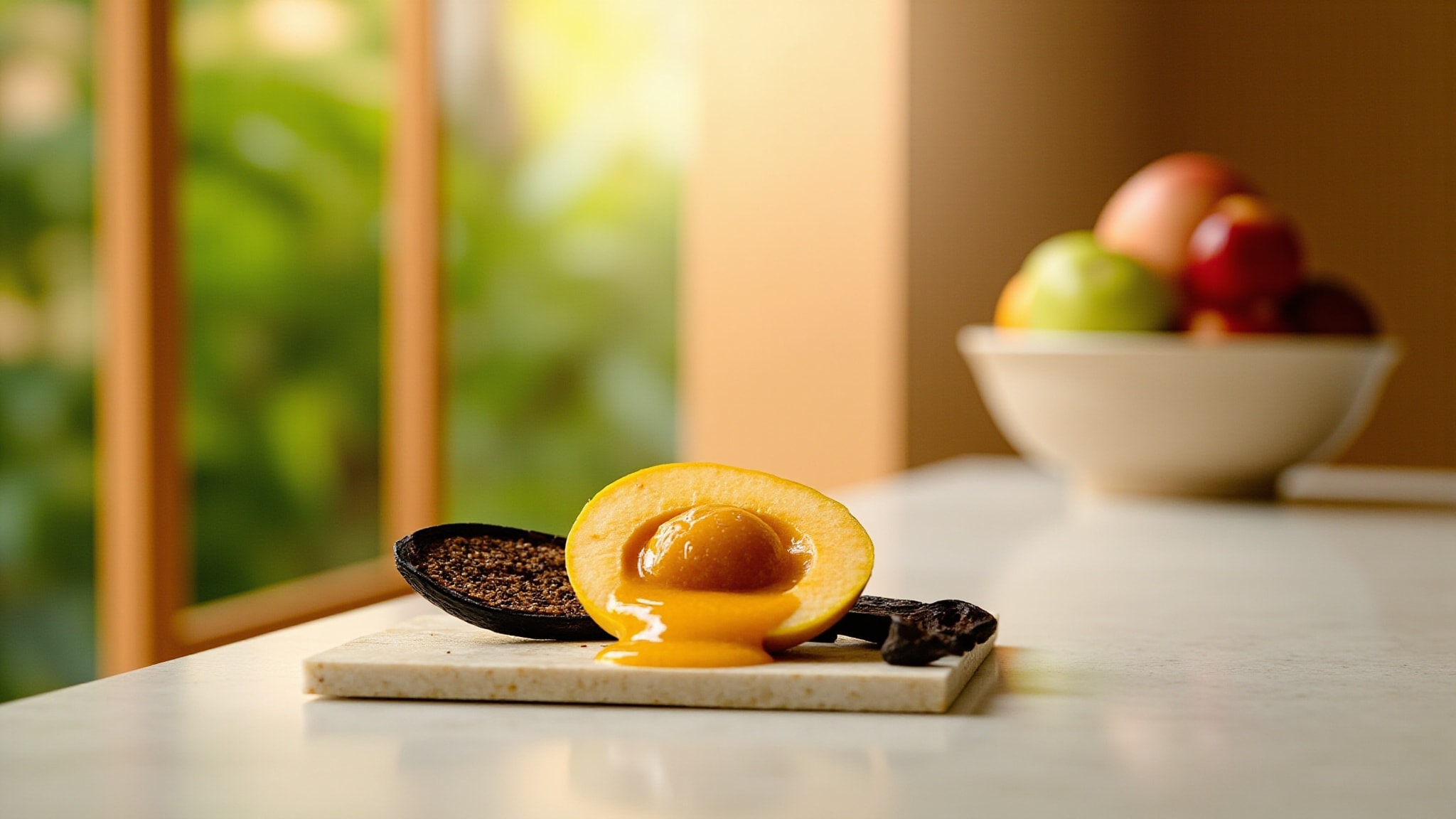
What makes Vanilla Summer worth noting isn't just its tropical fruit character, it's the way those fruits are handled. Mango can easily go artificial, pineapple can read as cleaning product, coconut milk can collapse into sunscreen. The composition avoids all three traps by keeping the tropical notes anchored in creaminess from the start. Coconut milk isn't a sharp coconut note here, it's the milky, slightly sweet undertone that softens the mango's edges and gives the pineapple something to rest against. The result reads as lush rather than loud, tropical without the synthetic shimmer that plagues most beach-inspired fragrances.
The evolution
The opening hits fast and bright, mango arrives juicy, pineapple cuts through with just enough tartness to feel alive, not candied. Within minutes the coconut milk smooths everything into something softer. The transition isn't dramatic; tropical notes don't fade so much as deepen, settling against the vanilla like late-afternoon light on skin. By the second hour, the vanilla has taken over, not gone, but changed. The mango is gone, the pineapple is a memory, the coconut milk has become the background warmth of the composition. This is where the fragrance earns its name: summer at the end of the day, when the heat has softened and you're left with warmth and the faint sweetness of something you can't quite place. On fabric, the vanilla base can hold into the next morning, faint but present, like sand in a suitcase you haven't unpacked yet.
Cultural impact
Vanilla Summer sits at an interesting intersection: it arrived during a period when tropical fragrances were experiencing a quiet renaissance, with consumers seeking scents that evoked warmth and escape without the heavy Gourmand sweetness that had dominated the previous decade. Unlike many tropical fragrances that leaned on coconut as a single defining note, Vanilla Summer spread its tropical identity across multiple materials, mango, pineapple, coconut milk, sugar cane, and let vanilla be the unifier rather than an afterthought. The fragrance found its audience among people who wanted summer without smelling like they were trying to, and it maintained a loyal following even after its discontinuation.