The Story
Why it exists.
The beginning
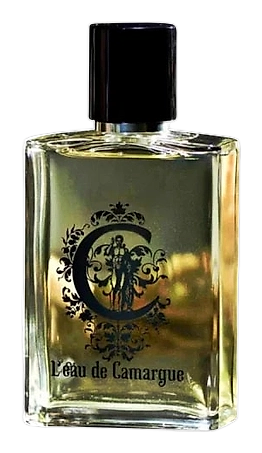
The Camargue, a delta where the Rhône meets the Mediterranean, is a landscape of extremes: salt marshes, flamingos, and wind-bent reeds. In 2012, perfumer Marie Duchêne set out to translate this raw ter rain into a fragrance for La Parfumerie Arlésienne, a house founded that same year in Arles to capture Provençal places as wearable memories. Rather than reaching for complexity, Duchêne chose restraint. She built the scent around three materials that she felt captured the Camargue's honest character: vetiver for its mineral earthiness, musk for the salt-tinged air, and amber for the warmth of the region's frequent sunshine. The result was a fragrance that functions more as a landscape impression than a conventional perfume, stripping away pretense to let the marsh's essential qualities speak directly to the wearer.
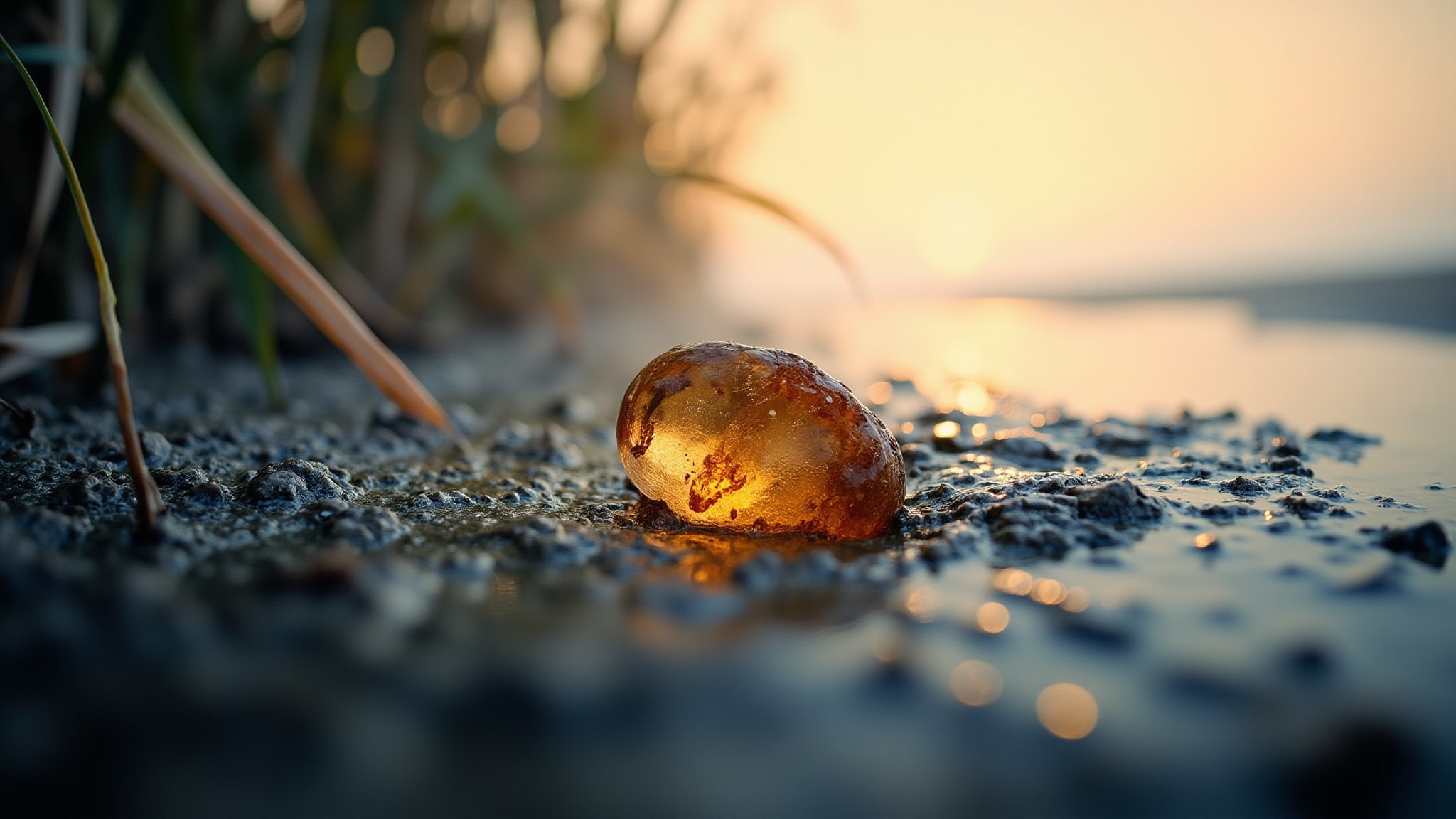
The choice to center l'eau de Camargue on three notes was deliberate, reflecting a philosophy that the landscape itself demands clarity. In the Camargue, the eye sees few colors, the nose detects few extremes, but what exists there exists with conviction. Vetiver, Musk and Amber each carry this sense of directness. They are materials with clear identities, and Duchêne saw no reason to mask them with additional complexity. The three notes work in concert to suggest the place without reproducing it exactly, a translation rather than a transcription. The vetiver whispers of wet earth; the musk evokes the skin's response to salt air; the amber holds the warmth that the marshes absorb under a relentless sun.
The evolution
The scent opens as the marsh does at dawn, with vetiver asserting its presence immediately, its cool green rootiness cutting through like the first sight of water between the reeds. There is no delay, no prelude; the heart arrives as the opening. Musk enters quietly alongside, adding a skin-like softness that feels almost physical, as if the fragrance is breathing. Amber follows, not in a wave but in a gentle swell, its warmth blending into the green and the soft until the three notes exist in equilibrium. Over the following hours, the composition settles into itself. Vetiver remains present but its edges soften. The musk deepens, becoming more Intimate, while amber persists as a quiet thread of sweetness that holds the whole structure tog ether. By the time the fragrance has fully settled, the three notes have merged into a single, coherent impression that feels less like perfume and more like a memory of the landscape it represents.
Cultural impact
Since its 2012 debut, l’eau de Camargue has been noted for its uncanny resemblance to Velvet, earning it a reputation as a more affordable, nature‑centric counterpart. Wearers often cite its ability to evoke the salty, sun‑baked marshes of southern France, making it a go‑to scent for those seeking a grounded, Mediterranean vibe without the overt gourmand trends of the decade.