

The Heritage
The Story of La Parfumerie Arlesienne
La Parfumerie Arlésienne is a French niche house that translates the light of southern Provence into scent. Founded in June 2012, the brand releases small collections that echo the wetlands of the Camargue, the stone streets of Arles and the fragrant fields of the Baux. Each bottle invites the wearer to wander the Mediterranean landscape without leaving home.
Heritage
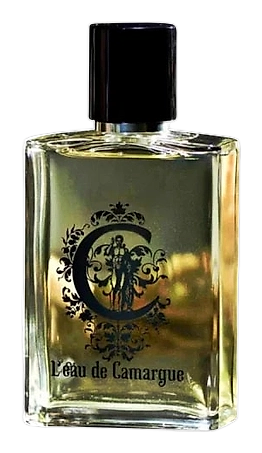
The story begins in the summer of 2012 when a group of Arles‑based entrepreneurs opened a boutique dedicated to artisanal perfume. They recruited Marie Duchêne, a perfumer with a background in natural aromatics, to serve as the creative nose. Duchêne’s first commission was a trio of fragrances released that year: l’eau de Camargue, l’Eau d’Arles and Fortunette des Baux. The scents were formulated on the premise that a single spray could capture a place – the salty mist of the Camargue marshes, the sun‑warmed stone of Arles, and the wild rosemary of the Baux plateau. Local press noted the brand’s commitment to sourcing ingredients from the surrounding Provençal countryside, a practice that set it apart from many Paris‑based houses that rely on imported absolutes. In 2014 the original Arles shop expanded to include a small laboratory where batches are mixed by hand, allowing the team to adjust each formula in response to seasonal variations in raw material quality. The following years saw the brand reach beyond its regional roots. In 2016 a sister boutique opened in the United States under the direction of Viktoriya, a former fragrance buyer who wanted to introduce American collectors to the Arlesian aesthetic. The U.S. outpost kept the same curation standards, importing each bottle directly from the French workshop. Sustainability entered the conversation in 2020 when La Parfumerie Arlésienne announced a shift to recyclable glass and biodegradable caps. The move was accompanied by a partnership with a local cooperative that supplies organically grown lavender and thyme, ensuring that the supply chain remains tied to the Provençal terroir. By 2022 the house celebrated its tenth anniversary with a limited edition reinterpretation of l’Eau d’Arles, using a higher proportion of wild-grown citrus peels harvested from orchards that practice regenerative agriculture. The milestone reinforced the brand’s reputation for blending place‑based storytelling with meticulous craftsmanship, a formula that continues to attract collectors who value authenticity over hype.
Craftsmanship
Production takes place in a modest workshop on the outskirts of Arles. Raw materials arrive in small crates, each sealed with a handwritten note from the farmer. The team conducts a sensory evaluation of every batch before it enters the mixing room, a step that ensures consistency while honoring natural variation. Marie Duchêne designs the formulas using a blend of classic French perfumery techniques and contemporary green chemistry. She favors cold‑press extraction for citrus notes, a method that preserves volatile compounds without the need for solvents. For the herbal accords in Fortunette des Baux, she employs steam distillation of wild rosemary harvested at dawn, a time when the plant’s essential oil content peaks. Once the oil blend is finalized, it is diluted to a 15‑20 % concentration in a carrier of organic ethanol sourced from French vineyards. The mixture rests in stainless steel vats for a period ranging from three weeks to two months, depending on the fragrance’s structure. During this maceration, the house monitors temperature and humidity to avoid oxidation. Bottling occurs on a dedicated line where glass vessels are rinsed with distilled water and dried in a laminar flow cabinet. Each bottle receives a hand‑applied label printed on recycled paper with soy‑based ink. Caps are crafted from sustainably harvested oak, sanded by local artisans who imprint a subtle grain pattern that mirrors Provençal stonework. Quality control includes a final olfactory assessment by Duchêne and two independent testers. Only batches that meet the house’s sensory criteria proceed to market. The brand also conducts periodic laboratory analyses to verify that the concentration of key aromatics stays within the intended range, ensuring that the consumer receives the same experience whether the perfume is purchased in Arles or abroad.
Design Language
The visual language of La Parfumerie Arlésienne echoes the soft palette of southern France. Bottles are clear, rounded, and capped with brushed oak that catches the light like sun‑warmed timber. Labels feature a minimalist illustration of the fragrance’s source – a stylized Camargue reed, a silhouette of the Arles amphitheatre, or a sprig of wild rosemary – rendered in muted ochre, sage and terracotta tones. Typography is restrained: a classic serif typeface set in all caps, spaced to convey calm. The brand’s logo incorporates the accent aigu over the first "e" in Arlésienne, a nod to the French pronunciation and to the region’s linguistic heritage. Packaging boxes are made from recycled cardboard, printed with a matte finish that feels like parchment. Inside, a thin tissue of recycled paper bears a short poem about the landscape that inspired the scent, adding a literary touch that aligns with the house’s storytelling ethos. In retail spaces, the brand displays its bottles on reclaimed wooden shelves, surrounded by potted lavender and small jars of sea salt, creating a sensory vignette that mirrors the fragrances themselves. The overall aesthetic balances elegance with approachability, inviting both seasoned collectors and curious newcomers to explore the scents of Provence.
Philosophy
La Parfumerie Arlésienne builds each fragrance around a single geographic reference. The creative brief asks: what does the wind sound like over the Camargue? What scent does the stone of the Roman arena release at noon? This place‑first approach guides every decision, from ingredient selection to packaging. The brand believes that perfume should act as a memory trigger, a portable fragment of a landscape. It therefore favors natural extracts that retain the nuance of their origin. For example, the l’eau de Camargue composition includes a distillate of brackish water collected during low tide, a practice documented by the regional tourism office. Transparency is another pillar. Ingredient lists are published on the website, and the source of each botanical is noted. When a harvest fails, the house openly communicates the impact on the final scent, opting to delay release rather than substitute with synthetics. Community involvement rounds out the philosophy. The brand supports local festivals in Arles, sponsors workshops on traditional perfume making, and collaborates with regional artisans who craft the wooden caps and hand‑stitched labels. These actions reflect a belief that a fragrance is more than a solitary experience; it is part of a living cultural ecosystem.
Key Milestones
2012
Launch of La Parfumerie Arlésienne in Arles; debut of three fragrances: l’eau de Camargue, l’Eau d’Arles, Fortunette des Baux.
2014
Opening of in‑house laboratory for small‑batch production and quality testing.
2016
Establishment of La Parfumerie Arlésienne boutique in the United States, expanding the brand’s international presence.
2020
Introduction of recyclable glass bottles and biodegradable caps; partnership with local organic lavender cooperative.
2022
Release of limited‑edition reinterpretation of l’Eau d’Arles using higher‑grade citrus peels from regenerative orchards.
At a Glance
Brand profile snapshot
Origin
France
Founded
2012
Heritage
14
Years active
Collection
1
Fragrances released
Avg Rating
4.7
Community sentiment


