The Story
Why it exists.
The beginning
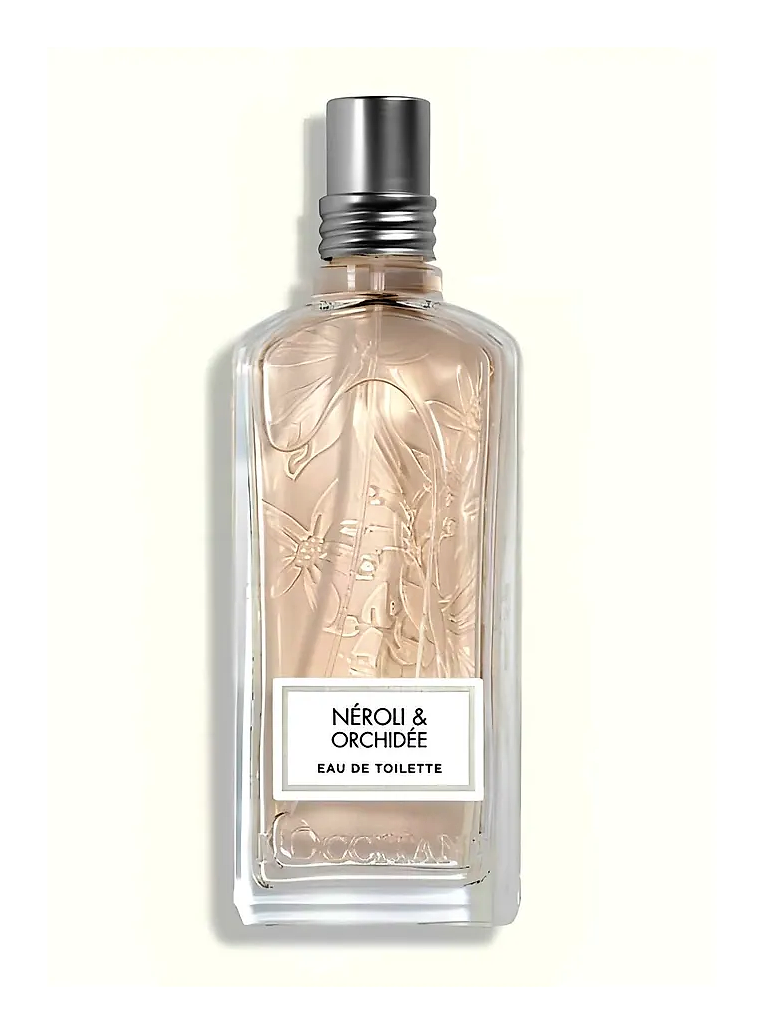
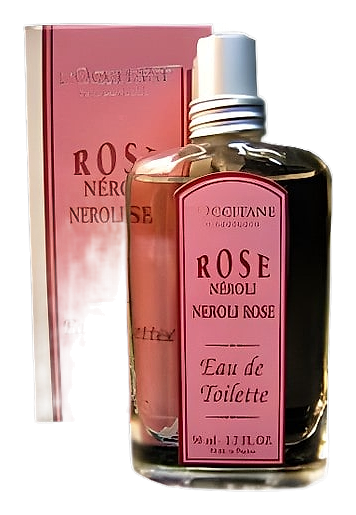
Rose Neroli arrived in 1999 as L'Occitane's exploration of a Mediterranean truth: the rose and the citrus grove grow together along the French Riviera, their fragrances blending in the warm coastal air. The name says everything, Rose and Neroli, the garden and the grove, in one bottle. L'Occitane's perfumers of that era were drawn to the tension between these materials: neroli's cool, slightly bitter citrus brightness against rose's soft, warm petals. The composition threads petitgrain through the middle, an early distillation from orange tree leaves, to keep the florals grounded in something green and honest rather than abstracted into pure sweetness. It became one of the house's defining floral statements, built on the idea that a fragrance can be both fresh and warm without contradiction.
The genius of rose and neroli is that neither overshadows the other. Neroli brings its cool, almost waxy citrus character, the scent of orange blossom on a Mediterranean hillside, white petals with a faint bitter edge and a honeyed undertone. Rose brings warmth, texture, the weight of petals rather than just their fragrance. Together, they create something that reads as neither purely fresh nor purely warm. It's the balance that matters. Petitgrain, green, slightly bitter, woody, keeps both honest, reminding the wearer these are real botanicals. The base of Virginia cedar and amber adds warmth and longevity, but subtly, like the memory of sunlight on stone hours after sunset.
The evolution
The opening announces itself quickly, neroli's cool, sparkling quality bright and immediate, the petitgrain adding a green-woody bitterness that prevents anything too sweet. This phase lasts maybe 20 minutes, a brief moment of citrus-floral clarity before the rose takes over. The heart is where Rose Neroli earns its name. Rose and African orange flower bloom together, the orange blossom adding depth and a slightly animalic warmth that gives the florals presence without weight. Fruity notes, subtle, not sugary, round the edges. This is the longest phase, stretching across hours. The drydown settles into cedar and amber, dry, woody, warm without being heavy. The amber adds a resinous softness that lingers close to the skin. Moderate sillage. The fragrance doesn't announce itself loudly; it waits to be discovered.
Cultural impact
Rose Neroli has developed a quiet cult following over its years, with wearers drawn to its honest, botanical character, the way it smells like a person rather than a performance. Discontinued but not forgotten, it remains sought after by those who discovered it and those who wish they had. Its accessibility, both in price and in its refusal to be complicated, is part of its appeal. It occupies a specific niche: the floral-fresh fragrance that doesn't try to be anything other than exactly what it is.