The Story
Why it exists.
The beginning
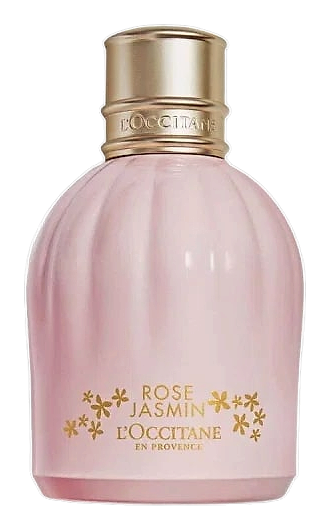
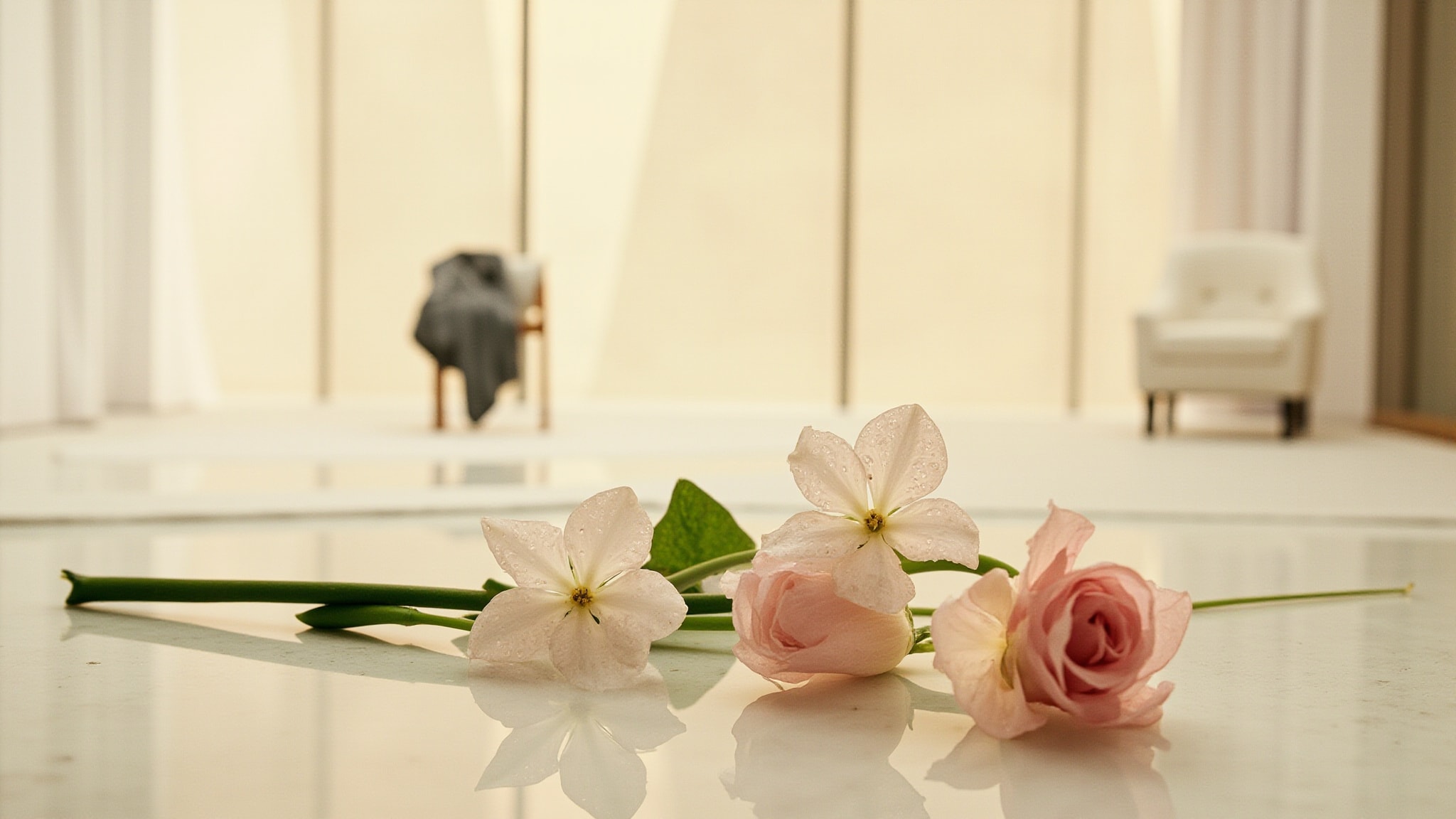
Rose Jasmin arrived in 2021 as L'Occitane's study in what two flowers can say when you strip everything else away. Not a complicated brief. Just jasmine and rose, grown in the Provençal tradition the house has built its identity around since 1976. The perfumer's task was to let them speak without interference, no heavy base drowning them out, no synthetic lift making them louder than they needed to be. What emerged is a fragrance that reads like a morning in the fields, before the heat arrives.
What makes this structure interesting is the restraint. Jasmine and rose are both materials that can easily tip into opulence, creamy, almost indolic, heavy in the room. Here, the lemon and pink pepper work as a corrective, keeping the florals bright and clean rather than saturated. The pink pepper especially does something unusual: it adds spice without warmth, a clean lift that stops the jasmine from feeling too rich. White musk at the base isn't just a fixative, it's the reason the drydown stays close and intimate rather than throwing.
The evolution
The first minutes belong to lemon. Sharp, immediate, gone in under five. Then jasmine steps in and stays, a creamy, white floral warmth that builds for the next twenty minutes while the pink pepper threads through, adding that clean spice. By the half-hour, the rose arrives. Not heavy. Not jam-like. Dewy and fresh, as if it was just cut. The hand-off between jasmine and rose takes time; for a while they overlap, jasmine's richness meeting rose's brightness. Then the florals begin to recede, and the white musk takes over, the part that lingers. By hour three, it's skin-close. The woody notes add just enough weight to keep it from disappearing entirely. On fabric, the rose stays detectable for a full day.
Cultural impact
Rose Jasmin occupies a specific lane: the fresh, accessible floral for someone who wants botanical authenticity over performance. The house's global reach means this scent reaches markets where L'Occitane's Provençal positioning reads as both heritage and aspiration, romantic without being precious, natural without being skanky. Wearers gravitate to it for everyday use precisely because it doesn't demand attention.