
The Story
Why it exists.
The beginning
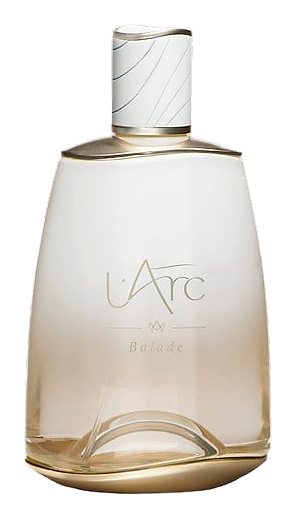
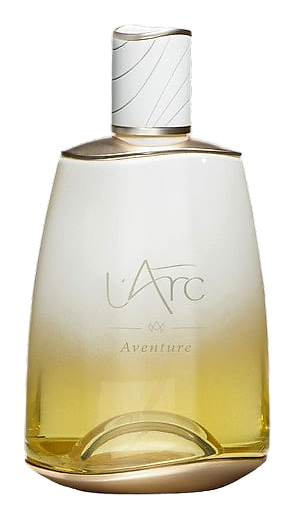
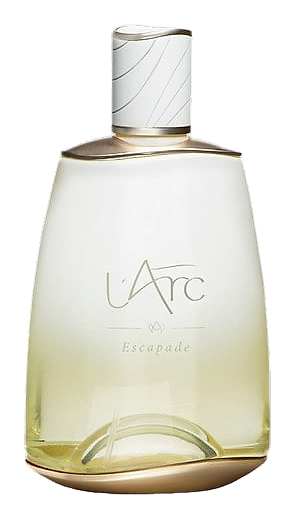
Escapade Vanille des Îles began with a perfumer's memory. Jean-Claude Astier carried with him the sensory record of the French-colonized Antilles, vanilla pods curing in island heat, acres of roses nodding under a Caribbean sun. The brief from L'Arc was simple: translate a journey into scent. Astier's interpretation chose not the postcard version of those islands but the lived one. Peach arrived first, bright and mouthwatering, a nod to the fruit that grows wild along island roads. Rose and vanilla followed, inseparable by the time they reached the drydown. The result is an escape that smells like the act of remembering a place, not visiting it for the first time.
What makes this composition unusual is its restraint. Vanilla as a material tends toward statement, it announces itself, fills spaces, demands attention. Here, Astier treats it differently. Paired with rose in a French olfactory tradition and anchored by a musk that whispers rather than projects, the vanilla becomes background warmth rather than foreground spectacle. The peach top note lasts only minutes, but its sweetness primes the nose for everything that follows. It's a lesson in how little perfume can still say enough.
The evolution
The opening announces itself gently, a bright, slightly green peach that reads as the first bite of fruit rather than a candy simulation. Within twenty minutes, rose moves in and softens everything. The transition is seamless, the way afternoon light changes without a visible shift. The heart holds for three to five hours: rose and vanilla in quiet conversation, powdery at times, sweet without syrup. There is no dramatic turn. The drydown arrives as a deepening rather than a reveal, vanilla settles, musk surfaces as a skin-close warmth that reads as warmth rather than as a note. Moderate sillage throughout. Six to eight hours of presence on most skin, intimate to the end.
Cultural impact
The 2013 debut of Escapade Vanille des Illes arrived during a pivotal moment in niche perfumery, when independent fragrance houses began challenging the dominance of designer and luxury brands. L'Arc positioned this scent as a meditation on colonial memory and sensory nostalgia, using the vanilla and rose cultivation of the French-colonized Antilles as its narrative foundation. The minimalist four-note structure represented a deliberate departure from the maximalist approach that characterized much of the era's niche offerings. This composition contributed to the broader conversation about simplicity and restraint in fragrance design.