The Story
Why it exists.
The beginning
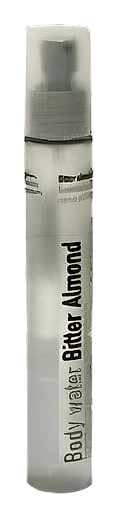
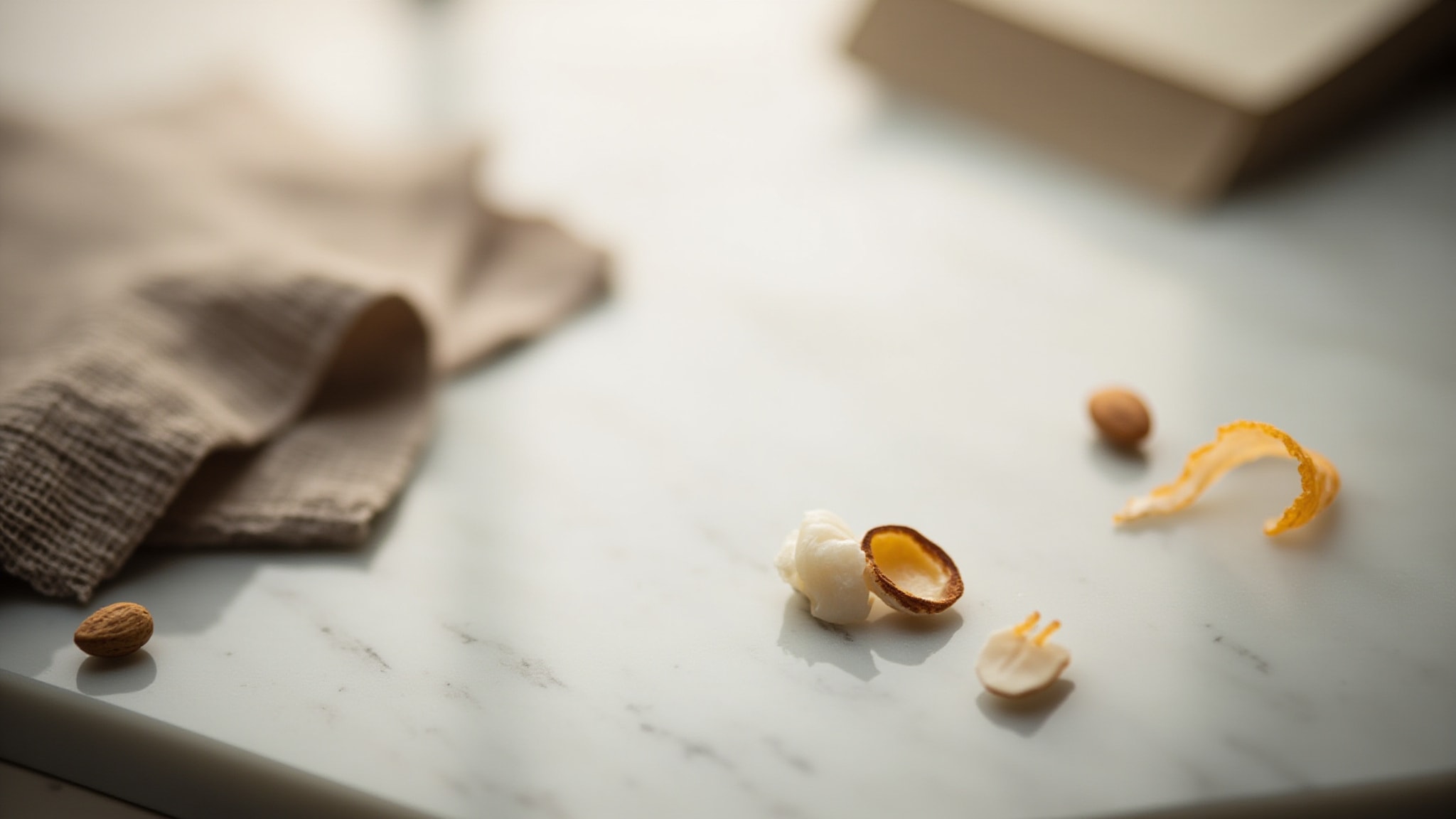
Lena Korres composed this in 2005. The brief was simple and disciplined: three notes, one idea. Bergamot to cut the air. Bitter almond as the whole story. Musk to keep it close to skin. The choice of almond, bitter rather than marzipan-sweet, signals a preference for raw botanical character over dessert-coded warmth. Nothing here pretends to be gourmand. The almond reads as nut, stone, and a cool vegetal hush, more like cracked shells than confection. There's a quiet austerity to the way it sits on the skin, a dryness that feels deliberate rather than accidental, the kind of scent that asks you to lean in rather than announce itself across a room.
Three-note compositions are a particular kind of courage. There's nowhere to hide. Bergamot brings the brightness that keeps the almond from feeling heavy, a citrus snap that acts like window light across a room. The almond carries the weight alone, powdery and faintly herbal, holding the center of the composition through every phase of the wear. Then musk arrives underneath everything, not as a base in the traditional sense, but as a veil, a soft, skin-like haze that softens the almond's edges and pulls it closer. What makes this composition work is the restraint of its architecture.
The evolution
On skin, the bergamot opens bright and almost clinical, a single burst that lasts under 15 minutes. It doesn't linger or tease. It's there, then it's not. The almond takes over completely by the 20-minute mark, and it stays. Not loud, not projecting, but persistent. On fabric it lingers for hours past what the skin reveals, a faint marzipan-tinged softness on a wool collar or a cashmere scarf. By the third hour, the musk has woven itself through the almond so thoroughly that they become one thing, a skin-scent that reads warm and slightly sweet without ever announcing itself. Six hours in, what's left is a whisper. Powdery, almond-skin musk, the kind of trace you'd catch on someone leaning close. It doesn't project at this stage. It just stays.
Cultural impact
Bitter Almond landed at a moment when minimalism in fragrance was starting to feel less like a trend and more like a permanent shift. Three notes, no modifiers, no architectural flourishes. The scent committed to its idea from the first spray and never wavered, a discipline that feels increasingly rare in a market saturated with compositions chasing complexity for its own sake. What makes the fragrance notable is how it handles the almond note. Where most houses treat almond as a pathway to gourmand territory, marzipan, praline, the warm dessert-coded expressions of the note, this one refuses the detour entirely.