
The Story
Why it exists.
The beginning
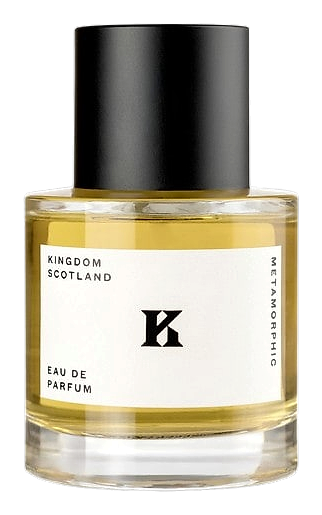
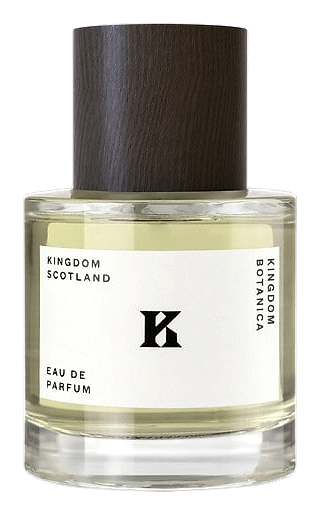
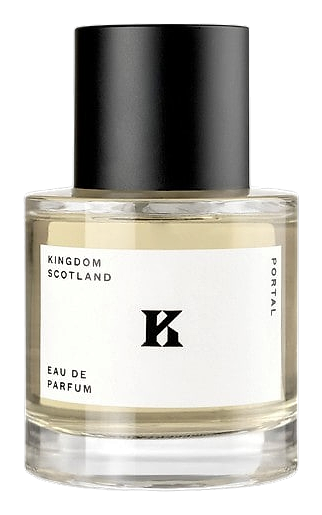
Portal was born from Kingdom Scotland's founding moment, designed to evoke the Caledonian forest in spring, a place of deep green, filtered light, and the smell of things that have been growing for centuries. The name itself is a threshold: the idea that fragrance can transport you somewhere real, somewhere specific, somewhere you've never been but somehow recognize. The scent captures the particular quality of light through dense tree cover, the way air feels different when surrounded by old growth, and the subtle humidity of a place where plants have been decaying and regenerating in endless cycles. There's a stillness to it that feels earned rather than constructed, a patience that comes from working with materials that have their own timelines rather than being forced into submission.
What makes Portal distinctive is its refusal to dilute. The bergamot opens bright and approachable, the kind of citrus that works on anyone. But the heart belongs to the forest. Vetiver and Scots pine anchor the composition here, giving it weight and presence rather than sitting quietly in the background. The woody-chypre structure gives it backbone, while the herbal middle keeps it from feeling precious or polished. This is a fragrance that takes its time, revealing different dimensions as hours pass rather than presenting a single flat impression.
The evolution
The bergamot hits first, crisp and clean, that moment when light breaks through forest canopy. As the citrus recedes, the herbal notes deepen and make way for something earthier and more insistent. The vetiver makes its presence known, and with it comes the smell of damp soil and green growth, something grounded and real rather than idealized. Scots pine settles in and remains. The fragrance becomes something quieter and more intimate, closer to the skin but lingering nonetheless. On fabric, traces can persist, a subtle impression that confirms what you were wearing.
Cultural impact
For wearers drawn to place-based perfumery, fragrances that mean something because they come from somewhere, Portal represents an authentic option rather than a marketing claim. Scottish craft heritage applied to fragrance offers something different from inherited elegance, more genuine provenance. The approach to scent refuses to categorize by whom a fragrance is "for," creating work that simply smells good and means something beyond aesthetics. Portal fits into a landscape of independent perfumery that values authenticity over tradition for its own sake.