
The Story
Why it exists.
The beginning
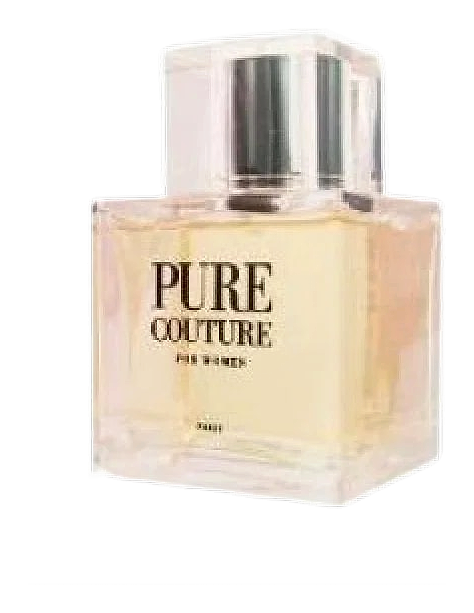
Pure Couture arrived in 2011 as part of Karen Low's expanding catalog of accessible, wear-anywhere scents. No exotic ingredients, no theatrical performance. Just a clean floral-woody-musky structure designed to work, not to wow. The opening presents crisp citrus that feels immediate and bright, while the pepper adds a clean sharpness without heat. Magnolia arrives in the heart to soften the composition, bringing a creamy floral sweetness that never overwhelms. The woody-musky base anchors everything close to the skin, creating a presence that reads as effortless rather than constructed. It's the kind of fragrance that settles into the background of a day, present but never demanding attention.
The note structure here is deliberately straightforward: citrus and pepper open bright, magnolia softens the middle, and a woody-musky base anchors everything close to the skin. Nothing fights for attention. The magnolia heart brings a creamy floral sweetness that doesn't overpower, while the sandalwood and vetiver in the base add just enough warmth to keep it from reading as purely detergent-clean. It's the kind of composition that rewards wearing, not analyzing.
The evolution
The opening hits bright and sparkling. Citrus oil lifts immediately, and the pepper adds a clean sharpness that keeps it from reading as sweet. Magnolia arrives to soften everything, bringing a creamy floral quality to the composition. The heart is where Pure Couture becomes itself: creamy, floral, intimate. The transition to the drydown is gradual, not dramatic. Sandalwood and vetiver settle in, adding a warm, natural quality to the base. The ambergris and musk create a skin-close presence that doesn't project far but lingers quietly throughout the day. There's a quiet persistence to this fragrance that rewards wearing it rather than analyzing it, a composition that unfolds naturally without demanding attention.
Cultural impact
Pure Couture emerged during a period when accessible luxury fragrances were gaining mainstream traction, appealing to consumers who wanted designer quality without the exclusive price point. The floral-woody-musky composition aligned with preferences for light, transparent fragrances that wouldn't overwhelm shared spaces. This approach made sophisticated scents available to a wider demographic, reflecting a broader shift toward fragrance as personal grooming rather than statement accessory.