The Story
Why it exists.
The beginning
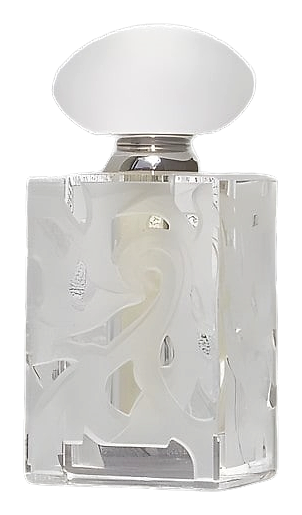
Zohah arrived in 2013 from Junaid Perfumes. The house has built a collection that moves between different fragrance traditions, and this particular release takes a different direction from much of the broader output. A study in simplicity. Three notes. White flowers open the composition with a clean, delicate presence. Violet carries the fragrance forward, its cool and powdery character giving the floral structure a sense of familiarity. Rose settles underneath, offering a subtle warmth without ever tipping into heaviness. The overall effect is composed and feminine, restrained without feeling distant, warm without becoming enveloping. It was released as a perfume oil, offering a close, skin-driven floral experience that reveals itself primarily to those who come near.
What makes Zohah's note structure interesting is the contradiction at its center. White flowers and rose are warm, soft, and familiar. Violet is cool, powdery, and carries a faint edge of something almost medicinal, the same compound that makes violet candies taste the way they do. On paper, these shouldn't be effortless companions. In practice, the violet acts like a seasoning. It keeps the white flowers from reading as heavy, and it keeps the rose from becoming syrupy. The result is a fragrance that feels like a memory of flowers rather than flowers themselves, impressionistic rather than literal.
The evolution
The opening of Zohah begins with a delicate floral presence, white flowers appearing first before the composition fully reveals itself. Violet emerges to take a quiet leading role, its cool, powdery quality giving the scent an almost old-fashioned familiarity, the kind of comfort that violet-scented things have always carried. There is no harsh transition when rose appears, its presence softening the violet's edge just enough that the composition never feels clinical. The three notes settle into a cohesive whole over time, a powdery floral that sits close to the skin and does not venture far beyond intimate proximity. The drydown is where the fragrance becomes most personal. The white flowers recede first, leaving violet and rose in a slow, quiet conversation that continues for several hours on most skin types.
Cultural impact
Zohah stands apart from many regional releases of its era. While some houses focused on oud, amber, and bold oriental construction, this fragrance builds its character almost entirely from florals in a cooler, powdery register. The violet-heavy character gives it qualities more commonly associated with certain Western perfumery traditions, while the white flower and rose grounding provide a different kind of floral complexity. It appeals to wearers who want something quiet and feminine without relying on oriental warmth as a default frame of reference.