
Heritage
A house, in its own words
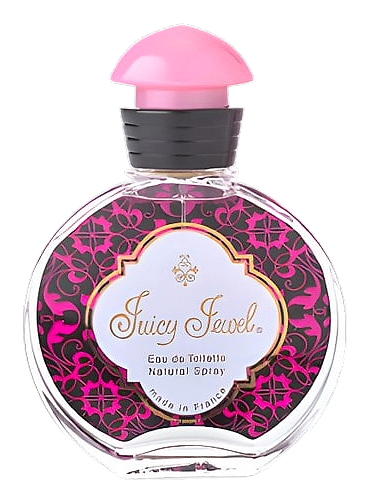
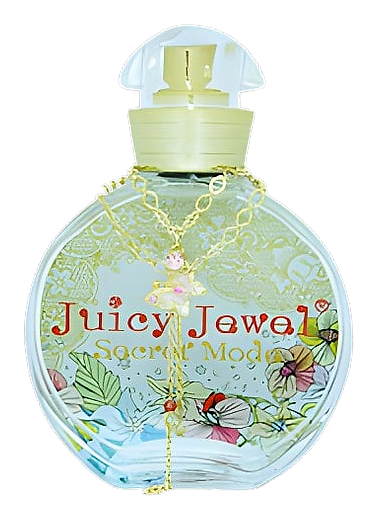
Juliette Has a Gun traces its identity to Romano Ricci, who founded the fragrance business and drew on both his own name and his family history to shape its public image. The official North America website describes Ricci as the great-grandson of Nina Ricci, placing the house within a wider Ricci perfume legacy while giving it a separate creative voice. The brand's founding story combines personal identity, fashion heritage, and literary provocation. Its name, Juliette Has a Gun, adapts the Shakespearean character of Juliette into a contemporary, weapon-bearing heroine, a metaphor the house has used to frame perfume as a seductive personal weapon. Juicy Jewel appeared in 2007, during the early development of the label's named fragrance collection. Other recorded releases include Secret Mode in 2008 and Couture Couture Couture, an eau de parfum, in 2009. These dates come from the supplied database context, while the official website confirms the brand's Romano Ricci origin and its emphasis on fragrances imagined as a collection. The available research does not establish a more precise founding date, a specific first-market launch location, or a complete chronological company history, so those details should not be inferred. Juliette Has a Gun presents fragrance as a character rather than a simple accessory. Its creative language borrows from Shakespeare, transforms literary archetypes through contemporary styling, and gives each release a name intended to suggest a distinct personality. Juicy Jewel follows that approach through its jewel-like title, which evokes brightness, value, and display without requiring a literal reading. The house's official description frames perfume as a weapon of seduction, while independent commentary on the brand identifies a modern, unconventional approach that mixes recognizable fragrance ideas with unexpected turns. This philosophy is reflected in the names chosen for its fragrances, including Juicy Jewel, Secret Mode, and Couture Couture Couture. The supplied research does not provide a formal statement of sourcing, sustainability, or artistic method, so the brand's creative position is best described through its confirmed naming strategy, literary framing, and identity as a perfume house created by Romano Ricci.