The Story
Why it exists.
The beginning
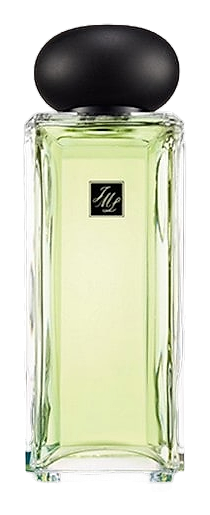
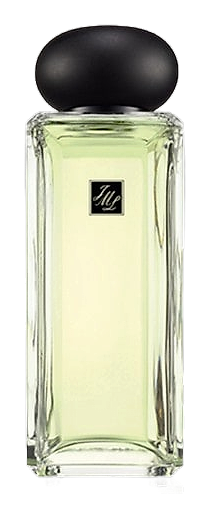
Darjeeling Tea joined Jo Malone London's cologne collection in 2016, composed by Serge Majoullier. The fragrance takes its name from Darjeeling, a place long associated with tea cultivation. The house built the composition around jasmine and freesia, two florals that sit at the heart of the scent, while artemisia threads an herbal backbone through the white floral brightness. Artemisia is the note that does the heavy lifting here, lending a dry, slightly bitter green character that shifts the fragrance away from anything purely pretty. The jasmine arrives with a clean, almost dewy quality, the freesia sharpens it with a cool, almost watery edge, and the artemisia grounds both with something that reads as leaves and stems rather than blossoms.
Artemisia is the note that does the real work in Darjeeling Tea. In a category crowded with straightforward white-floral bouquets, this fragrance uses artemisia to push the composition in a distinctly herbal direction. The note brings a dry, slightly bitter quality that keeps the jasmine from tipping into sweetness and gives the freesia room to read as cool and crisp rather than soapy. The interplay between the three is what gives the scent its quiet tension.
The evolution
The first fifteen minutes are the greenest the fragrance will ever be. Artemisia and freesia hit together, sharp and herbal, almost like crushed stems held under the nose. Then the jasmine blooms. It doesn't take over. Instead it settles into the green, turning the composition from raw botanical to something more rounded and luminous. The white-floral phase runs warm for the next two to three hours, jasmine and freesia trading the lead. By hour four the green recedes entirely. What's left is a soft, soapy white-floral trace that clings to clothes the next morning. Moderate sillage keeps it personal throughout. You smell it, your sweater smells it, the person beside you only catches it on a lean.
Cultural impact
Darjeeling Tea fits naturally into Jo Malone London's collection of scent-inspired compositions, where each fragrance takes a single, evocative concept and builds a small composition around it. The green-floral character of this one, built on artemisia, jasmine, and freesia, gives it a fresh, daytime quality that sits comfortably alongside the lighter offerings in the line. Survey data from wearers shows the fragrance is most popular in spring and summer, with warmer months drawing the highest concentrations of use, a pattern that tracks with its cool, herbal, almost dewy profile.