The Story
Why it exists.
The beginning
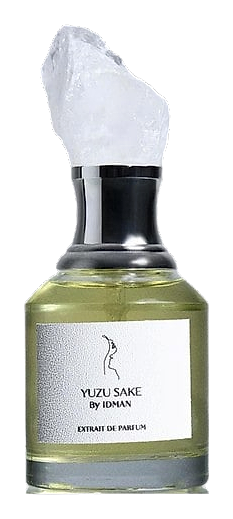
Yuzu Sake arrives with the kind of clarity that rewards a second look. The composition is restrained by design. Yuzu, neroli, and a white wine accord that nods to sake without recreating it. The extraits present a minimalist template: three materials, each given room to breathe, presented in a concentration that rewards patience over projection. The intent reads clear from the name itself. Citrus as ritual. A toast, not a performance. There's nothing hidden behind layers of supporting notes or decorative flourishes. What you smell is what was intended. The opening offers yuzu in its sharpest, most articulate form, a citrus that snaps rather than whispers. Neroli arrives to soften the edges, lending its bitter-orange warmth to the composition.
What makes Yuzu Sake worth noticing is its refusal to elaborate. Yuzu provides the tart, almost metallic snap. Neroli supplies the floral counterweight with its bitter-orange warmth. White wine fills the middle space with something effervescent and slightly fermented, the olfactory ghost of sake on the breath. The extrait format anchors all of it. Concentration buys time, so each note can unfold on its own schedule instead of evaporating into a blur. The three-note structure feels deliberate rather than sparse.
The evolution
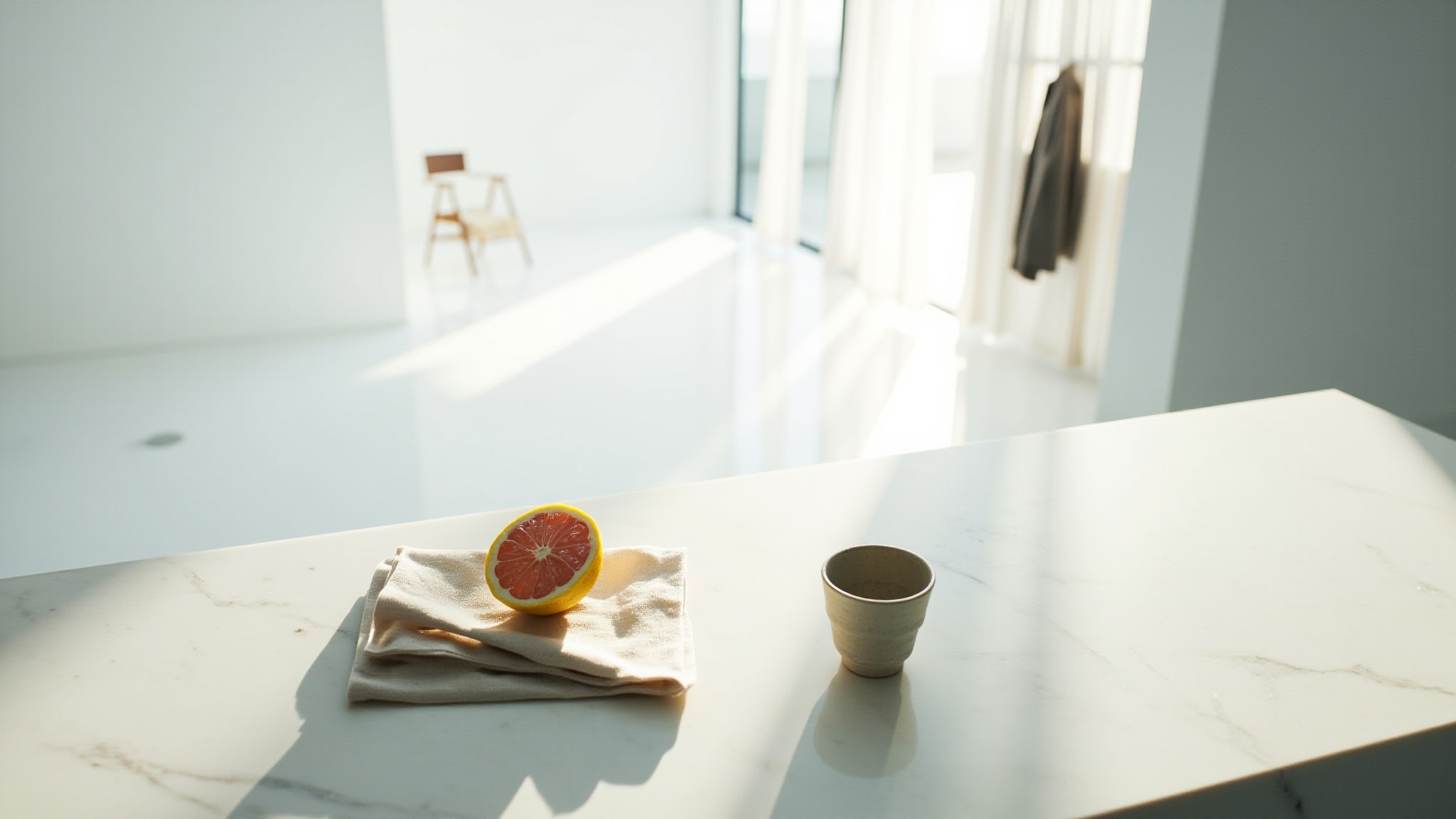
The opening hits quickly, a clean burst of yuzu that smells like someone just scored the rind. Sharp, green, almost peppery. Neroli arrives almost immediately behind it, softening the edges with that orange-flower sweetness that flirts with honey. The white wine accord surfaces soon after, and the composition shifts from citrus-clean to something more atmospheric. There's a momentary sense of standing in a sunlit room where someone just opened a chilled bottle. Over time the trio settles into a quieter register. The yuzu recedes first, leaving neroli's warmth and the wine's dry, slightly boozy softness pressed close to skin. Eventually the citrus becomes a memory, replaced by something intimate. On fabric the next morning it reads as warm neroli and faint white floral, like the residue of an evening rather than the evening itself.
Cultural impact
Yuzu Sake reads as part of a broader shift in contemporary extrait work, where designers treat concentration as a way to extend simplicity rather than amplify complexity. The composition's clarity speaks to an audience tired of compositions that obscure their materials beneath layers of supporting notes. There's a quiet confidence in offering just yuzu, neroli, and white wine and trusting them to carry the entire statement. The fragrance occupies a space where minimalism isn't a limitation but a deliberate choice, where less genuinely means more because each element is given room to articulate fully.