The Story
Why it exists.
The beginning
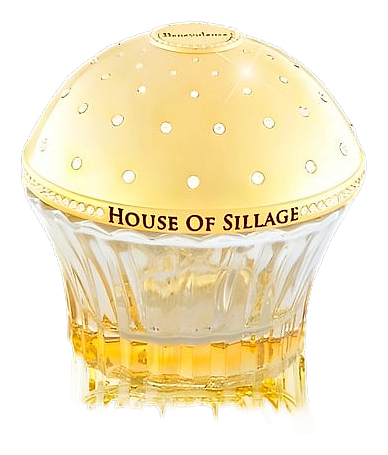
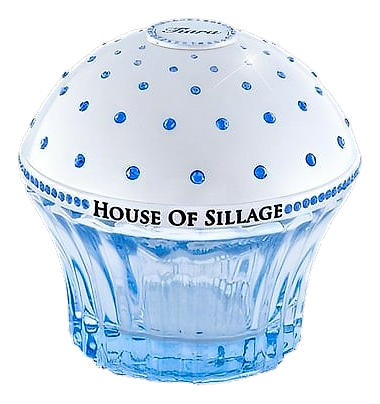
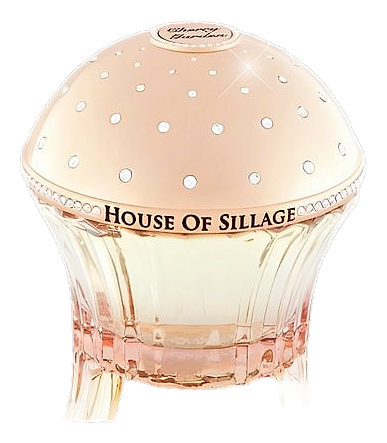
Cherry Garden arrived in 2012 as part of House of Sillage's Signature Collection, a group of fragrances that treated scent as narrative. Mark Buxton, whose work spans several houses, composed this one around the tension between freshness and sweetness. The brief seems to have been simple: a fragrance that could feel luxurious without tipping into overwhelming. The name suggests a place, but the composition suggests a mood, something observed, remembered, worn quietly rather than performed.
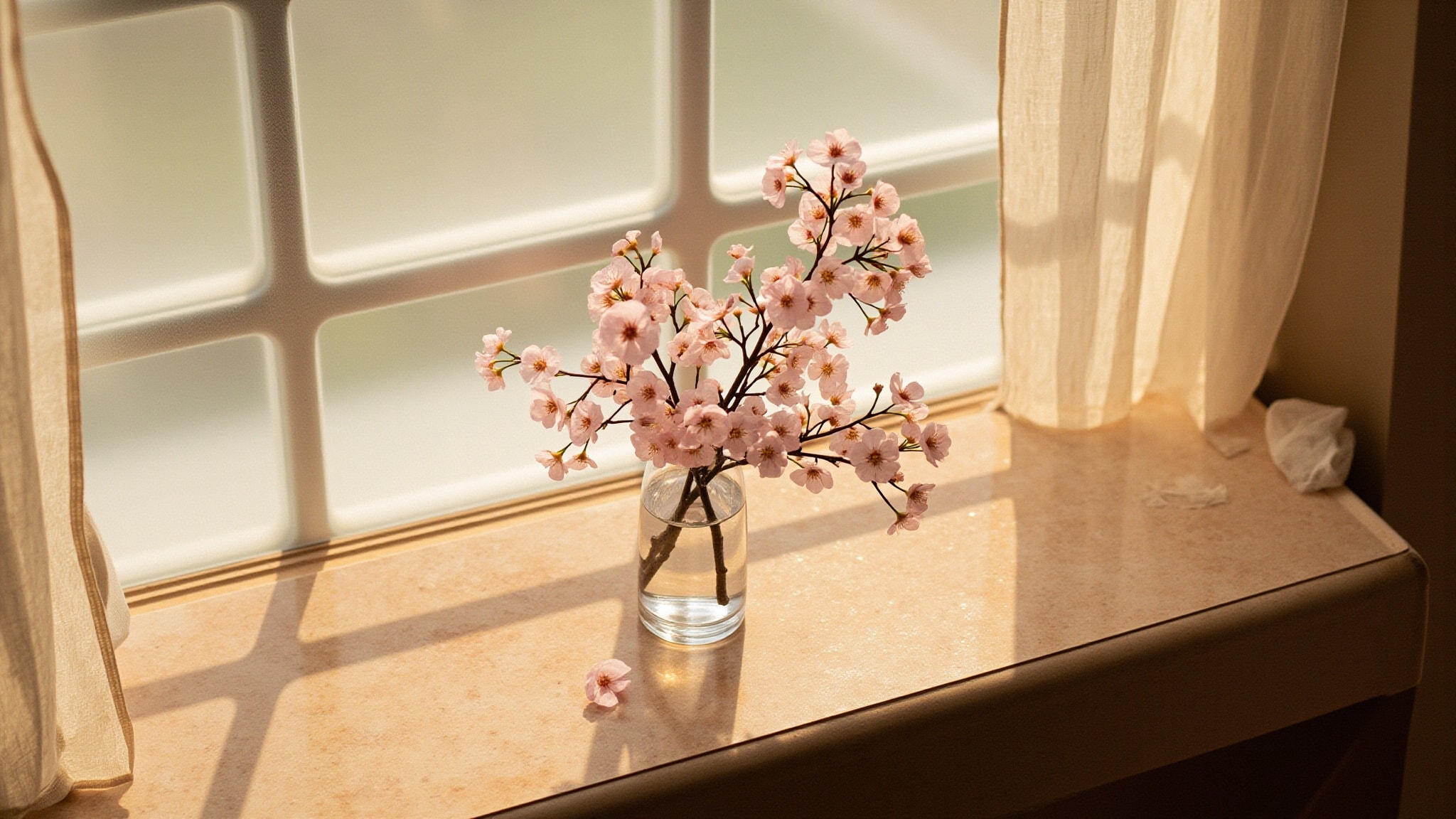
What makes Cherry Garden interesting is the absence of actual cherry. The name promises fruit; the composition delivers floral-almond instead. This isn't a bait-and-switch, it's a deliberate reframing. Cherry blossom (sakura) carries different cultural weight than cherry fruit. It suggests ephemerality, spring, a specific kind of Japanese beauty. Paired with almond and vanilla, it becomes something softer and more complex than a straightforward fruity fragrance would be. The bergamot keeps it grounded in something citrus-bright, preventing the whole composition from becoming too sweet.
The evolution
The opening lasts roughly fifteen minutes, bergamot and something faintly anise-like that disappears before you can pin it down. Then cherry blossom takes over, and for the next two to three hours this is a floral fragrance: soft, slightly powdery, unapologetically feminine. The almond deepens as the florals fade, arriving around hour three. By hour four, you're in vanilla territory, warm, slightly sweet, close to the skin. The sillage stays moderate throughout. You know it's there; the room doesn't. On fabric the next morning, there's a faint trace of vanilla and something almost like marzipan. The longevity holds at six to eight hours depending on skin, with the drydown accounting for the final two.
Cultural impact
Cherry Garden sits in an interesting position: it's accessible enough for someone new to niche fragrance, but composed with enough care that experienced wearers find it worth revisiting. The 2012 launch placed it early in the niche boom, before the market became saturated with similar sweet-floral compositions. It holds its own against fragrances that cost significantly more.