The Story
Why it exists.
The beginning
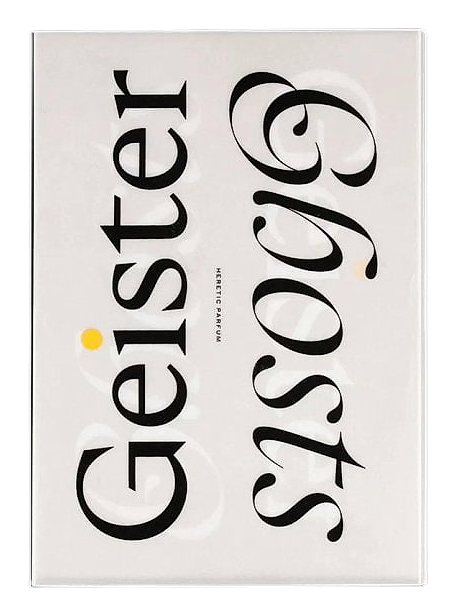
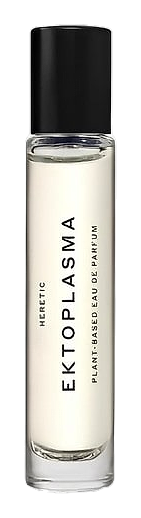
Ektoplasma arrived as a commission from the Kunstmuseum Basel, created for the 2025 exhibition 'Geister' (Ghosts). Five hundred bottles. The composition opens with the sharp, mineral quality of lanolin-rich wool, a storage-dust clarity that feels almost antiseptic before the lotus introduces its floating aquatic nuance. Musk anchors the heart, lending a warm animalic undertone that grows creamier as the ambergris emerges, adding both sweetness and fixative depth that keeps the scent close to the skin. The mate absolute brings a bitter, herbal lift that prevents the composition from becoming too heavy, cutting through the powdery warmth with a green, almost smoky edge.
The accord works because it shouldn't. Wool and lanolin against lotus and mate. Animalic against aquatic. Powdery against mineral. The mate absolute brings a bitter, herbal lift that prevents the composition from becoming too heavy or dense. The ambergris adds both sweetness and fixative power, keeping the scent close rather than projecting. Over time, the dry-down reveals additional layers: the mineral quality softens, allowing the creamy and powdery notes to come forward, while the musk becomes more pronounced in a second phase that feels intimate and close.
The evolution
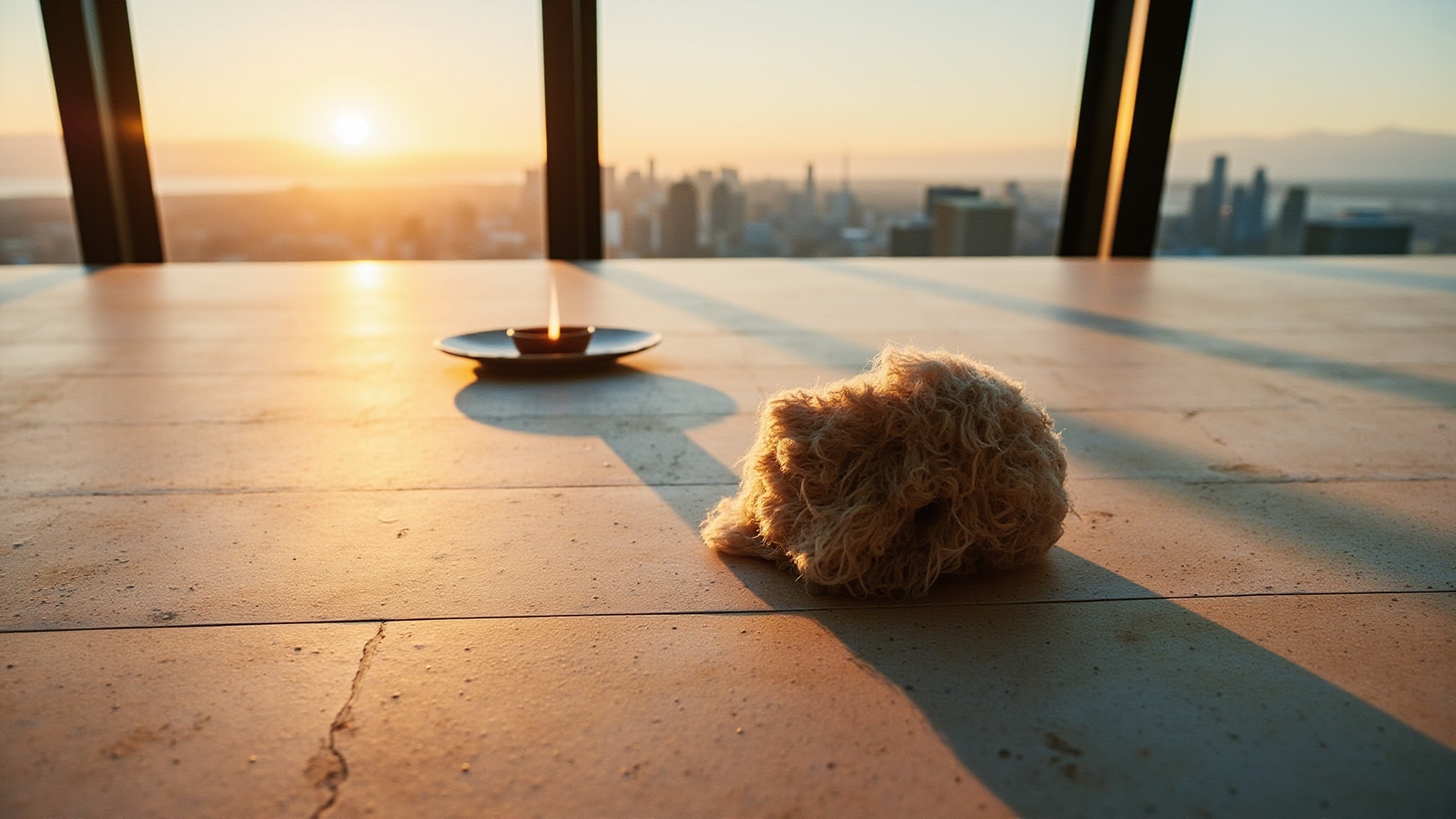
The opening hits cold and sharp. Mineral. The wool reads as storage-dust, almost ozone, before the lotus introduces its floating aquatic quality. Ambergris settles in, then mate, and the composition gets creamier, powdery, animalic in a way that clings to skin like an impression. The mineral edge gradually fades, giving way to warmer musky tones. By the second phase, the coldness recedes. What remains is close, intimate, almost dusty. The sillage stays moderate, projecting softly rather than announcing itself. On clothes, it clings longer than on skin, lingering for hours in a way that feels present rather than absent. The next morning, on unwashed wool, there's something that remains. A whisper.
Cultural impact
Ektoplasma was created as a limited edition for the Kunstmuseum Basel's 'Geister' exhibition, 500 bottles, no more. Understanding it requires that context. It's an olfactory artwork made for those who seek out unusual sensory experiences, designed to be encountered within a specific conversation about materiality and perception.