
The Story
Why it exists.
The beginning
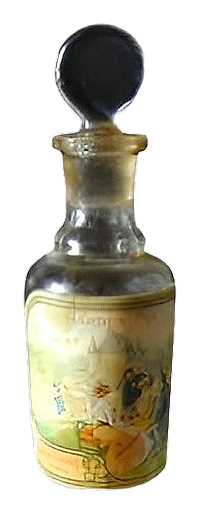
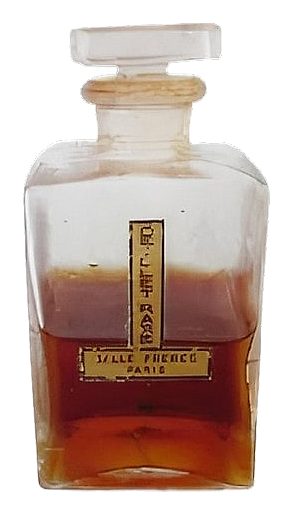
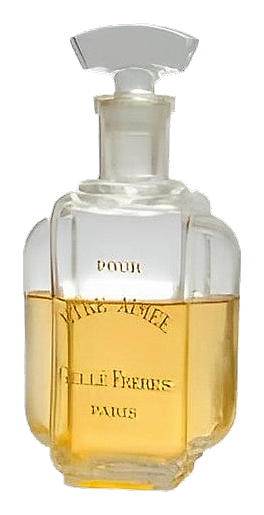
Pour Être Aimée was released by Gellé Frères in 1913. The name means “to be loved,” while the verified record presents it as a women’s scent with a spicy-leathery profile. Leather and woody, resinous, and earthy accords give the fragrance its principal character. That combination creates a clear contrast with the tender implication of its name: affection expressed through a composed, shadowed profile. It feels less like a direct message than a held glance, with spice bringing definition to the darker leather character. The accord structure gives the scent a sense of weight and texture, making it worth examining closely as it opens, settles, and remains close to the skin.
The interesting part is the collision between the name and the material. “To be loved” suggests tenderness, while the verified spicy-leathery profile gives the scent a more restrained and substantial presence. Leather supplies a textured character, and the listed woody, resinous, and earthy accords add further depth. Rather than relying on a simple floral reading, Pour Être Aimée is defined by a profile built around contrast. Its different elements give the composition an atmospheric quality, inviting a closer look at how the spicy and leathery impressions meet.
The evolution
The verified profile of leather and spice establishes the fragrance’s central character from the beginning. Leather provides a textured foundation, while spice adds a sharper impression that gives the composition definition. As the scent develops, the woody, resinous, and earthy accords become more apparent, expanding the profile beyond the initial leather-and-spice contrast. The listed accords also give the drydown a grounded quality without requiring any assumption about how the scent will behave over time. Pour Être Aimée feels most compelling as a study in balance: a tender name paired with a substantial, spicy-leathery profile and a carefully defined accord structure.
Cultural impact
Pour Être Aimée offers a notable contrast between an affectionate name and a spicy-leathery scent profile. The title means “to be loved,” while the verified accords include leather and woody, resinous, and earthy notes. That pairing gives the fragrance a distinct place within the record of women’s scents, presenting affection through a profile with greater weight and texture. Its women’s classification, combined with its dark and composed accord structure, makes it an inviting subject for discovery. The name suggests closeness, while the composition leaves room for mystery, restraint, and a more indirect kind of character.