
The Story
Why it exists.
The beginning
Folle Vanille was created by Frédéric Munoz for Frederic M. The release year is unknown, but the fragrance's identity is clear from its construction: sugar and vanilla sit at the center of a soft, sweet, powdery, balsamic, and spicy composition. The name points directly to vanilla, while the sugar note gives that familiar material a softer, more intimate register. Together, the notes create a sweet composition with contrasting textures and accents. The powdery accord softens the sugar and vanilla, while the balsamic and spicy facets introduce depth and definition. Its character comes from this measured balance rather than sweetness alone.
The unusual part is the restraint. Vanilla could have become a louder, sweeter statement, but this composition places it against sugar and lets the balsamic, powdery, soft, and spicy accords shape the edges. Sugar rounds out the vanilla, while the other accords temper its sweetness with softer and more distinctive dimensions. The result is a composition that can be read through several sensory facets at once: sweet, powdery, balsamic, and gently spicy.
The evolution
Folle Vanille is built around a combination of sugar and vanilla, supported by soft, powdery, balsamic, and spicy accords. Sugar contributes a clear sweetness, while vanilla gives the composition its central identity. The powdery accord adds a soft texture, and the balsamic facet brings a darker, deeper dimension. Spicy notes provide a contrasting accent within the sweet framework. Rather than establishing an opening, heart, and drydown sequence, the fragrance is presented through this combined note structure. Its character lies in the interaction between rounded sugar, familiar vanilla, soft powderiness, balsamic depth, and spice, creating a layered and composed sweet profile.
Cultural impact
Folle Vanille centers its identity on a combination of sugar and vanilla, supported by soft, powdery, balsamic, and spicy accords. The pairing draws attention to vanilla as a versatile fragrance note, while the surrounding facets give the familiar material a more complex expression. Sugar reinforces the composition's sweetness, the powdery accord contributes softness, and the balsamic and spicy notes introduce contrasting dimensions. Together, these elements show how a central note can be shaped through careful composition, balancing recognizable sweetness with texture, depth, and variation.
The House
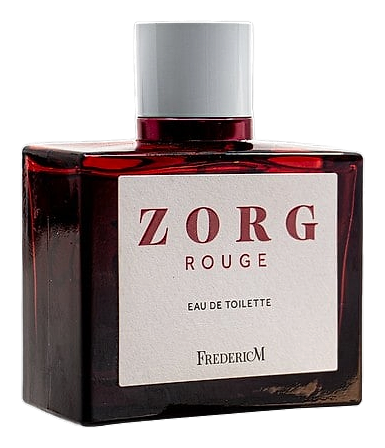
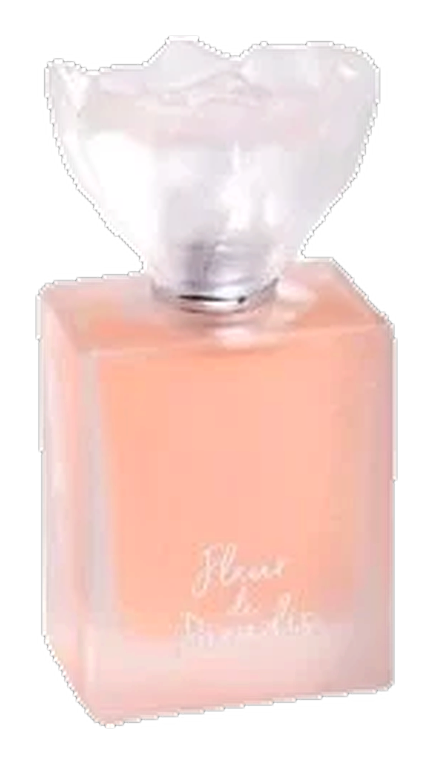
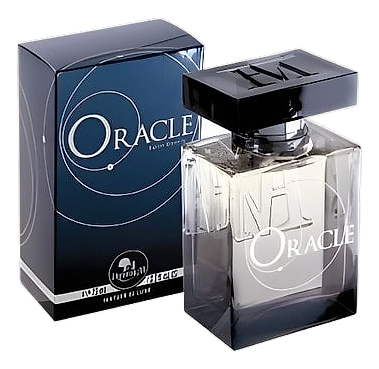
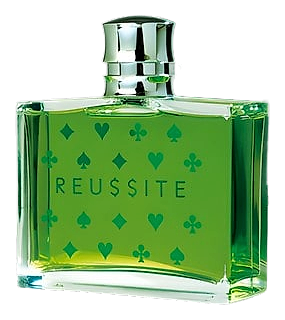
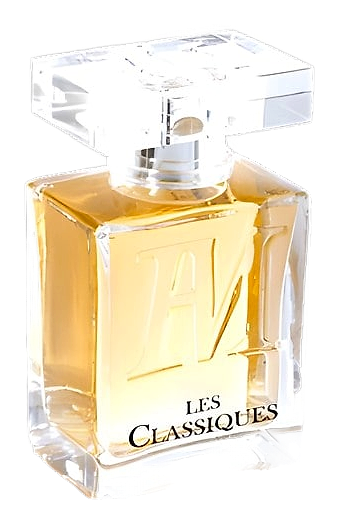
Frederic MFrederic M is a French fragrance and cosmetics house that has been creating products in France since 1983. The brand positions itself around the idea of healthy beauty, using organic ingredients that meet French regulatory standards. Its catalogue includes a modest but distinctive line of perfumes such as Marmara, Fleur De Paradis (2020), Djohao and Rose De Mai, alongside face and body care items and colour cosmetics. Each offering carries a quiet confidence, reflecting a commitment to purity rather than flash. The brand’s French roots are evident in every bottle, label and formulation, giving consumers a sense of continuity with traditional French craftsmanship while embracing contemporary organic trends.
The Creator
Frédéric MunozMunoz favors a minimalist palette, often centering a composition around a single floral or woody note and building subtle supporting layers. He reaches for ingredients that retain clarity: Tunisian jasmine, Moroccan ambergris, and fine vetiver from Haiti appear repeatedly in h…