The Story
Why it exists.
The beginning
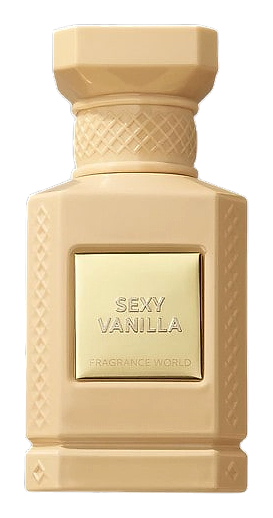
Fragrance World builds from the ground up, no inherited polish, just the kind of confidence that comes from knowing your market inside out. Sexy Vanilla is the house at its most direct: the name says exactly what the bottle delivers. No subtlety required. The 2024 release takes a luxury-note composition and strips away the pretense, keeping only the warmth and the edge that makes it worth wearing.
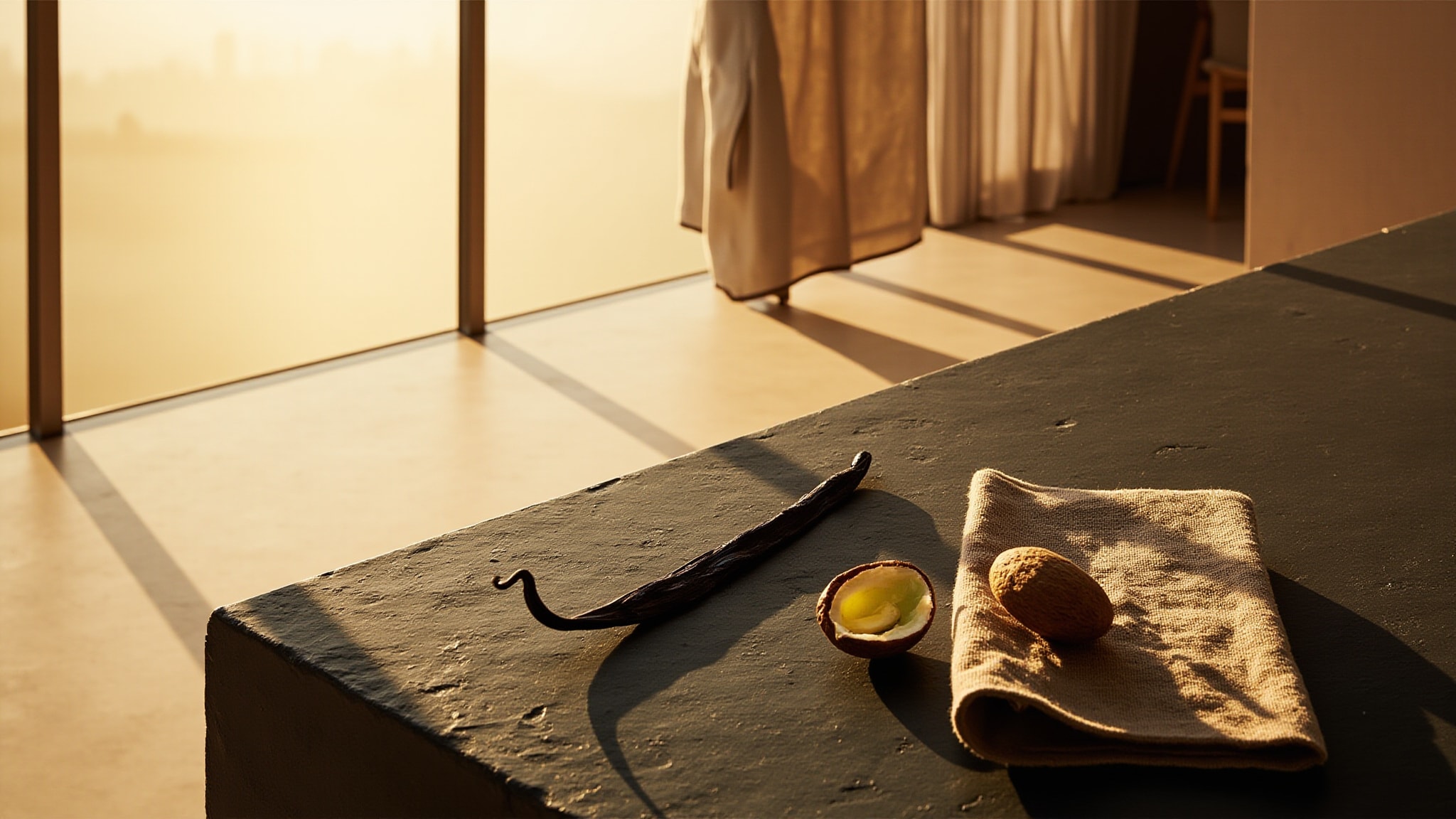
The bitter almond isn't a garnish here, it's the opening statement. Most vanilla fragrances ease you in with sweetness. This one jolts you awake first, then softens into the warmth. That contrast is what makes the heart feel earned rather than inevitable. The vanilla absolute anchors everything, but the florals keep it from reading like a dessert. And the sandalwood-tonka base? That's what turns a pleasant smell into something that stays.
The evolution
The bitter almond doesn't apologize for itself. It arrives sharp, almost medicinal, a jolt of green bitterness that makes the vanilla feel earned when it finally settles in. That's the move here, not a soft landing, but a deliberate contrast. The vanilla and floral heart smooths everything out, wrapping around that initial bite until it becomes part of the warmth rather than fighting it. By the time sandalwood and tonka bean arrive in the base, the fragrance has completed its transformation from interesting opening to comfortable, persistent skin-scent. Eight to ten hours of staying power means you're not reapplying. Some will get the full duration, others closer to six. Either way, it stays close enough that it's yours alone for most of its life.
Cultural impact
Sexy Vanilla arrived in 2024 as part of Fragrance World's growing presence in Western markets, where Gulf-based houses are reshaping expectations around accessible luxury. The brand, founded in 2004 in the UAE, built its reputation on high-quality compositions without European price tags. By releasing Sexy Vanilla with its unconventional bitter almond opening, the fragrance challenged assumptions about Middle Eastern perfumery being purely oud or purely sweet. This marked a shift toward regional houses competing on creativity and nuance rather than just price.