The Story
Why it exists.
The beginning
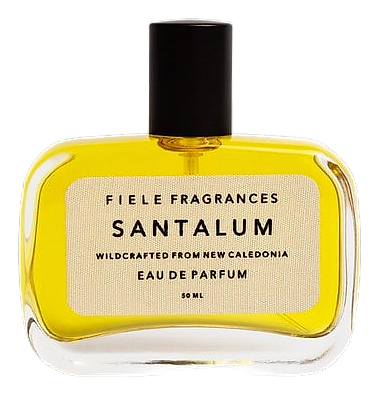
Santalum takes its name from the Latin word for sandalwood, the ingredient around which the entire composition was built. In 2015, Linda Sivrican crafted this fragrance for Fiele Fragrances, a house focused on emotional resonance rather than sheer projection. The brief wasn't to interpret sandalwood abstractly. It was to honor the material: Santalum austrocaledonicum, with its creamy, slightly sweet character that feels almost buttery on the skin. That specificity matters. Sivrican didn't reach for the accessible or the trendy. She chose this particular sandalwood origin and built outward from there, adding jasmine and tobacco and vanilla as supports, not competitors. The jasmine arrives warm and enveloping, wrapping around the wood like a soft afternoon glow.
The pyramid has no weak links. Bergamot opens bright and brief, cutting through the creaminess before coffee and cedar arrive together. Then the heart expands: jasmine sambac absolute alongside vanilla absolute, Bulgarian tobacco and French orris root, each adding a different register of warmth. But the structure's real trick is what happens at the base. Musk, Indian oud, and Indonesian patchouli don't compete with the sandalwood. They frame it, holding the creamy center in place while the drydown deepens over hours into something close, intimate, and lasting. The tonka bean does something unexpected here, it sweetens without softening, keeping the wood honest.
The evolution
The opening hits with Italian bergamot and espresso, bright and bitter at once. The citrus presence fades gradually, giving way to the real opening: sandalwood meeting Indian jasmine sambac. The jasmine is warm here, not indolic, creamy and round against the wood's cream. Coffee stays present, a roasted whisper beneath the florals. Then the vanilla enters. Not loudly. It's the slow arrival of warmth you didn't realize you needed. Bulgarian tobacco adds a dry, slightly sweet edge that keeps the florals from going too soft. The musk is the tell, it deepens everything, pulling the composition into skin-warm territory. This is where it earns the name. Santalum. As the hours pass, the woody elements assert themselves more fully, revealing the full depth of the base. The drydown lasts. On fabric, into the next day, still recognizable, still warm.
Cultural impact
Santalum occupies a quiet corner of the natural perfume revival, alongside compositions like Le Labo Santal 33 (2011), BDK Parfums Gris Charnel (2016), and Diptyque Orphéon Eau de Parfum (2012). The shared register is woody, powdery, and intimate, and Santalum's use of sandalwood invites comparison within that lineage. For wearers who find santal-based fragrances worth exploring, this is a considered addition to that conversation.
