







Heritage
A house, in its own words
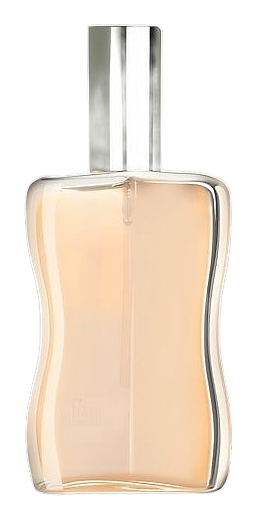
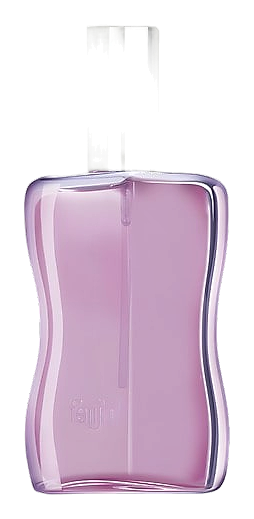
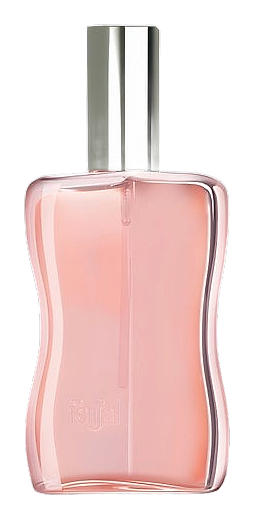
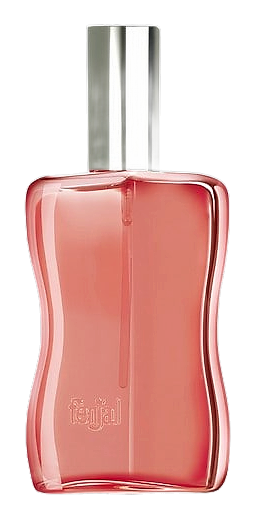
The story of Fenjal begins in Zurich, where a small perfume workshop opened its doors in 1926. Over the next decades the business migrated to the nearby town of Dietlikon, gradually expanding its range of personal care products. In 1962 the enterprise was formally incorporated as part of Doetsch Grether AG, a Swiss conglomerate known for its broad cosmetics portfolio. Doetsch Grether’s archives note that the Fenjal name was created to evoke the gentle, fragrant breezes of the Alpine valleys, a motif that still informs the brand’s narrative. The first fragrance bearing the Fenjal label, Miss Fenjal Classic, appeared in 2010 and was credited to Eduard Altenburger, a perfumer whose earlier work included several niche releases for Swiss houses. The launch was modest, targeting regional boutiques rather than mass‑market chains. Building on that foundation, Fenjal introduced a burst of new scents in 2017—Blossom Edition, Touch Of Purple, Summer Dream, In Love, Velvet Orchid, and Floral Fantasy—all released within a single year. This rapid expansion signaled a shift toward a more experimental approach while retaining the brand’s understated elegance. By 2021 the line added Cote d'Azur, La Provence, and Forever Mine, rounding the collection to thirteen fragrances. Throughout this period, Fenjal maintained a distribution network that now reaches over thirty countries, according to trade data from Conaxess. The brand’s evolution reflects a balance between Swiss precision and a willingness to explore new olfactory territories, positioning Fenjal as a quiet but steady presence in the global perfume landscape. Fenjal’s creative vision rests on the idea that scent should echo everyday moments rather than chase fleeting trends. The house emphasizes authenticity, letting each ingredient speak for itself before it is woven into a composition. This philosophy translates into a commitment to transparency: ingredient lists are published on the brand’s website, and sourcing partners are disclosed whenever possible. Sustainability also guides Fenjal’s decisions. The company prefers suppliers who practice responsible farming, especially for botanicals such as Bulgarian rose and French lavender. When a raw material cannot meet ethical standards, Fenjal opts for a synthetic analogue that matches the natural note without compromising ecological integrity. In the studio, the brand encourages collaboration between perfumers and designers, believing that a fragrance’s story begins as soon as the bottle is sketched. This interdisciplinary mindset fosters a cohesive narrative where scent, visual identity, and tactile experience reinforce each other. Fenjal therefore aims to create perfumes that feel like personal souvenirs—intimate, memorable, and rooted in a sense of place.