The Story
Why it exists.
The beginning
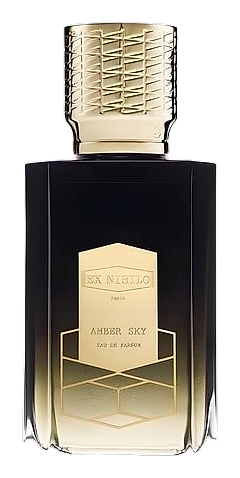
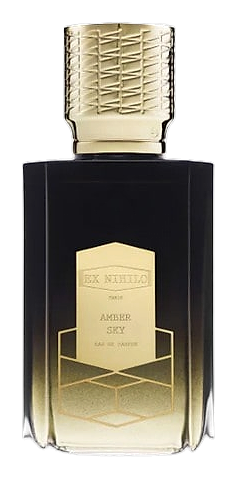
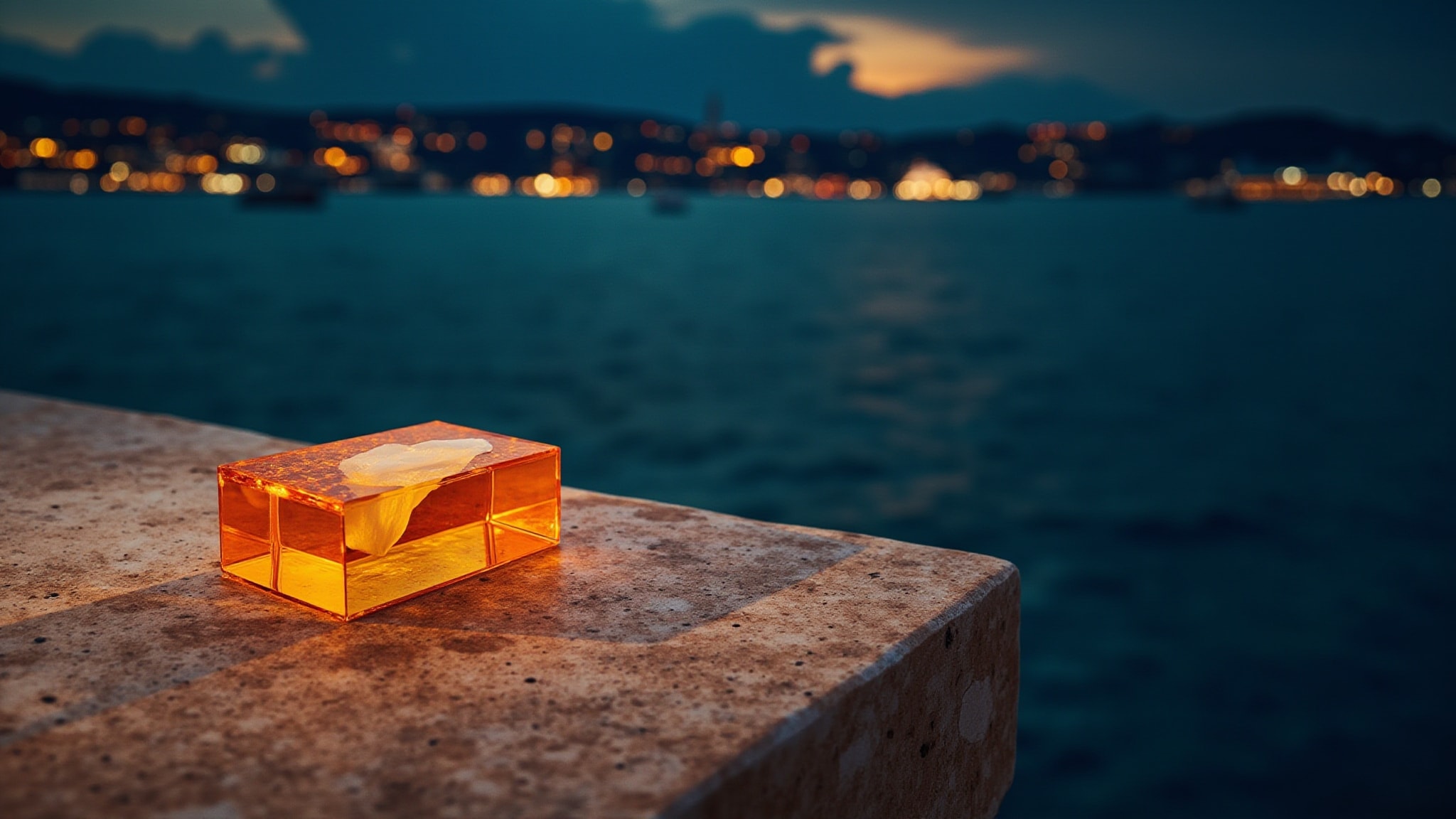
Amber Sky arrived in 2021, and Olivier Pescheux built it around a single idea: what happens when you give May rose a strong amber backbone? The answer is in the official copy, that liminal hour on the Bosphorus, where East surrenders to dusk and two worlds briefly agree on something beautiful. This is Ex Nihilo's contribution to the oriental rose conversation, made for someone who wants the honeyed floral without the fragility.
The structure is what makes it interesting. Cedar and sandalwood don't arrive in the opening, they're the architecture the rose wears. Without them, rose floats. With them, it settles into something warm and resinous that doesn't move for hours. The May rose doesn't perform here. It arrives. And then it stays.
The evolution
The opening is all amber, warm, resinous, the kind that coats the inside of the throat. Rose waits underneath, patient, not hiding but held. The first hour introduces cedar in an unexpected way: dry, slightly medicinal, which makes the rose smell more distinct by contrast. Sandalwood arrives later, creamy, filling the spaces cedar left dry. By the drydown, the amber has softened to something skin-close. That's when the rose finally releases its full honeyed sweetness, late, earned, worth the wait. On fabric two days later: still there, the amber-rose foundation refusing to fully leave.
Cultural impact
Ex Nihilo launched in 2013 as a contemporary Parisian house determined to modernize niche fragrance, positioning itself between heritage houses and indie perfumers. The Signature Rose De Mai, released in 2021, arrived during a period when rose-centric fragrances were experiencing a significant resurgence in the niche market. The use of May rose from Grasse reflects a broader industry trend toward authentic, traceable raw materials, though the fragrance's quick discontinuation placed it in the difficult territory of collector's items. This pattern mirrors what happened with several Ex Nihilo releases that received strong initial attention but failed to maintain shelf space, contributing to the mythology of discontinued niche fragrances as elusive prizes among collectors.