Heritage
A house, in its own words
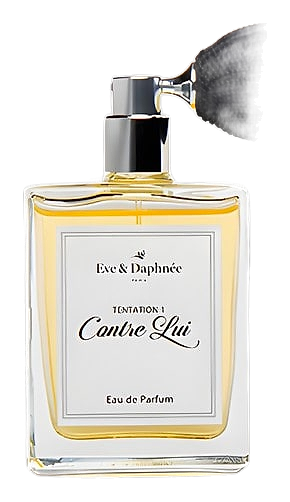
Eve & Daphnée traces its beginnings to the meeting of French perfumer Cheryl Auger and Belgian businesswoman Daphnée de Dorlodot? Their shared interest in fragrance and social responsibility shaped a house built around independent perfumery and carefully sourced natural materials. Independent coverage describes Eve & Daphnée as having roots in the charity economy, with fair trade ingredients forming a central part of its identity rather than a peripheral campaign. The company developed its first fragrance, Tentation 1, during a period when niche perfume was becoming more visible in Europe and the United States. Tentation 1 Contre Lui followed in 2015, establishing a sensual, woody direction for the house. The brand’s history is closely tied to its use of natural materials, including vetiver from Haiti and patchouli? The exact sourcing details of individual accords are not consistently documented in the available material, but third-party profiles consistently emphasize fair trade ingredients and a production model intended to support local communities. Eve & Daphnée later expanded its catalogue through additional releases, including Tentation 2, Tentation 3, and Tentation 4, while maintaining a recognizable visual language based on sculptural bottles and restrained, tactile packaging. Its development illustrates a smaller fragrance house’s path from a founder-led project to an internationally distributed niche brand with a clear ethical position. Eve & Daphnée presents perfumery as an encounter between nature, emotion, and careful craftsmanship. The house’s philosophy is grounded in the idea that fragrance should feel generous rather than merely decorative. Natural materials are selected for their expressive qualities, while fair trade sourcing gives each material a social context. This approach connects scent to the people and landscapes behind its ingredients. The brand’s involvement with charity-led commerce further suggests that commercial success and social impact are intended to coexist. Rather than treating sustainability as a separate label, Eve & Daphnée incorporates it into the sourcing of its raw materials and the structure of the company. Its identity also balances sensuality with restraint. Tentation 1 Contre Lui is marketed around the tension between attraction and resistance, a theme reflected in the title and the house’s broader interest in intimate, character-driven fragrances. The bottle presentation extends the same idea through weight, texture, and sculptural form. This combination of emotional storytelling, botanical materials, and ethical sourcing gives the house a coherent point of view. The philosophy is therefore less about one olfactory signature than about how a fragrance is made, whom it serves, and the relationships it supports along the way.