The Story
Why it exists.
The beginning
Amanda Feeley composed Mermaid's Carnation in 2012, during the early period of Esscentual Alchemy's indie-catalogue build-out. The name is a riddle and a portrait: a flower that doesn't grow underwater, paired with a creature that doesn't grow on land. Feeley seems to have been reaching for that gap between botanical and impossible, the place where scent sits between what a plant does and what memory does to it. Carnation is the lead voice because carnation is one of perfumery's most argumentative flowers, a bloom that smells like itself and like clove and like something peppery and warm simultaneously. Wrapping it in grapefruit, rose, and lavender takes the edge off without sanding it down.
What makes the composition worth a second look is the structural choice underneath the carnation. Peru balsam sits in the middle of the pyramid rather than the base, functioning as a bridge between the spicy floral heart and the sandalwood-rosewood foundation. Most fragrances save resinous balsams for the drydown. Pulling it forward gives the carnation something to lean against from minute one instead of something to wait for. Broom (genet) adds a green-honey note that lifts the whole thing out of the powdery trap carnation sometimes falls into. The pink grapefruit does quiet structural work too. Colognes have trained us to read grapefruit as bright and short.
The evolution
The first 15 minutes are the loudest, and that surprises people. Grapefruit opens with a clean, almost mineral snap. Bergamot and lavender follow, building a short aromatic overture that reads fresh and a little soapy. You might think this is heading toward a traditional fougère. Then the carnation arrives, and the whole composition pivots. Peru balsam and blackcurrant drag the sweetness sideways, away from candy and toward something darker, jam-stained. Rose threads through, but it's a rose with a clove backbone, not a rose you'd put in a vase. By hour two the woody architecture takes over. Palisander rosewood and sandalwood settle in together, turning the composition warmer and quieter without losing the carnation's heat. The balsam that was a bridge earlier now becomes the floor. Broom recedes into a soft, hay-like haze. At the 4-6 hour mark, what's left on skin is mostly sandalwood, a trace of rose, and the ghost of clove-carnation, dry, warm, and unmistakably a skin scent.
Cultural impact
Mermaid's Carnation sits in a strange part of the catalogue. It reads like a floral first, builds like a spiced woody, and behaves like a creature out of water, the mermaid of the title, which makes it appealing to wearers who are tired of having their fragrances categorized for them. It's the kind of indie composition that rewards people who already trust their own nose.
The House
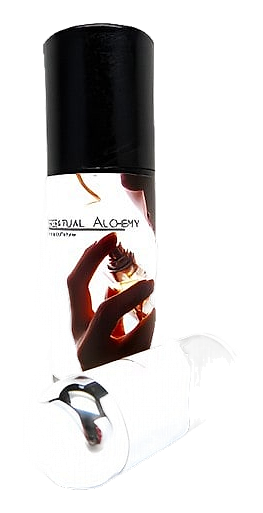
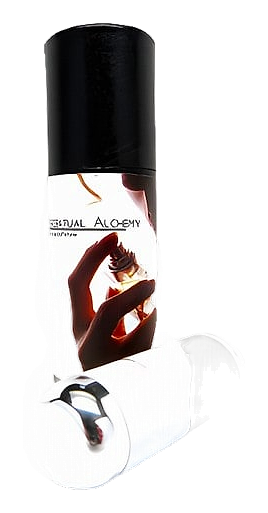
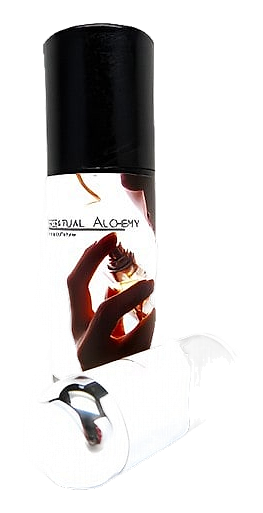
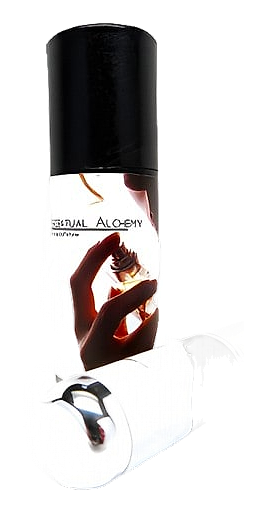
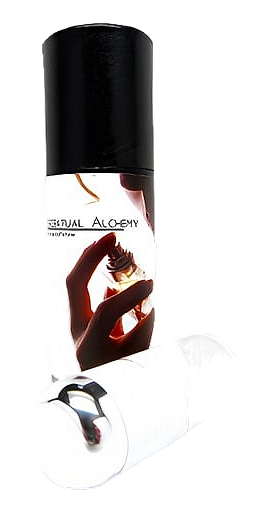
Esscentual AlchemyEsscentual Alchemy crafts small‑batch botanical perfumes that blend natural essences with carefully selected aroma molecules. Since its first releases in 2010, the house has built a catalogue that includes The World (2011), Chocolate Hazelnut Twist (2010), Kama (2010), That 70's Smell (2010), Autumn Spice (2010), Purple Orchid (2010), Pro Fond (2015), Prata Viridi (2010), Dvora (2011) and Poir Indiscrète (2017). Each scent is presented in a minimalist bottle that lets the fragrance speak for itself, inviting wearers to explore memory, place and feeling through scent.
The Creator
Amanda FeeleyAmanda favors a minimalist palette, often starting with a single botanical note and building around it. She prefers absolutes of rose, jasmine, and orange blossom, paired with essential oils of bergamot, cedarwood, and sandalwood.