The Story
Why it exists.
The beginning
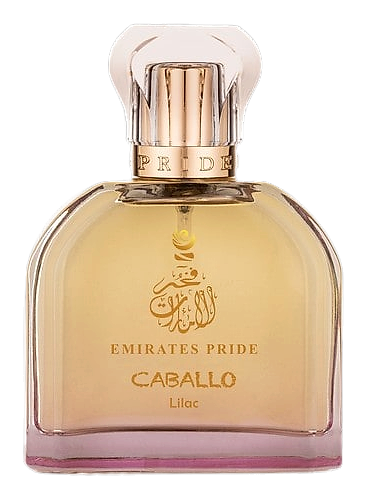
The color lilac carries meaning: romance, innocence, the purity of a first love. The name is a gesture toward a feeling, translated into a scent that moves from gentle opening to something richer, more grounded. It captures the emotional weight of the color itself, translating its associations into olfactory form.
White rose opens the composition, soft, immediate. Mandarin orange follows with a sweet, succulent warmth that feels like honey on the tongue. These two notes create the romantic top half of the fragrance. But the base is oud, Agarwood, a material with musty, woody depth. Its character doesn't compete with the florals. It supports them. The result is a structure where delicate and grounded elements coexist, each enhancing the other.
The evolution
White rose arrives first. Soft. There one moment, gentler the next. Mandarin orange follows, sweet, honeyed. The florals begin to recede. Not disappear. Recede. Then oud. Close, warm, musty-woody. It anchors everything that came before and makes it feel personal now. The oud remains, intimate, skin-close. It becomes the dominant presence, wrapping the wearer in its depth. As time passes, the rose softens while the mandarin settles into a gentle sweetness.
Cultural impact
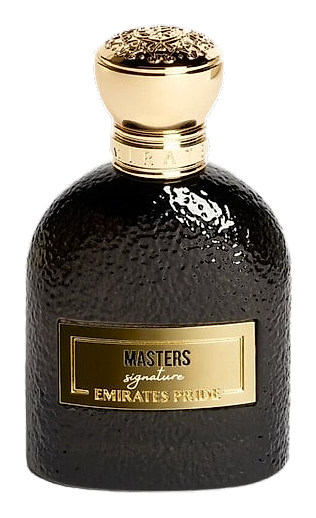
Lilac occupies an interesting position within the Gulf fragrance landscape, where rose-based compositions have long held prominence. Emirates Pride Perfumes chose to name this fragrance after the flower rather than include the note itself. This approach reflects an intentional focus on the emotional and symbolic resonance of the scent. The naming invites wearers to connect with the idea of lilac, its associations and atmosphere, rather than expecting a literal floral reproduction.