The Story
Why it exists.
The beginning
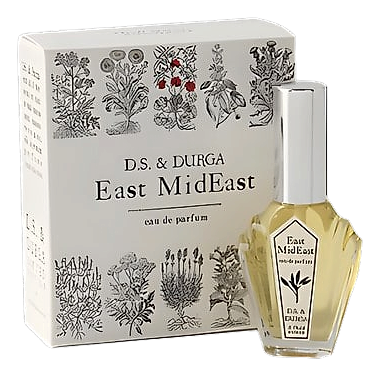
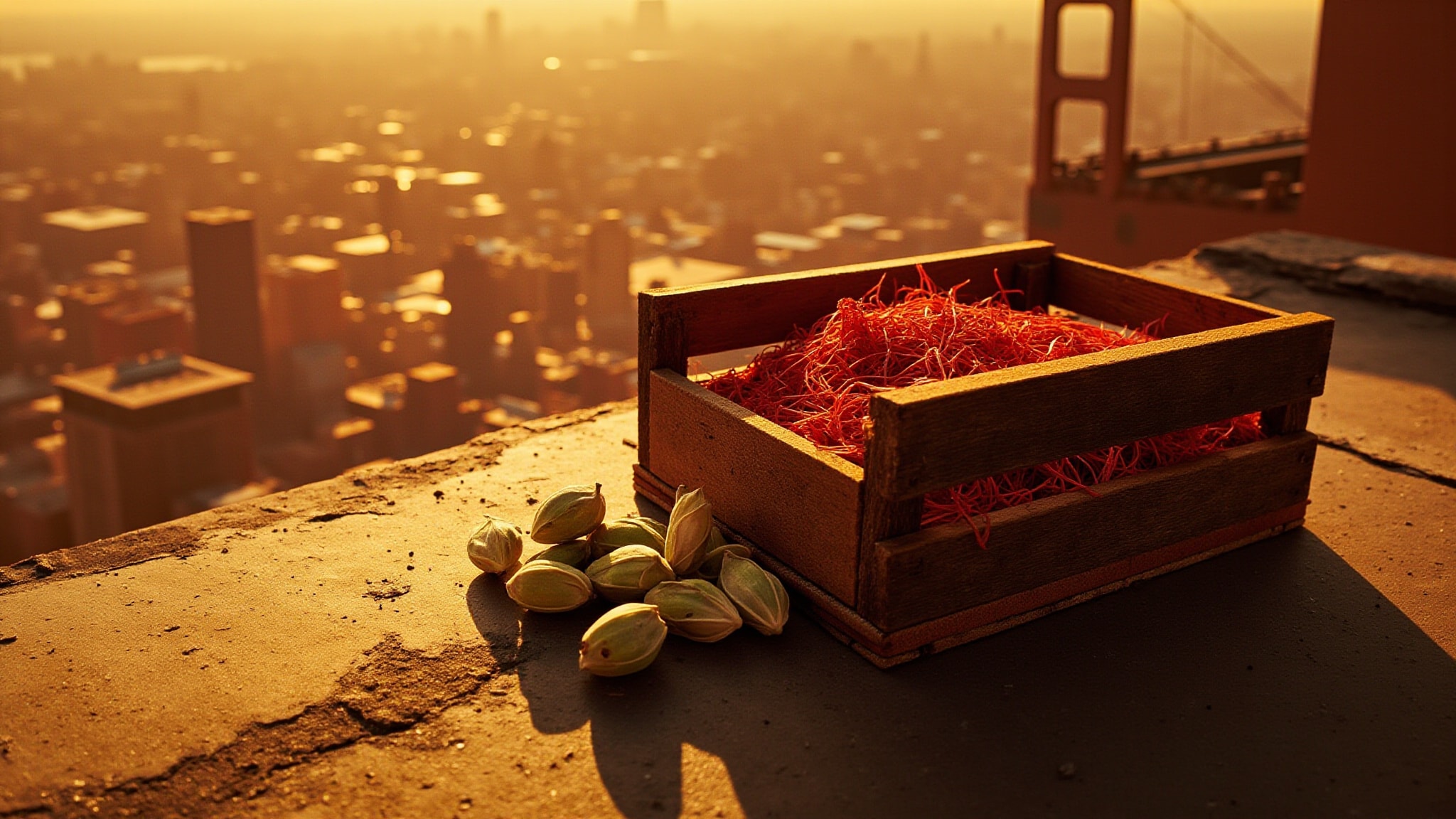
East Mid East arrived in 2009 as part of an Anthropologie collaboration, a limited-edition fragrance from a Brooklyn house. The name itself points somewhere specific: not the Far East, not the Middle East, but the territory between them. The trade routes. The overland paths where cardamom and saffron moved alongside silks and stories. The blend draws from a corridor the perfume world rarely visits intact, weaving together warm spice and floral depth into something that feels both ancient and elusive. What emerged was a fragrance with an unusual point of view, one that looked toward routes and exchanges that shaped how aromatics traveled across cultures.
What makes this work is the tension Moltz creates between the spice and the rose. Saffron is inherently metallic, slightly animal, it doesn't want to share space. Cardamom pushes warmth into medicinal territory. And yet the Russian rose anchors everything, giving the composition a floral heart that could have gotten lost but instead acts as the thread that holds the whole thing together. Mandarin orange in the opening is a brief gift, a flash of brightness before the heavier materials settle in. It's a small bottle (18ml, discontinued) that punches well above its weight class.
The evolution
The opening hits sharp. Saffron and cardamom arrive together, that metallic-spice quality immediate and assertive. It's almost challenging, not aggressive, but definitely not polite. The mandarin orange tries to soften the landing but it's fighting against some serious weight. The citrus brightness flashes briefly before the heavier materials take precedence, creating a brief moment of light before the composition deepens. Then the rose takes over. Not a gentle, powdery rose, but a Russian rose, the kind with a slight greenness to it, a stem-and-thorn quality that keeps the sweetness honest. This is the heart of what makes East Mid East worth hunting. The rose doesn't rush, it arrives and settles, taking its time to unfurl fully. There's an assertiveness to this floral heart that refuses to disappear into the background. The drydown is where it gets intimate.
Cultural impact
East Mid East sits in an interesting position, a 2009 Anthropologie collaboration from a Brooklyn indie house that most fragrance enthusiasts hadn't heard of yet. By the time DS&Durga gained the cult following they now enjoy, this one had already slipped away. It's become a collector's item not through hype but through absence. Wearers who found it tend to speak about it with a specific kind of regret, the feeling that comes from discovering something remarkable only after it's gone. The composition itself occupies a particular territory, drawing from trade routes and cultural exchanges that shaped how aromatics moved across regions.