The Story
Why it exists.
The beginning
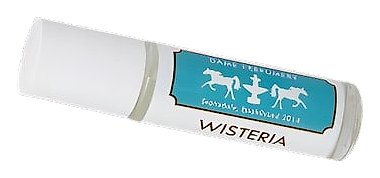
Jeffrey Dame built the Soliflore line on a simple premise: what happens when a perfumer strips everything away except one flower? Wisteria, with its cascading purple clusters and unmistakable sweetness, became the subject in 2016. Not a supporting player in a larger composition. The whole thing. The name says it all, Soliflore, meaning one flower. Dame wanted to bottle the experience of standing beneath a wisteria arbor, the way the scent moves with the breeze, shifts with the light, exists in time rather than sitting static on skin.
The challenge with wisteria is that it doesn't yield to extraction. There's no wisteria absolute sitting in a perfumer's organ. What Dame Perfumery works with are the aromatic molecules that reconstruct that particular sweetness, the slightly grape-like quality, the powdery softness, the green undertone from stems and leaves. Building an entire fragrance around one flower means every gram of that reconstruction matters. The green freshness you smell in the opening? That's the botanical telling you something. The way the sweetness deepens in the heart? That's the flower doing what flowers do, insisting on being noticed.
The evolution
The opening arrives soft and immediate, wisteria's signature sweetness, that almost grape-like quality that makes the note so recognizable. A green facet cuts through almost instantly, the stem, the living plant. Not green in a sharp way. More like the smell of cutting garden stems in a quiet room. Within minutes the fragrance settles into its middle phase, translucent, still, the feeling of flowers suspended in air. The sweetness doesn't build so much as it deepens, becoming more intimate, more present. This is where the soliflore concept becomes clear: there's no top changing into a different heart. Just the same note, evolving. The drydown lasts and lasts, quiet, close to skin, the kind of presence you smell on your wrist hours later and think about for a minute before reaching for it again.
Cultural impact
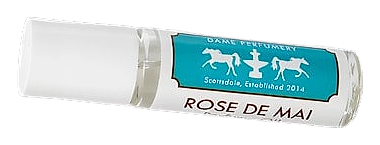
Soliflore Wisteria arrived in 2016 within a broader niche perfumery movement toward single-material compositions, challenging the conventional perfume structure of top, heart, and base notes. Dame Perfumery's Soliflore collection, beginning with Rose De Mai in 2015, positioned botanical accuracy over complexity. Wisteria presents a particular challenge in perfumery since the flower does not yield to traditional extraction methods, requiring reconstruction through aromatic molecules that capture its sweet, grape-like blooms and green stem qualities. This technical constraint made wisteria a statement piece in the soliflore philosophy, demonstrating that a single botanical could sustain an entire fragrance without supporting notes.