
The Story
Why it exists.
The beginning
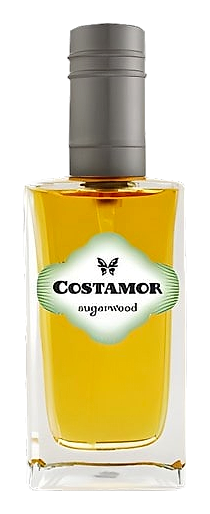
Sugarwood came from wanting to bottle something specific: the sweetness of American warmth without the usual ingredients doing all the work. Sugar cane isn't a common perfume material, it tends to read as green, almost agricultural when it's fresh. That was the idea. Capture sugar without caramel, without honey, without anything that telegraphs 'gourmand.' Let the warmth come from the wood instead. The name came first, the way Costamor's naming strategy tends to work, mood boards over ingredient lists. Sugarwood. The word itself suggests something warm and sweet, but with the texture of a forest floor underneath. That tension is where the fragrance lives.
The note structure here does something interesting: sugar cane doesn't just sit in the top notes and disappear. It carries through, especially when fig joins it. Fig has a watery, slightly lactonic quality, that milky sweetness inside the fruit, and paired with sugar cane it creates a sweetness that feels agricultural and fresh rather than dessert-like. The floral heart (jasmine, peony, iris) isn't doing heavy lifting. It's there to soften the edges, to make the woods feel wearable rather than sharp. What results is a composition that stays warm and close without ever becoming heavy. That balance, sweet but not cloying, woody but not sharp, is harder to achieve than it sounds.
The evolution
The opening hits with bergamot's citrus brightness first, then sugar cane cuts in with that green freshness. Within 5-10 minutes the fig arrives, tempering the sweetness slightly with its fruit-and-milk quality. The hand-off to the heart is smooth, jasmine and peony arrive without fanfare, adding a soft floral sweetness that rounds everything out. The iris shows up in the heart's second half, bringing a dusty, slightly earthy quality that keeps the florals from smelling too pretty. By hour two, the cedarwood is establishing itself, and the drydown is where Sugarwood becomes its most interesting self. Vanilla and musk layer over cedar and iris, creating a warm powder that lingers close to the skin. The sugar cane never fully disappears, it sits underneath, a quiet reminder of where the fragrance started. Lasts 4-6 hours with moderate sillage that stays close rather than projecting.
Cultural impact
Sugarwood arrived in 2009, a moment when independent American perfumers were building audiences through niche boutiques and online communities. The debut collection positioned itself as an accessible entry point, warm, sweet, and approachable without avant-garde complexity. For wearers discovering indie fragrances for the first time, Sugarwood offered something recognizable (sweet, woody, floral) with enough unexpected notes (sugar cane) to feel distinctive.