The Story
Why it exists.
The beginning
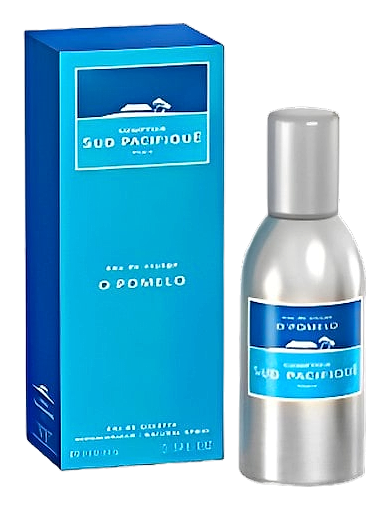
Comptoir Sud Pacifique built its identity on vanilla and tropical escapism, but O Pomelo took a different direction. Launched in 1978 as part of the house's Sun Waters series, this fragrance was designed to translate the immediate pleasure of bright citrus into something wearable. The series explored sun-drenched fruits as an olfactory concept, not the abstract citrus accords found in mainstream fragrances, but the specific sensation of biting into a ripe, cold grapefruit on a warm morning. Pamplemousse was its original name, later rebranded to O Pomelo, but the composition remained the same: grapefruit as the entire personality, white musk as its quiet exit strategy. It was discontinued years ago, but the grapefruit note itself has kept it in conversation.
Two notes. That's it. Grapefruit and white musk, with no intervening heart, no layered drydown, no tricks. This is a fragrance built on a single idea executed cleanly. The grapefruit doesn't try to become something else, it arrives vivid, sits exactly where it is, and fades without apology. White musk functions not as a base but as a skin-softening buffer, making the citrus feel worn rather than applied. The lack of complexity isn't a limitation; it's the point. In an era when citrus fragrances often served as mere top-note window dressing for heavier compositions, O Pomelo committed fully to the form.
The evolution
The opening arrives in seconds, grapefruit zest with the bitter-sweet edge of the membrane still intact, no sweetness added to mask it. Within minutes the white musk enters, not as a foundation but as a softening agent, wrapping the citrus in clean skin warmth. The transition isn't dramatic; the grapefruit doesn't disappear so much as it becomes quieter, as if someone turned down the volume on a speaker. What remains after an hour is a faint citrus-tinted skin warmth, the ghost of the opening rather than a new chapter. The next day, nothing lingers on fabric. This is a fragrance that lives entirely in the moment of wearing it, then leaves no trace.
Cultural impact
O Pomelo occupied a specific niche: a citrus fragrance that didn't pretend to be anything other than what it was. Released in 1978 as part of Comptoir Sud Pacifique's Sun Waters series, it arrived during a period when bright citrus notes typically served as top-note decoration for heavier compositions. This one didn't. The house may be best known for Vanille Mokha and its gourmand catalog, but O Pomelo attracted a different wearer, someone who wanted the citrus, the sunlight, and nothing else. It's been discontinued, which has only sharpened its reputation among those who remember it.